…
World
Iran: US strikes bridges in Hormozgan, at least 7 killed during night of July 16-17
Herz — World Desk · · 30s summary · 4 min read
The essentials
During the night of July 16-17, 2026, the United States expanded its air strike campaign against Iran by targeting bridges in the southern Hormozgan Province, including Bandar Khamir, a coastal city on the Strait of Hormuz. At least 7 people were killed according to Iranian state television, bringing the cumulative toll to over 35 dead and more than 300 wounded. In retaliation, Iran launched a barrage of missiles at Qatar, following earlier strikes on Bahrain and Kuwait. The interim ceasefire concluded the previous month has collapsed.
- Hormozgan bridges struck night of July 16-17, 2026; at least 7 dead
- Cumulative death toll from US airstrikes: over 35 dead and 300+ wounded
- Iran retaliates with missiles on Qatar, after targeting Bahrain and Kuwait
- Strait of Hormuz shipping traffic down roughly one-quarter in early July 2026
- Interim ceasefire collapsed after days of mutual retaliation
What we know
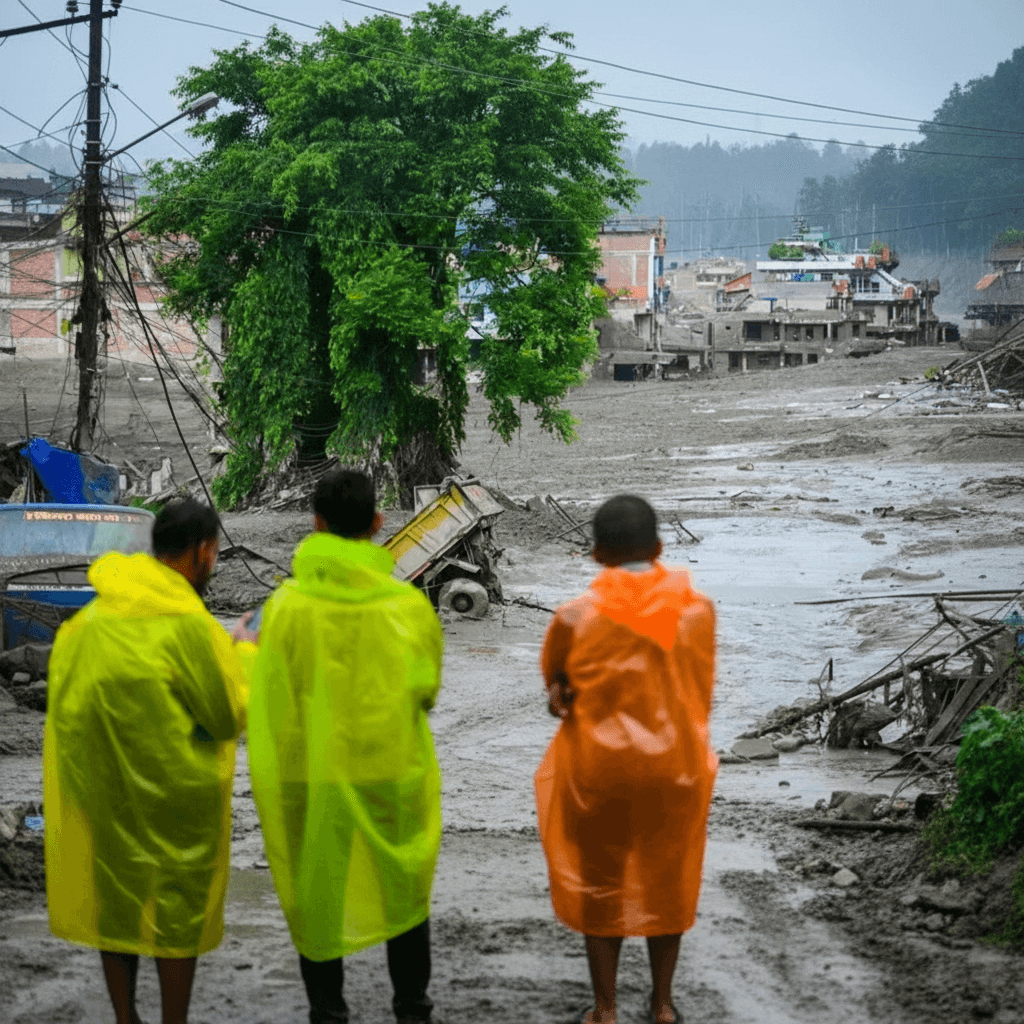
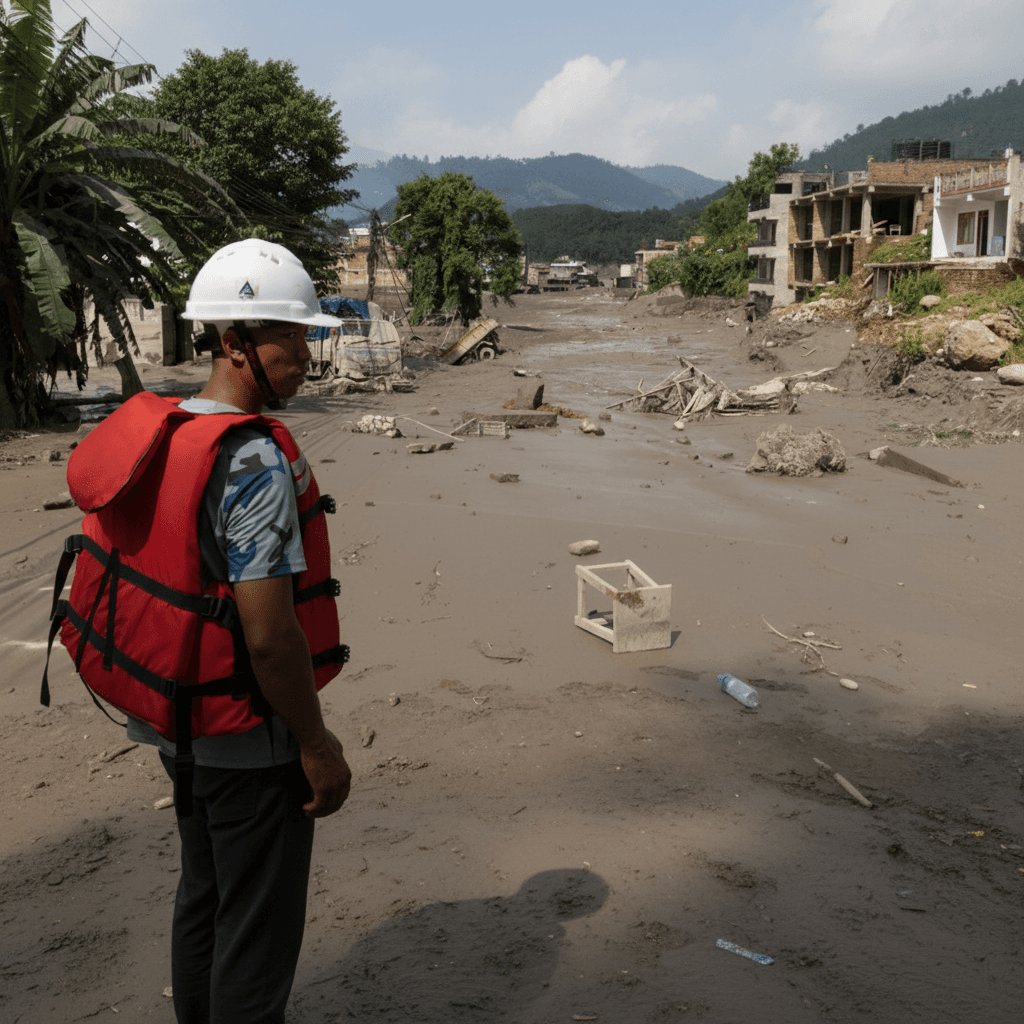
During the night of July 16-17, 2026, the United States expanded its air strike campaign against Iran by targeting bridges in Hormozgan Province — one of Iran's thirty-one provinces, located in the country's south on the Persian Gulf — according to Iranian state television. At least 7 people were killed, notably in Bandar Khamir, a coastal city on the Strait of Hormuz.
The day before, July 16, 2026, American strikes also targeted the surroundings of Tehran and Semnan Province, which houses Iran's ballistic missile production and space program.
The cumulative death toll stands at over 35 dead and more than 300 wounded, with additional casualties reported during the July 17, 2026 strikes, according to Iranian authorities.
7+
Deaths in Hormozgan strikes (night of July 16-17, 2026)
35+
Cumulative deaths since start of US airstrikes per Iranian authorities
300+
Cumulative wounded per Iranian authorities
Regional escalation: Qatar, Bahrain and Kuwait targeted
In retaliation, Iran launched a barrage of missiles at Qatar. Qatari authorities ordered the population to take shelter; explosions were heard as air defenses conducted interception.
Iran had previously targeted Bahrain and Kuwait in response to initial American strikes on Iranian bridges.
The interim ceasefire concluded the previous month has collapsed. The region has endured days of mutual retaliatory attacks between the United States and Iran over control of the Strait of Hormuz.
Conflict timeline
- February 28, 2026The United States and Israel launch war against Iran. Tehran closes the Strait of Hormuz to commercial maritime traffic, sending oil prices soaring.
- June 2026An interim ceasefire is concluded between the parties.
Topics
Related articles

Latest articles

Comments
No comments yet. Be the first to react.