…
Climate
France temporarily eases Comté grazing rules as drought dries out pastures
Herz — Climate Desk · · 30s summary · 3 min read
The essentials
France has temporarily eased grazing rules for Comté, Beaufort and Abondance as drought leaves pastures unable to provide enough feed. Producers may now supplement their cows’ diets with more fodder and grain from other regions. Drought affected 95% of metropolitan France in July, while permanent grassland growth measured on August 10 was one-third below the 1989–2018 average. Further exemptions are expected for other protected cheeses. The drought is also reducing milk and cheese production, while France’s potato growers forecast a 23% drop in this year’s harvest.
- Temporary exemptions apply to Comté, Beaufort and Abondance
- More fodder and grain from other regions may be used
- Drought affected 95% of metropolitan France in July
- Further exemptions are expected for several protected cheeses
What we know
The French government announced on Wednesday that grazing rules for Comté would be temporarily eased, while Beaufort and Abondance would also receive temporary exemptions because drought has damaged pastures, The Guardian reported.
Producers may now supplement their cows’ diets with more fodder and grain sourced from other regions.
All three cheeses have protected designation of origin status, known in English as PDO. The European quality label protects product names and sets rules covering matters such as where animals graze and what they eat.
Drought leaves pastures dry
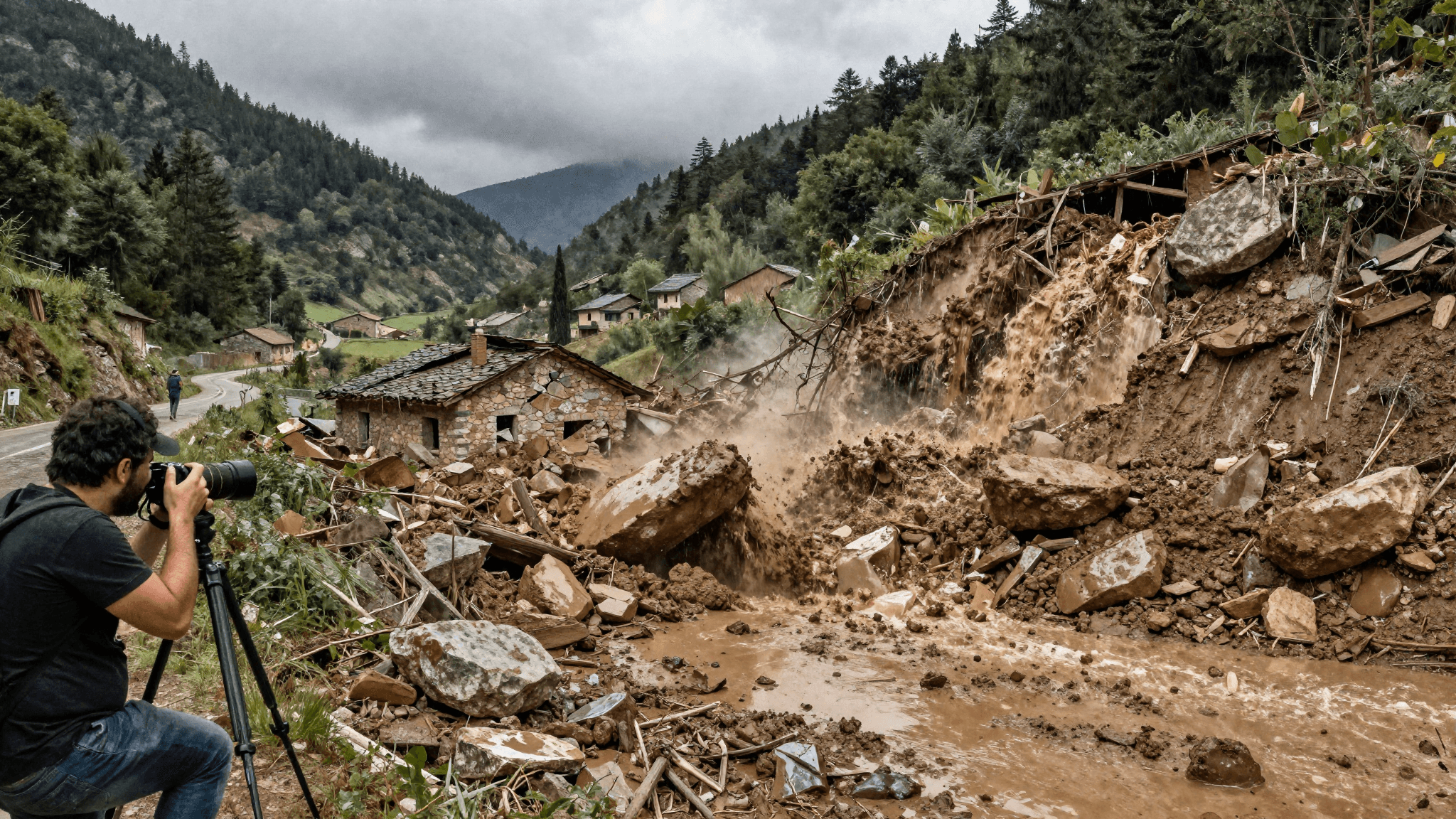
Drought affected 95% of metropolitan France in July, turning normally green pastures dry, yellow and bare.
Permanent grassland growth measured on August 10 was one-third below the average recorded between 1989 and 2018, according to the French Agriculture Ministry’s statistical service.
Earlier this month, the ministry described the fodder situation as “severely degraded” in almost every region.
Other cheeses may receive exemptions
France’s National Institute of Origin and Quality, the public body responsible for official origin and quality labels, plans to grant further temporary exemptions.
They are expected to cover Reblochon, Cantal, Bleu d’Auvergne and Fourme d’Ambert. The institute described the drought as “historic.”
Roquefort producers have also requested a temporary relaxation of traditional rules governing sheep grazing after many pastures dried out.
Around 70% of Salers producers stopped production during the summer because of the drought, according to the local newspaper La Montagne.
Milk production falls in Normandy
In Richemont, Normandy, dairy farmer and Neufchâtel producer Hubert Genty said the grass was completely scorched and had no nutritional value.
His cows are producing less milk, which is expected to reduce cheese output.
Angélique Genty now makes 400 to 450 Neufchâtel cheeses a day, compared with the usual 600 to 700 at this time of year.
She attributed the decline to lower milk production and said it was compromising her ability to meet demand.
Comté’s place in French cheesemaking
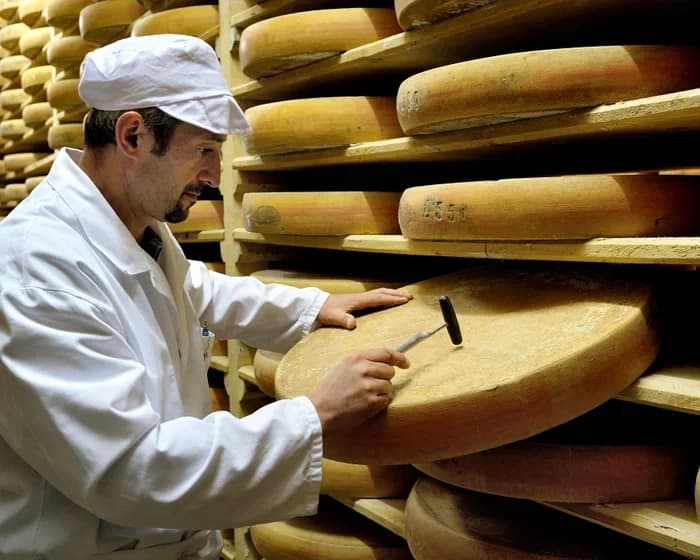
Comté is a hard, raw cow’s-milk cheese produced in the Jura mountains.
It is France’s best-selling traditional cheese. More than 62,000 tonnes were produced last year.
Potato crops are also affected
France’s National Union of Potato Producers, the country’s main trade body for the sector, forecasts a 23% decline in this year’s harvest.
The forecast follows five consecutive heatwaves and an exceptional lack of water.
Farmers in Hauts-de-France report that potato tubers are much smaller than usual.
Topics
Source
Related articles



Latest articles


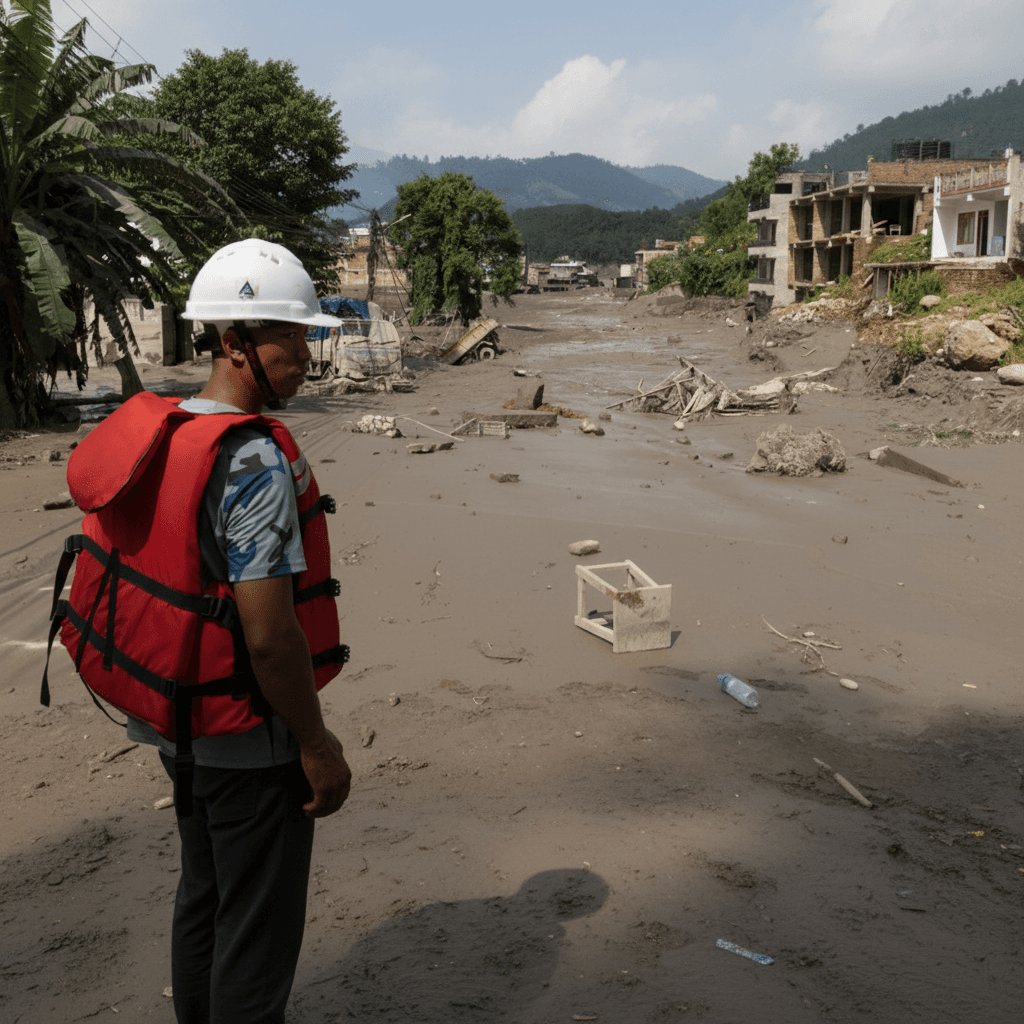
The illustrations in this article are generated by artificial intelligence.
Comments
No comments yet. Be the first to react.