…
Climate
German government meets in Neuhardenberg for two days to prepare reform drive
Herz — Climate Desk · · 30s summary · 3 min read
The essentials
Germany’s federal government is holding a two-day retreat at Neuhardenberg Palace after the summer recess, with three ministerial posts under new leadership. According to Handelsblatt, talks will focus on economic competitiveness and the consequences of the heatwave and drought. Chancellor Friedrich Merz wants the CDU-SPD government to implement the reform package adopted before the recess without delay. Disagreements remain over plans affecting pensions after 45 years of contributions and an SPD proposal to strengthen climate protection through an amendment to Germany’s Basic Law.
- Two days of talks are being held at Neuhardenberg Palace
- Economic competitiveness is the central item on the agenda
- Ministers will assess the effects of the heatwave and drought
- Pension policy divides regional CDU leaders and the federal government
- Three ministerial posts changed hands in July
What we know
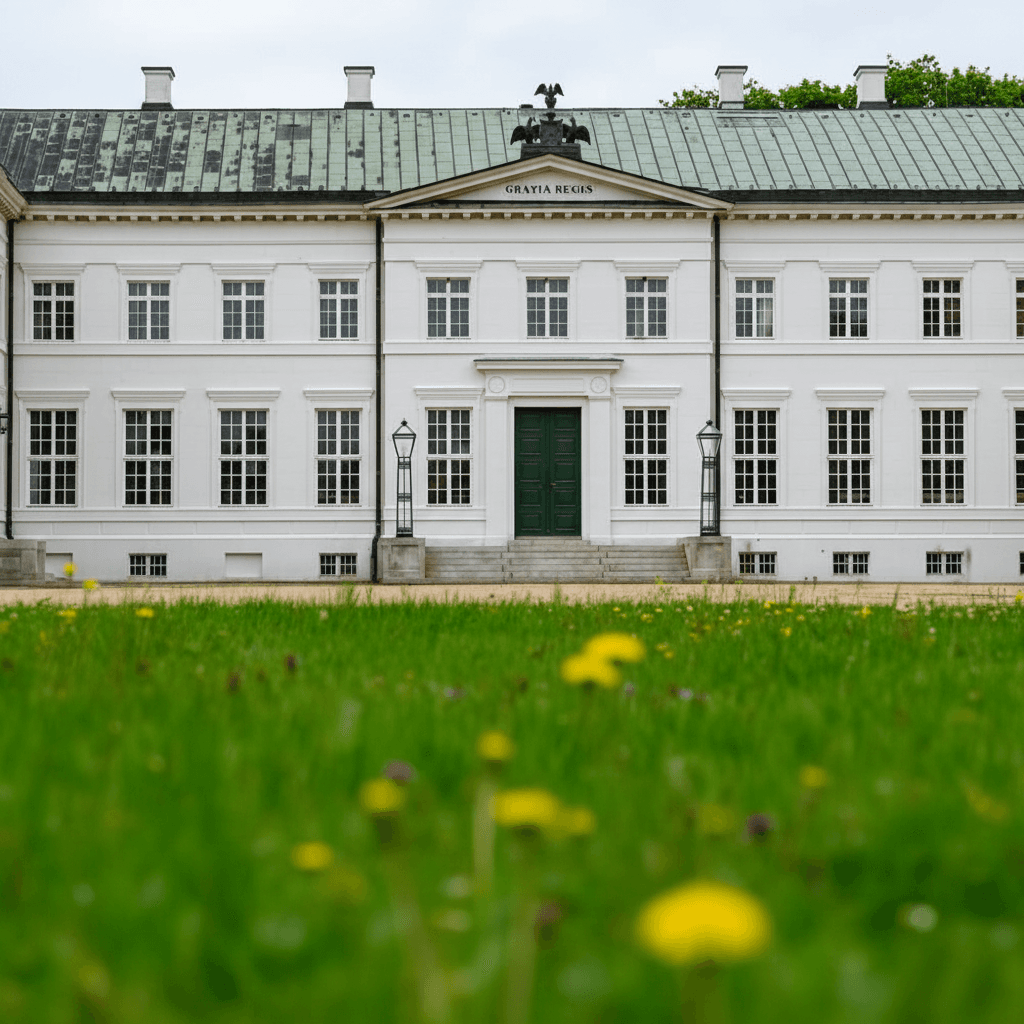
Germany’s federal government is meeting for two days at Neuhardenberg Palace in Brandenburg after the summer recess. According to Handelsblatt, this is the first cabinet retreat held at the site in 22 years.
The talks will focus primarily on strengthening the competitiveness of the German economy. The government will also examine the consequences of this summer’s heatwave.
The retreat opens a period that will include three state elections and a possible autumn reform drive.
The economy leads the agenda
Reviving the economy and securing its long-term strength are expected to shape the entire retreat, with representatives from the business community taking part in the discussions.
The agenda covers artificial intelligence, support for technology and research, cutting bureaucracy, skilled trades, start-ups and smarter housing construction.
Chancellor Friedrich Merz wants the CDU-SPD government to implement quickly the reform package adopted before the summer recess. He has presented it as a set of decisions from which the government will not depart.
Disagreement over pensions
Sven Schulze, Michael Kretschmer and Mario Voigt, the CDU state premiers of Saxony-Anhalt, Saxony and Thuringia respectively, oppose a pension proposal.
They reject plans to abolish the option of retiring without deductions after 45 years of contributions, commonly known in Germany as the “Rente mit 63”.
Merz and Labour Minister Bärbel Bas, however, regard the reform as an indivisible package that cannot be changed. A decision is due in the autumn.
Heatwave renews climate debate
SPD ministers want to strengthen climate protection in response to the heatwave by amending Germany’s Basic Law, the country’s constitution since May 8, 1949.
The CDU-CSU alliance led by Merz is sceptical or opposed to the amendment and wants to use the existing policy options first.
Government spokesperson Steffen Kornelius said no final decision on constitutional climate protection would be taken on Wednesday.
The meeting must first establish a comprehensive assessment of the effects of the heat and drought. Possible conclusions can then be considered.
Cabinet reshuffled in July
Merz reshuffled his cabinet in July after Jens Spahn resigned as parliamentary group leader of the CDU-CSU alliance. Three posts changed hands.
Nina Warken moved from the Health Ministry to become head of the Chancellery, while Carsten Linnemann took over the Health Ministry.
Steffen Bilger replaced Patrick Schnieder as transport minister. The way Schnieder was removed caused discontent with Merz inside the CDU.
During the summer recess, Bilger made frequent public appearances to raise his profile with a broader audience.
Topics
Source
Related articles


Latest articles



The illustrations in this article are generated by artificial intelligence.
Comments
No comments yet. Be the first to react.