…
World
Nepal-Tibet floods leave more than 150 dead and 579 tourists missing
Herz — World Desk · · 30s summary · 2 min read
The essentials
Flash flooding and a mudslide struck communities near the Nepal-Tibet border on Wednesday, leaving more than 150 people dead in the available toll. Nepalese police list 579 tourists as missing, including 466 foreign nationals from 28 countries. Chinese state media separately report three deaths and 265 missing people in Tibet. Further analysis by the US Geological Survey indicates that the landslide generated the recorded seismic energy rather than being triggered by an earthquake. The precise trigger remains unknown. Initial damage to roads and bridges exceeds 15 billion Nepalese rupees, according to a government official.
- More than 150 people have died in the available toll
- Nepalese police list 579 tourists as missing, including 466 foreign nationals
- Chinese state media report three deaths and 265 missing people in Tibet
- The precise trigger of the landslide remains unknown
- Initial road and bridge damage exceeds 15 billion Nepalese rupees
What is known
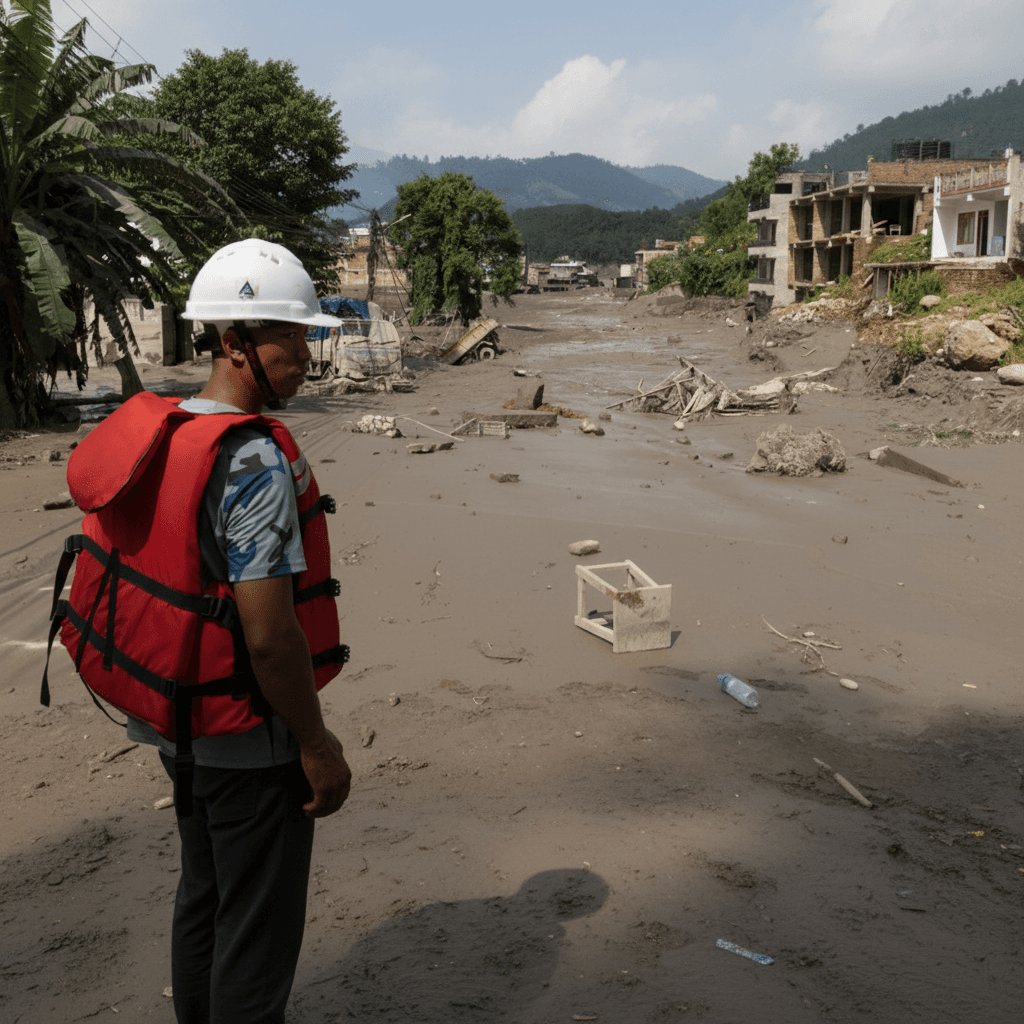
Flash flooding accompanied by a mudslide struck communities near the border between Nepal and Tibet on Wednesday.
The BBC reports that more than 150 people have died. Nepalese police also list 579 tourists as missing, including 466 foreign nationals from 28 countries.
Those missing include 54 US nationals, more than 100 Indians, 33 British nationals and more than 100 Nepalese nationals.
A Nepalese tourism spokesperson also reported that 24 Canadians were missing. Canadian foreign affairs officials were asked to confirm that figure.
In Tibet, Chinese state media report three deaths and 265 people missing.
Security-camera footage released from Tibet shows a wall of water and mud striking buildings at a border crossing.
Foreign nationals among those missing
The US State Department says it is aware that US nationals were affected by Wednesday's flooding. It has not released a figure or further details, citing privacy considerations.
The US Embassy in Nepal is working with tourism agencies and local authorities. It says it is assisting those affected and remains in contact with Nepalese authorities.
Canada's foreign affairs ministry says it is monitoring the situation and is ready to provide assistance if required.
What caused the disaster
Initial reports suggested that an earthquake had triggered an ice avalanche and a landslide.
The US Geological Survey, a US government agency specialising in Earth sciences, later revised that assessment.
Its additional analysis indicates that the landslide itself generated the recorded seismic energy, rather than the other way around.
Water from rainfall or melting ice can destabilise soil or ice, but the precise trigger has not been established.
Climate change is accelerating glacier melt in the Hindu Kush-Himalaya, a mountainous region that includes the western extension of the Himalayas.
Scientists nevertheless say it is too early to determine what role climate change played in this specific disaster.
Roads and bridges badly damaged
The flooding caused initial damage of more than 15 billion Nepalese rupees to roads and bridges.
A government official valued the damage at £72.18 million, or $98.33 million.
579
tourists reported missing
466
missing foreign nationals
Topics
Source
Related articles



Latest articles

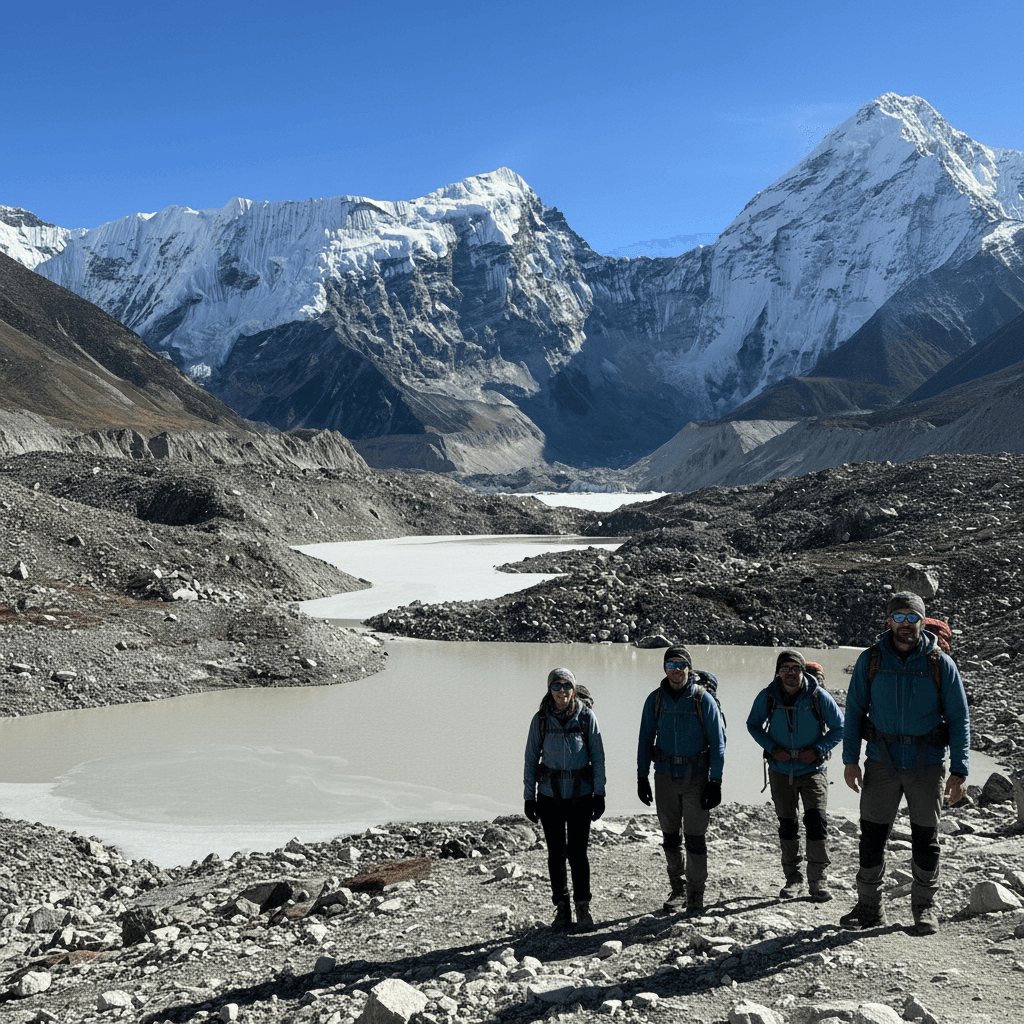

The illustrations in this article are generated by artificial intelligence.
Comments
No comments yet. Be the first to react.