…
World
Ceuta: 50,000-60,000 Migrants in 48 Hours, 67 Deaths, and Mass Return to Morocco
Herz — World Desk · · 30s summary · 3 min read
The essentials
Between July 29 and 30, 2026, between 50,000 and 60,000 people — mostly young Moroccan nationals — crossed the border into Ceuta, a Spanish autonomous city on North Africa's coast bordering Morocco, according to Spanish authorities. The peak of arrivals occurred during the night of July 30-31, 2026. At least 67 people died. By August 1, more than 48,000 migrants had left Ceuta to return to Morocco. Italy responded by suspending Schengen free movement rules for non-EU nationals arriving from Spain throughout August. Spanish Prime Minister Pedro Sánchez demanded an urgent summit of the 27 EU Member States, calling the situation 'unforgivable behavior.'
- 50,000 to 60,000 people crossed into Ceuta on July 29-30, 2026, mostly young Moroccan nationals
- At least 67 people lost their lives during the massive crossings
- More than 48,000 migrants returned to Morocco by August 1, 2026
- Italy suspended Schengen free movement for non-EU nationals from Spain throughout August 2026
- Pedro Sánchez demands emergency EU summit, calls situation 'unforgivable behavior'
What We Know
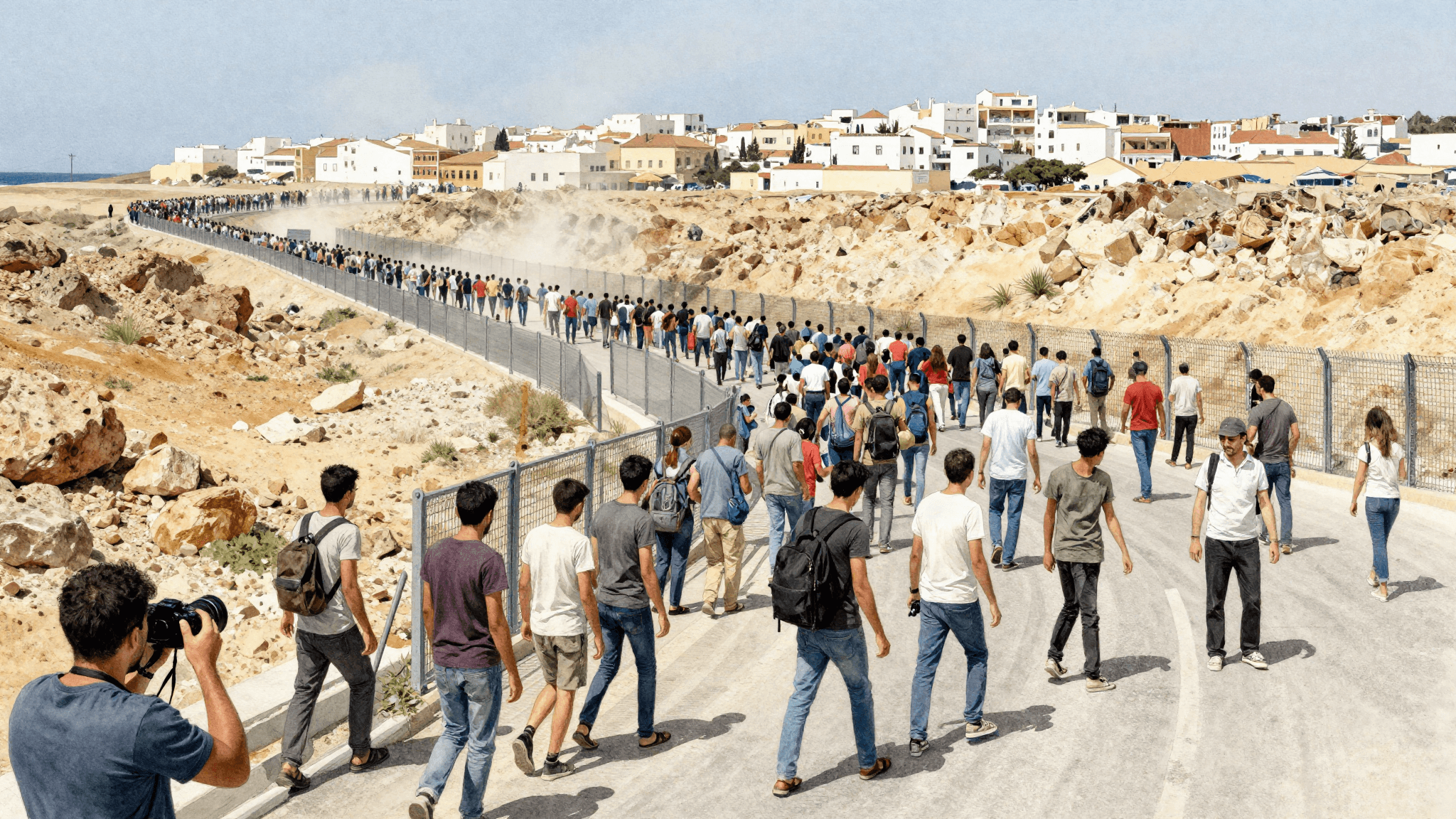
On July 29 and 30, 2026, between 50,000 and 60,000 people — mostly young Moroccan nationals — crossed the border into Ceuta, a Spanish autonomous city on North Africa's coast, according to Spanish authorities. The peak of arrivals occurred during the night of July 30-31, 2026.
At least 67 people lost their lives during these massive crossings.
By August 1, 2026, more than 48,000 migrants had left Ceuta to return to Morocco. The enclave was practically deserted by August 2, according to the Spanish government.
European Reactions
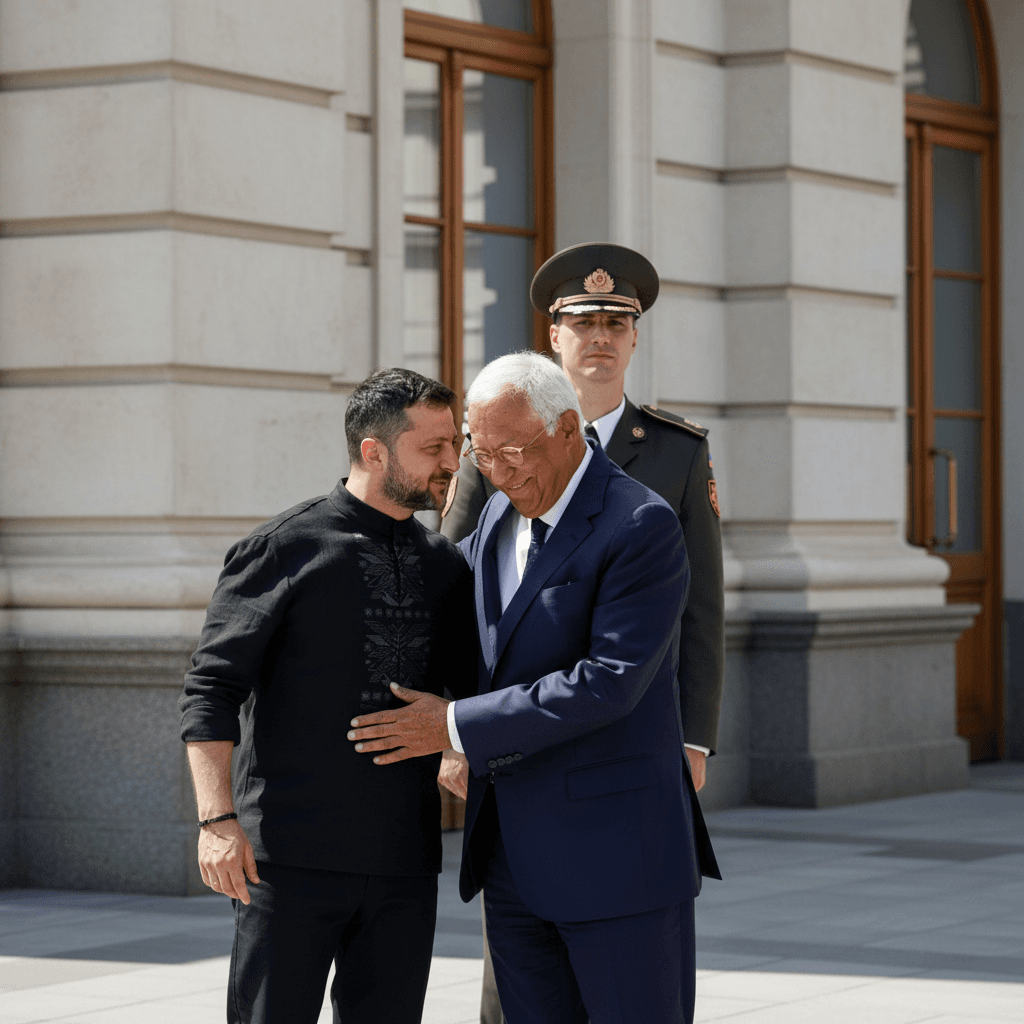
Pedro Sánchez, Spain's Prime Minister, demanded an urgent meeting of the 27 EU Member States and called the situation 'unforgivable behavior.'
Italy suspended free movement rules in the Schengen area — a zone comprising 29 European countries where internal border controls are normally eliminated — for non-EU nationals arriving from Spain throughout August 2026.
On the Ground: Disillusionment in Fnideq
On August 2, 2026, Le Monde reported from Fnideq, a Moroccan city adjacent to Ceuta, on the disillusionment of young Moroccans who had returned after a 'lightning-fast crossing' into Europe. These young people, known in Maghrebi media as harraga — from the Arabic word 'hraq,' meaning 'to burn,' describing those who 'burn' borders to reach Europe illegally — testified to profound disenchantment.
Background
Ceuta and its neighboring Melilla are the only two land borders of the European Union located on the African continent. These Spanish enclaves, adjacent to Moroccan territory, are critical entry points for irregular migration to Europe.
In May 2021, a previous major migration crisis affected Ceuta: several thousand people crossed the border within days amid Spanish-Moroccan diplomatic tensions over Western Sahara. The July 2026 episode far exceeds this precedent in scale.
Timeline
- May 2021First major migration crisis at Ceuta: several thousand people cross the border within days amid diplomatic tensions between Spain and Morocco over Western Sahara.
- July 29-30, 2026Between 50,000 and 60,000 people cross into Ceuta within 48 hours, with peak arrivals during the night of July 30-31. At least 67 deaths are recorded.
- More than 48,000 migrants leave Ceuta to return to Morocco, leaving the enclave practically deserted. Italy suspends Schengen free movement rules for non-EU nationals arriving from Spain throughout August.
Topics
Related articles



Latest articles



The illustrations in this article are generated by artificial intelligence.
Comments
No comments yet. Be the first to react.