…
World
Europol reports more violent museum burglaries across Europe
Herz — World Desk · · 30s summary · 2 min read
The essentials
Museum burglaries across Europe increasingly involve firearms, assaults, axes and explosives, according to a Europol report published Monday. The EU law-enforcement agency says violence is often linked to operations targeting objects selected in advance. Jewellery, precious metals and antique Chinese porcelain are among the main targets. Some suspects have backgrounds in other forms of crime, while others may be recruited locally through social media or messaging apps without knowing one another beforehand. Europol is examining whether criminals from other markets see museum theft as a low-risk, high-return activity, but says more evidence is needed.
- Some museum burglaries involve firearms, assaults, axes or explosives.
- Violent operations often target objects selected in advance.
- Jewellery, precious metals and antique Chinese porcelain are among the targets.
- Some offenders are recruited through social media and messaging apps.
- Europol is examining the possible involvement of new criminal networks.
What the report says
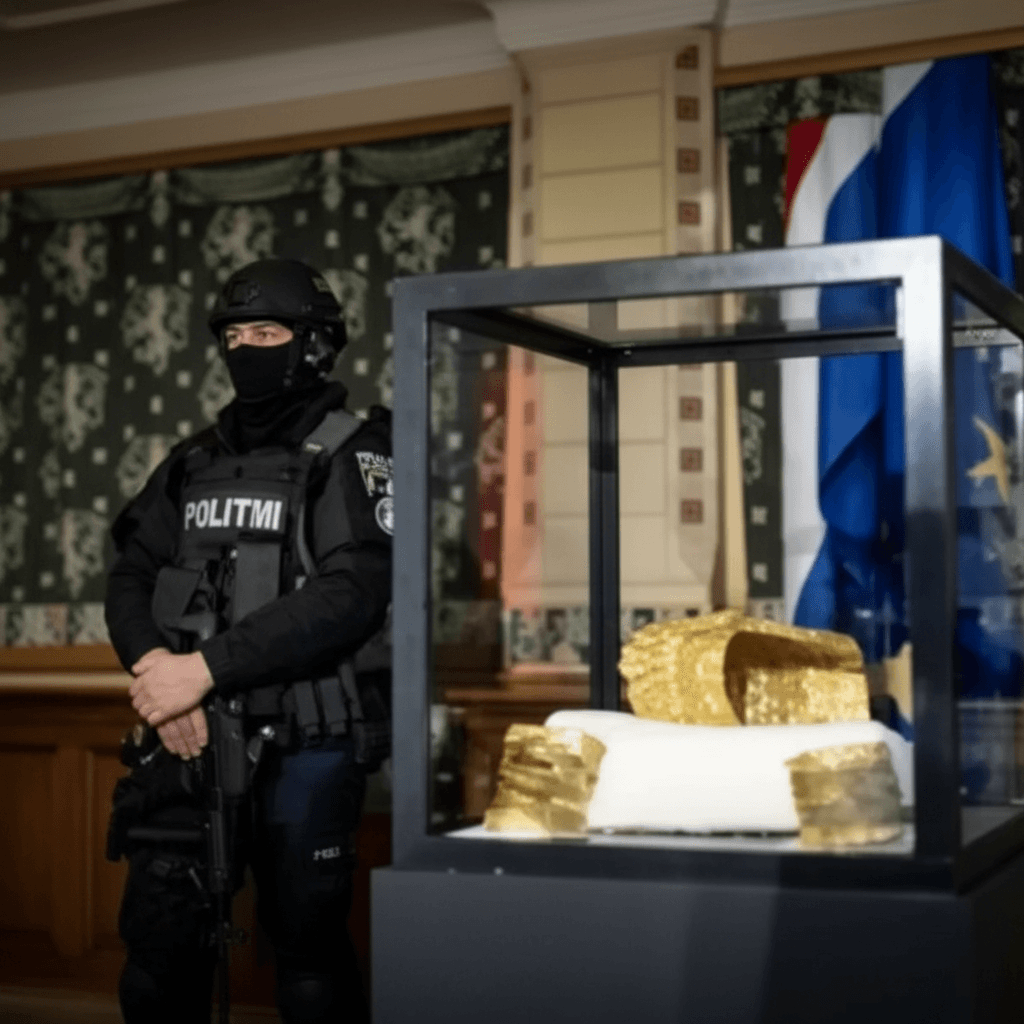
Museum burglaries across Europe are becoming more violent, according to a Europol report published Monday and reported by The Guardian. Offenders have used firearms, sledgehammers, axes and explosives.
Europol, the EU agency that facilitates intelligence-sharing between national police forces, says several member states have observed this shift towards violent and coercive methods.
In some cases, firearms have been used to intimidate security staff and visitors. Other burglaries have involved restraining or directly assaulting staff and using brute force.
The use of violence is closely associated with targeted operations, suggesting that specific objects were identified in advance and the thefts were planned.
Different criminal profiles
Some recently arrested suspects had records involving other forms of crime. Their profiles differ from those of conventional cultural-goods traffickers, who generally avoid violence and specialise in organised property crime or the theft of cultural objects.
In several recent cases, offenders were reportedly recruited locally through social media and instant-messaging services. Some had no previous connection to one another and coordinated only for the operation.
That temporary structure differs from established cultural-goods trafficking networks, which are generally organised around a core group led by one person.
Europol says low-level museum thieves may be recruited at random under a “crime-as-a-service” model, although more evidence is required. It is also examining whether criminals active in other markets have identified museum burglaries as a low-risk, high-return activity.
The objects most often targeted
Precious metals and jewellery are favoured targets because of their value. Gold and silver can be melted down, while gemstones can be removed from their settings.
Antique Chinese porcelain is also targeted for its financial value. Europol says strong demand may make such objects easier to resell on the art market.
Burglaries in France and the Netherlands
- 2024Four masked suspects carrying baseball bats and axes steal seven diamond-set gold objects from the Musée Cognacq-Jay in Paris.
- January 2025A group uses explosives to enter the Drents Museum in the Netherlands and steals several Dacian objects.
Topics
Source
Related articles

Latest articles



The illustrations in this article are generated by artificial intelligence.
Comments
No comments yet. Be the first to react.