…
Tech & Science
DRC: Ebola epidemic becomes deadliest in the country's history
Herz — Tech & Science Desk · · 30s summary · 2 min read
The essentials
The ongoing Ebola epidemic in the Democratic Republic of the Congo became, on August 17, 2026, the deadliest in the country's history. Congolese authorities have recorded 2,325 deaths among 4,945 confirmed cases, three months after the epidemic was declared. Starting in Ituri, the outbreak now affects six provinces in the north and east. No vaccine or specific treatment is currently available against the strain responsible, while several vaccines are undergoing trials.
- 2,325 people have died among 4,945 confirmed cases.
- The outbreak has spread to six Congolese provinces.
- The epidemic was declared on May 15, 2026.
- No vaccine or specific treatment is currently available against this strain.
What we know
On August 17, 2026, the ongoing Ebola epidemic in the Democratic Republic of the Congo became the deadliest in the country's history. France Info and France 24 report that it now exceeds the toll from the 2018–2020 outbreak.
According to the latest figures from Congolese authorities, the outbreak has caused 2,325 deaths among 4,945 confirmed cases. This toll was reached just three months after the epidemic was declared.
The country declared its 17th Ebola epidemic on May 15, 2026, with a delay of several weeks.
The outbreak started in Ituri, in the northeast of the country. It has spread to Ituri, North Kivu, South Kivu, Tshopo, Haut-Uélé and Bas-Uélé.
In these regions of the north and east, the presence of the state is fragile and health infrastructure is poorly equipped. The response is overwhelmed by the surge in cases.
The head of humanitarian affairs at the UN describes this outbreak as the fastest ever recorded. It kills one person every 30 minutes.
A strain without available vaccine
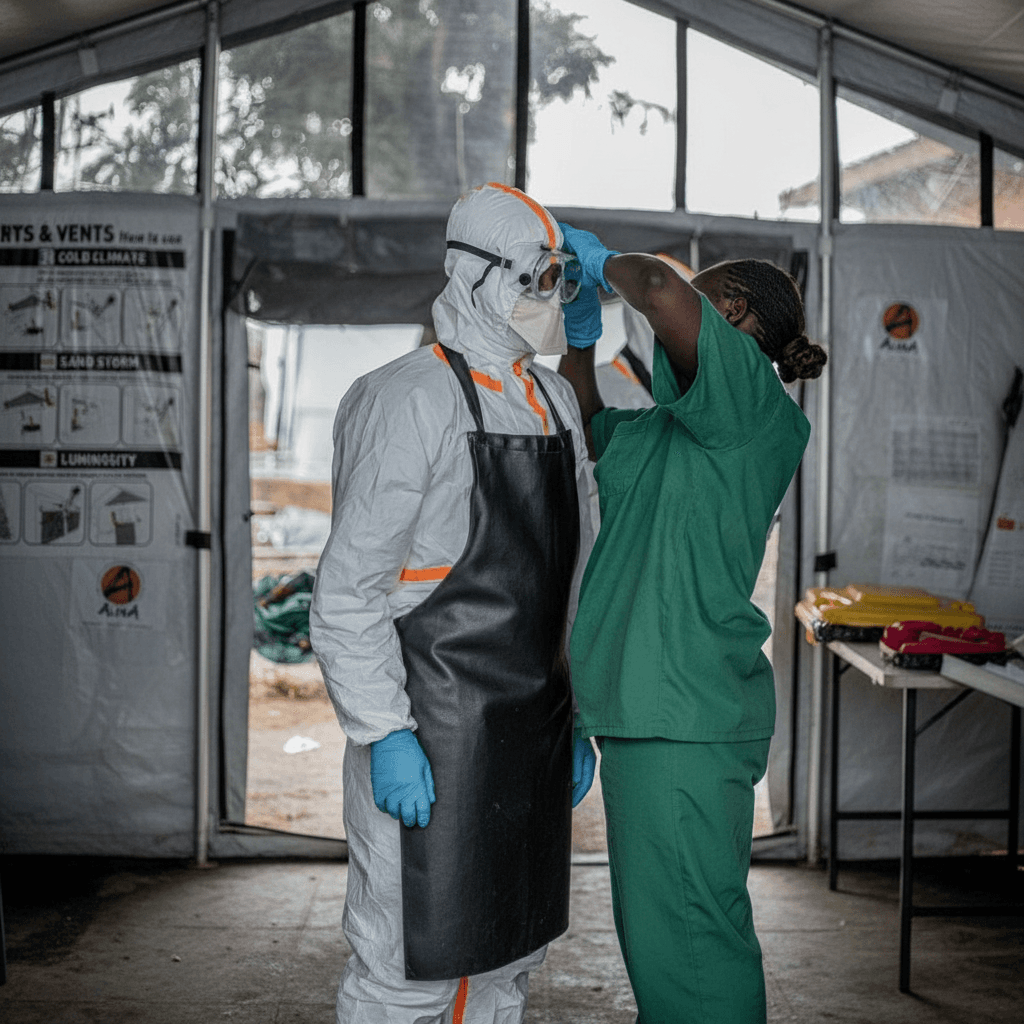
No vaccine or specific treatment is currently available against the Bundibugyo variant, the strain of Ebola virus responsible for this epidemic. However, several vaccines are undergoing trials against this strain.
Ebola spreads through contact with body fluids and causes hemorrhagic fever.
The figures
2,325
deaths in the current epidemic
4,945
confirmed cases in the current epidemic
6
provinces affected
Current epidemic2325
2018–2020 epidemic
Topics
Source
Related articles


Latest articles
The illustrations in this article are generated by artificial intelligence.
Comments
No comments yet. Be the first to react.