…
Tech & Science
DR Congo: Ebola outbreak surpasses 1,500 deaths and spreads to five provinces
Herz — Tech & Science Desk · · 30s summary · 4 min read
The essentials
The Ebola outbreak in eastern Democratic Republic of the Congo has caused 1,521 deaths among 3,442 laboratory-confirmed infections since late April. According to Handelsblatt, it is now the third-deadliest outbreak on record and the fastest-growing by infections. Five provinces are affected, including an area on the busy border with South Sudan. More than 80% of new cases are not linked to known contact lists, making transmission difficult to trace. The World Health Organization estimates that the true number of infections could be two to four times the confirmed count.
- 3,442 confirmed infections and 1,521 deaths since late April
- The estimated case fatality rate is about 44%
- More than 80% of new cases are outside known contact lists
- The outbreak has reached five provinces and the South Sudan border
- Human trials of a targeted vaccine began on July 24
What is known
The Congolese government has recorded 3,442 laboratory-confirmed infections and 1,521 deaths since late April, Handelsblatt reports.
Within a few months, the outbreak became the third-deadliest ever recorded. Infections are rising faster than in any other known Ebola outbreak.
Authorities estimate the case fatality rate at about 44%, meaning nearly half of detected infections have resulted in death.
The World Health Organization (WHO), the United Nations agency responsible for public health, estimates that the true number of infections could be two to four times the laboratory-confirmed count.
Transmission is difficult to trace
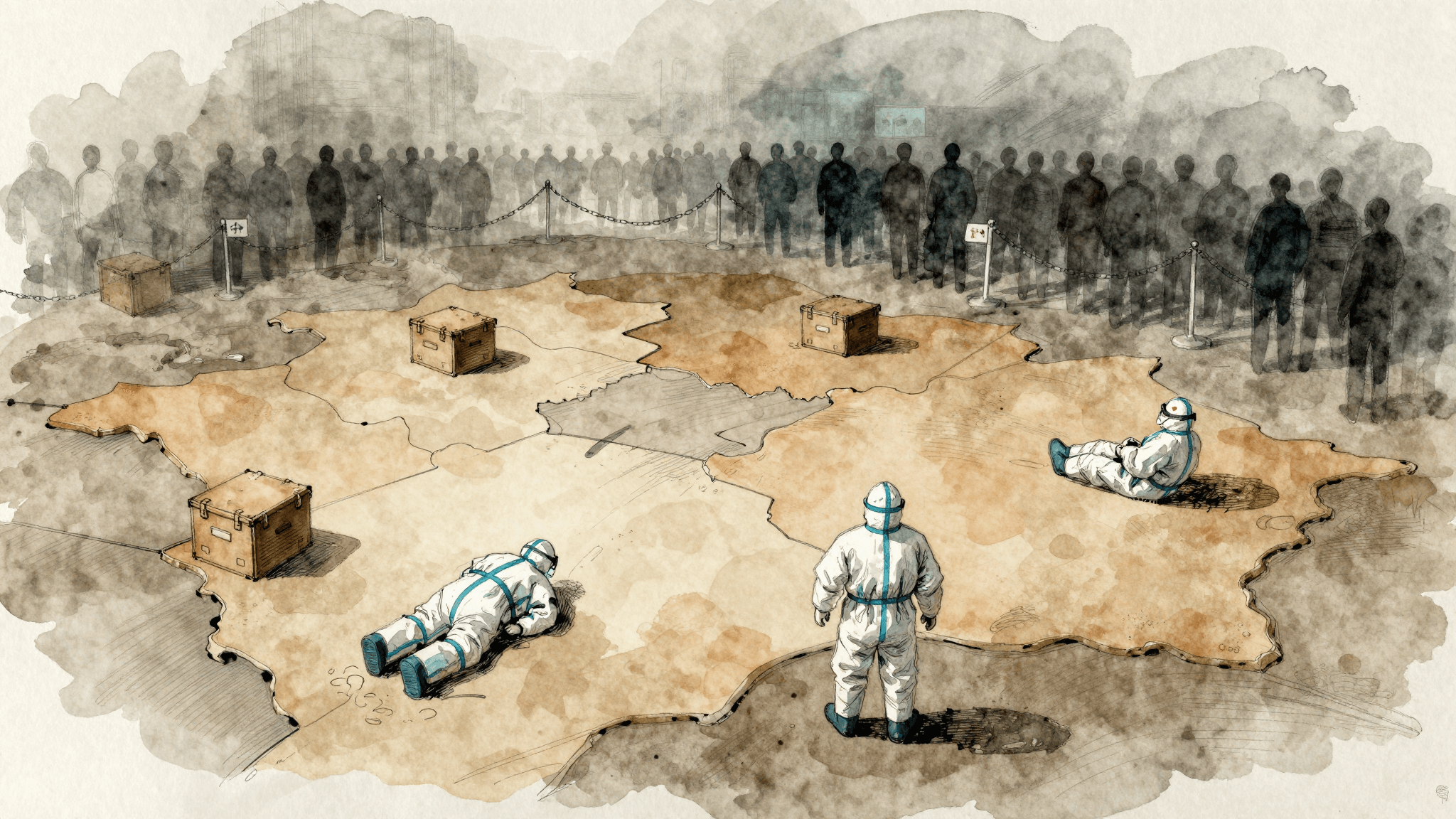
More than 80% of new cases are detected outside the contact lists of other patients. For most newly infected people, the place of transmission remains unknown.
New cases are increasing every week. The outbreak now affects five provinces, including an area directly on the busy border with South Sudan.
WHO declared a health emergency in mid-May. Experts nevertheless believe the virus may have been circulating in the region since February.
- FebruaryExperts identify this as the possible start of the virus circulating in the region.
- Late AprilThe first patient with an established case dies in Ituri province.
- Mid-MayWHO declares a health emergency.
- July 24The first phase of human trials begins for a vaccine targeting the Bundibugyo variant.
Patients are reaching care too late
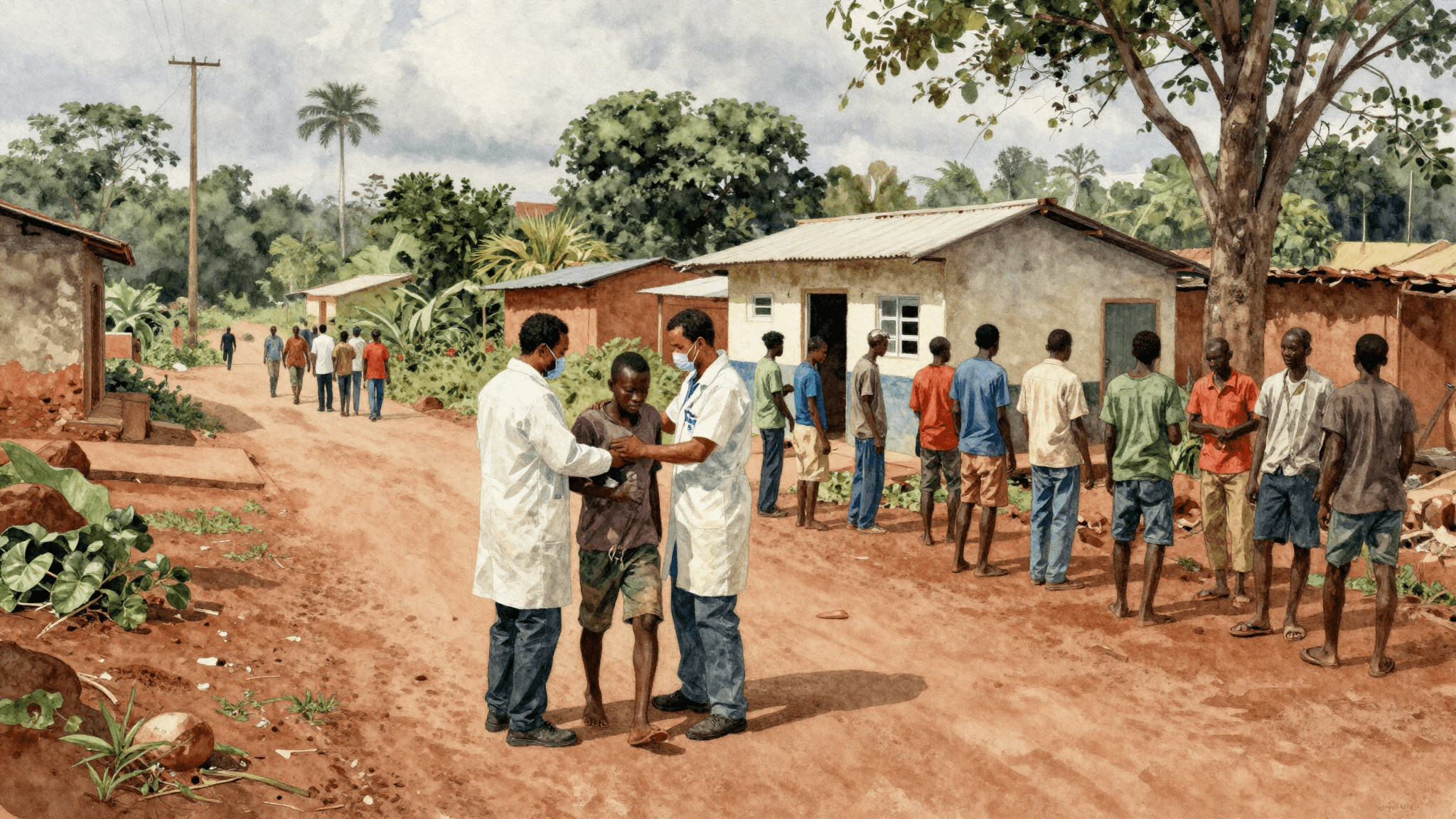
Staff from Médecins Sans Frontières (MSF), an international medical humanitarian organization, report that many patients arrive in critical condition, when their chances of survival are low.
According to WHO, two-thirds of those who die do so in their communities without treatment at a specialized facility. Relatives caring for them face particularly high exposure.
Topics
Related articles


Latest articles
The illustrations in this article are generated by artificial intelligence.
Comments
No comments yet. Be the first to react.