…
Tech & Science
DR Congo Ebola outbreak reaches 2,011 deaths and 4,381 cases
Herz — Tech & Science Desk · · 30s summary · 2 min read
The essentials
The Democratic Republic of the Congo had recorded 4,381 Ebola cases and 2,011 deaths as of August 11, 2026, a case fatality rate of 45.9%. According to Die Zeit and Süddeutsche Zeitung, 704 patients are currently being treated in isolation units. The WHO says the outbreak may have begun in February but was not officially declared until May 15. Ituri province is the epicentre, with many other cases reported in North Kivu and South Kivu. The Bundibugyo strain is responsible, and no specific vaccine or treatment is currently available.
- DR Congo has recorded 2,011 deaths among 4,381 Ebola cases.
- The case fatality rate stands at 45.9%.
- A total of 704 patients are being treated in isolation units.
- The outbreak may have begun in February 2026.
- Ituri province is the epicentre of the outbreak.
What we know
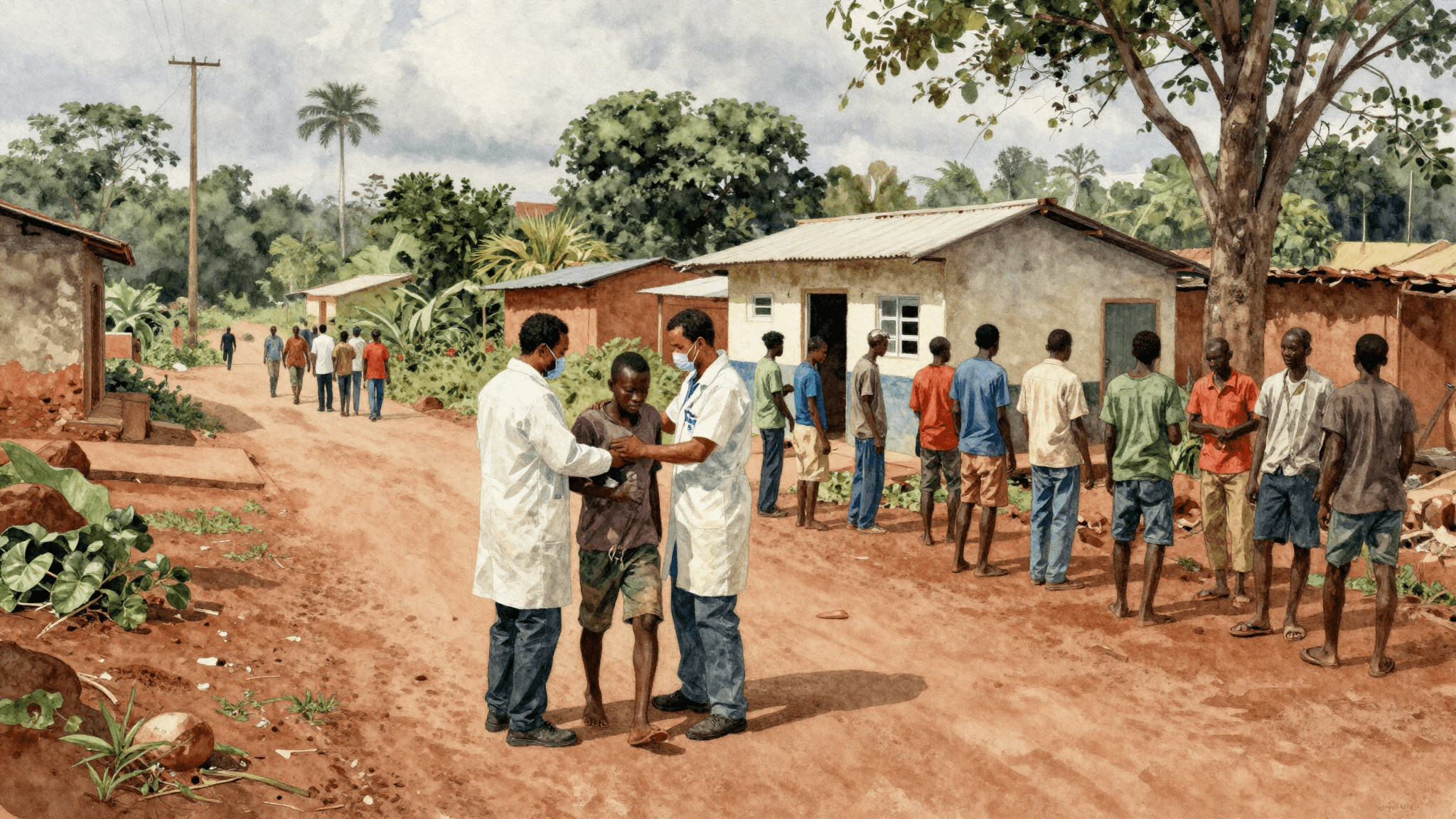
As of August 11, 2026, the Democratic Republic of the Congo had recorded 4,381 Ebola cases and 2,011 deaths. The case fatality rate stood at 45.9%.
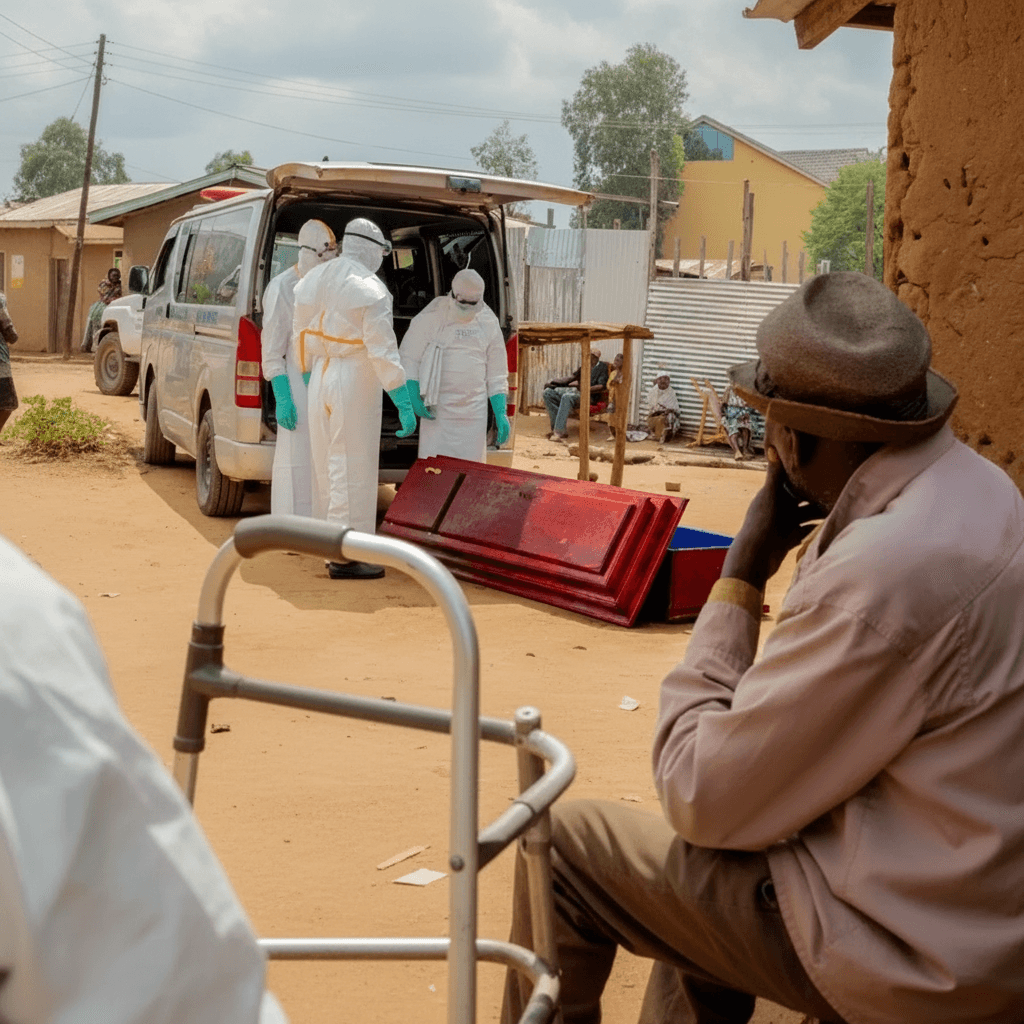
A total of 704 people with Ebola are currently being treated in isolation units.
The WHO says the outbreak may have begun as early as February 2026 and remained undetected for an extended period. The authorities officially declared it on May 15, 2026.
Rapid growth over twelve weeks
Jean Kaseya, director-general of Africa CDC, the African Union's public health agency, compared the outbreak with the West African Ebola epidemic of 2014 to 2016.
During the first twelve weeks, the number of patients was eight times higher, while the death toll was more than six times the level recorded over the same period of the earlier epidemic.
The 2018–2020 outbreak in DR Congo totalled 3,400 cases. The current outbreak reached approximately 4,000 patients in twelve weeks.
2018–2020 outbreak3400
Current outbreak, first twelve weeks4000
A strain with no specific vaccine or treatment
The outbreak is caused by the Bundibugyo strain, which was behind the outbreak reported in Ituri in May 2026. No specific vaccine or treatment is currently available.
Two antiviral treatments have, however, been undergoing clinical trials since early July 2026. Health authorities are also investigating whether the virus has mutated.
Ebola spreads through bodily contact or contact with bodily fluids. It causes a potentially fatal fever accompanied by diarrhoea and bleeding.
Contact tracing remains incomplete
Approximately 86% of new cases are not connected to contact chains already being monitored. Jean Kaseya fears this may indicate that a growing number of cases are going unreported.
Topics
Source
Related articles

Latest articles
The illustrations in this article are generated by artificial intelligence.
Comments
No comments yet. Be the first to react.