…
Climate
Wildfires in France and Spain: Over 250,000 Evacuated, Spain Declares Historic National Emergency
Herz — Climate Desk · · 30s summary · 3 min read
The essentials
Since July 23, 2026, wildfires have been ravaging southwestern France and Spain, forcing over 250,000 people to flee both countries. In France, 197,000 people have been evacuated, including tens of thousands from Bordeaux. Spain has declared a national state of emergency for wildfires—a first in the country's history. No deaths have been reported as of July 25, though dozens of French firefighters have been injured. Madrid has also triggered an air quality alert due to the orange haze generated by the flames.
- Over 250,000 people evacuated across France and Spain by July 25, 2026.
- Spain declares national state of emergency for wildfires—a historic first.
- Cap Ferret fully evacuated July 24, 2026: over 40,000 residents affected.
- Madrid under air quality alert July 25 due to persistent orange haze.
- No deaths reported; dozens of French firefighters injured.
What We Know
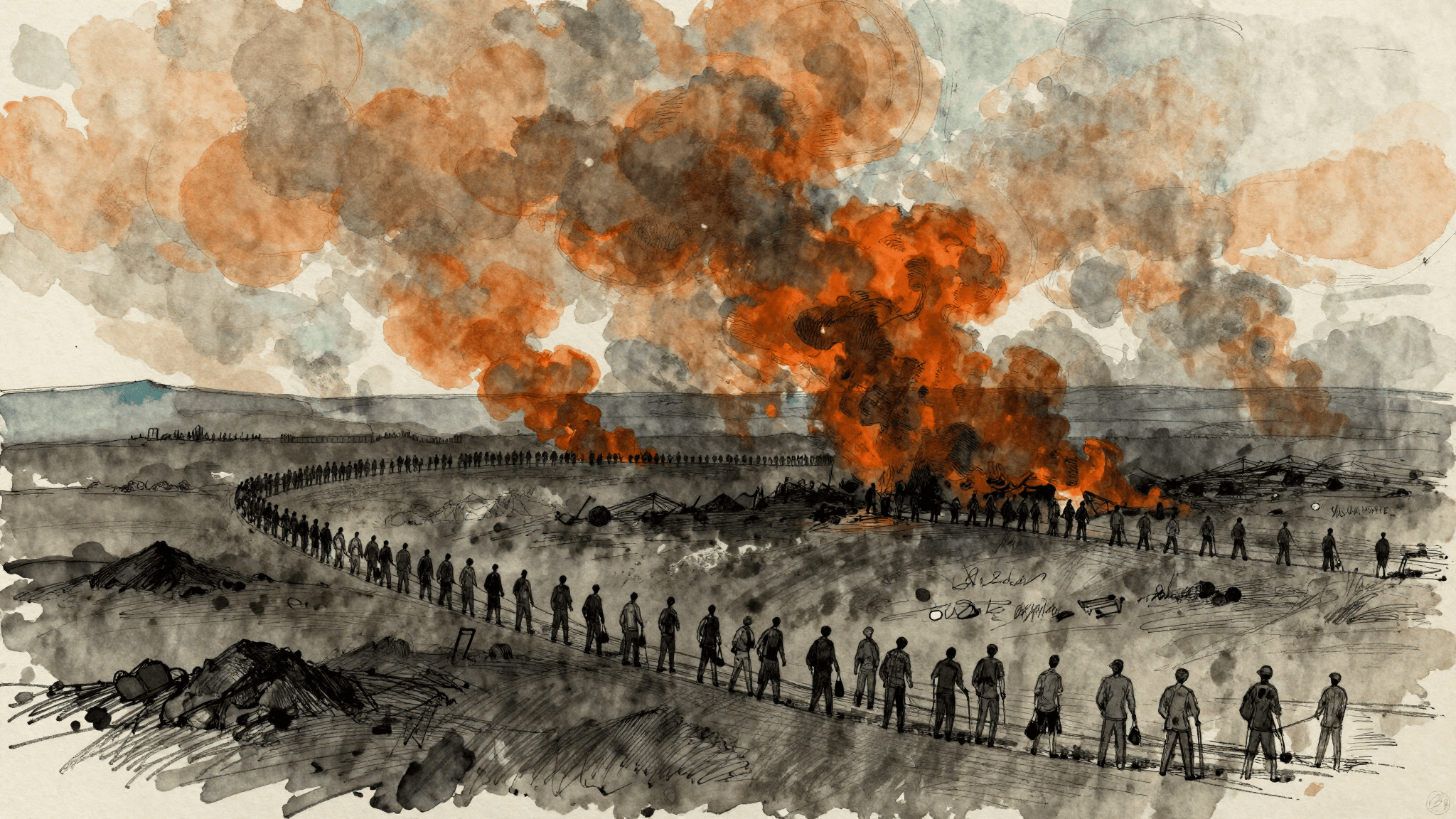
Wildfires have been ravaging southwestern France and Spain since July 23, 2026. By July 25, over 250,000 people had been forced to flee both countries combined.
In France, 197,000 people have been evacuated, including tens of thousands from Bordeaux and its western suburbs. On July 24, Cap Ferret was fully evacuated, affecting over 40,000 residents.
probably the largest [evacuation] in peacetime France has ever seen
— Laurent Nuñez, French Interior Minister
No deaths have been reported in either country as of July 25. However, dozens of French firefighters have been injured.
Spain's Situation
Spain has declared a national state of emergency to address the forest fires—a first in the country's history. A national state of emergency is a government measure that can restrict certain fundamental freedoms in the event of imminent peril.
In the Sierra Oeste de Madrid and Ávila province, the flames have burned over 25,000 hectares. Approximately 80,000 people have been evacuated or confined in these areas.
On July 25, Madrid's municipal authorities triggered an air quality alert: an orange haze and persistent burning smell lingered over the city. At noon, 12 of 14 air quality monitoring stations showed 'fair' or 'poor' readings.
Spain's Health Minister Mónica García urged Madrid residents to remain at home. If going outside was unavoidable, she called for people to wear FFP2 masks.
The Numbers
250,000+
people evacuated across both countries by July 25, 2026
197,000
people evacuated in France
40,000+
people evacuated from Cap Ferret on July 24, 2026
98,000 ha
hectares burned in France since early 2026
130,000 ha
Topics
Related articles

Latest articles
The illustrations in this article are generated by artificial intelligence.
Comments
No comments yet. Be the first to react.