UK Record Heat: 38.1°C at Kew Gardens, August 2026 | Lost in the Jungle
Climate
United Kingdom: 38.1°C at Kew Gardens, Hottest Day of 2026 During Fifth European Heat Wave
Herz — Climate Desk · · 30s summary · 3 min read
The essentials
The United Kingdom recorded its hottest day of 2026 on August 13, with a provisional temperature of 38.1°C at Kew Gardens (west London), surpassing the previous annual record of 38°C set on June 28. Europe is gripped by its fifth summer heat wave, trapped under a 'heat dome'—a persistent anticyclone that locks hot air in the troposphere, bringing temperatures close to 40°C across the continent. Bordeaux and Nantes in France reached 38°C; peaks to 41°C were expected by afternoon. England faces an extreme heat alert through August 14, 9 p.m. Romania shut down its only nuclear plant due to historically low Danube water levels.
38.1°C at Kew Gardens on August 13: UK's hottest day of 2026.
Fifth summer heat wave sweeping Europe under a persistent heat dome.
Extreme heat alert covers all of England through August 14, 9 p.m.
Romania shuts down only nuclear power plant as Danube water plummets.
France records 17 days of extreme heat in 2026; wildfires and drought unprecedented.
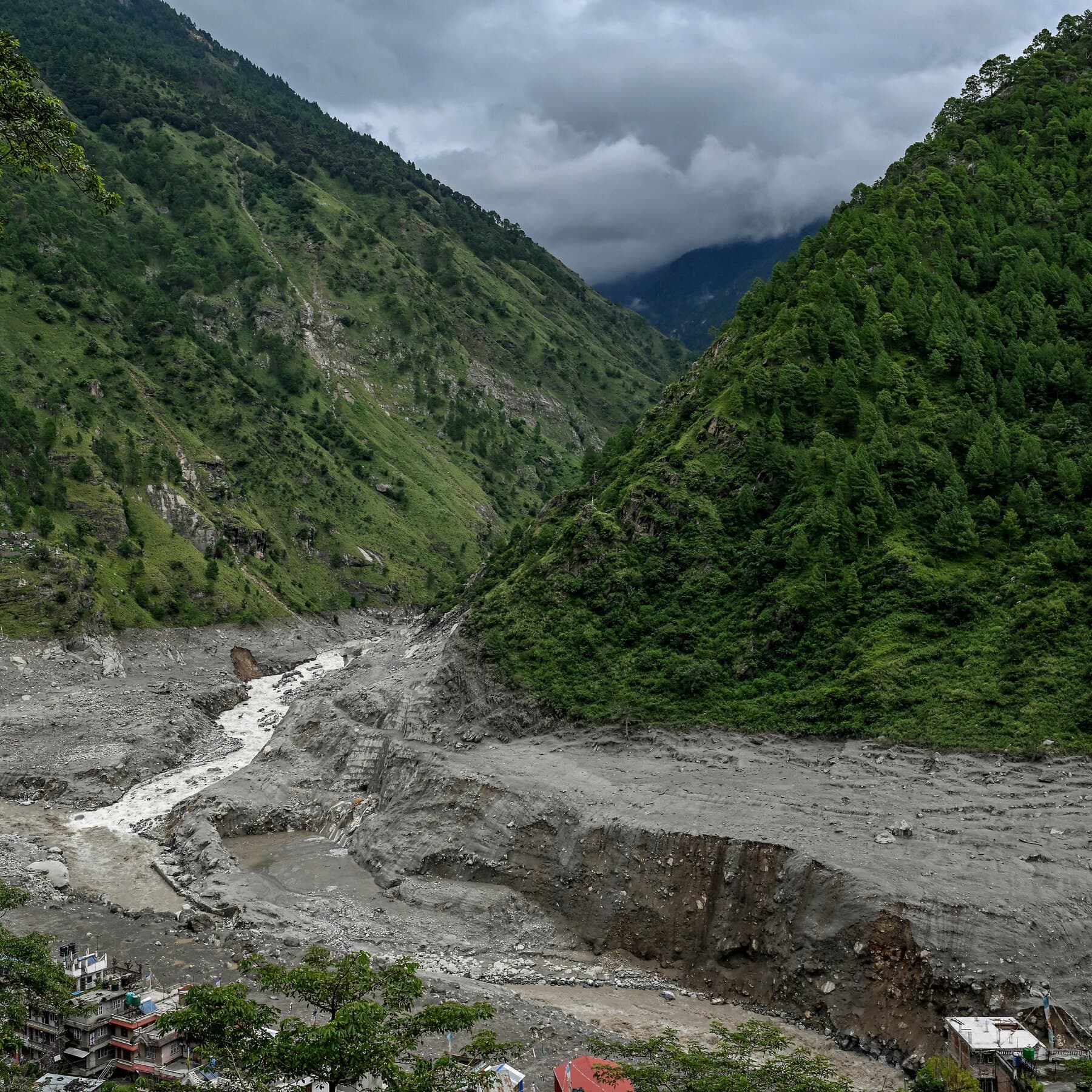
Illustration image — Lost in the Jungle
What We Know
The United Kingdom recorded its hottest day of 2026 on August 13: a provisional temperature of 38.1°C at Kew Gardens (west of London), according to The Guardian. This figure surpasses the previous annual record of 38°C, reached on June 28, 2026.
This heat is part of the fifth summer heat wave sweeping Europe, trapped under a 'heat dome'—a blockage created by a persistent, powerful anticyclone that locks hot air in the troposphere and causes abnormally high temperatures over a vast geographic area. Temperatures were approaching 40°C across the continent on the same day.
Across the UK, Charlwood (Surrey) reached 37.1°C—the second-highest maximum temperature in August since 2003. Teddington (London) recorded 36.1°C, Pershore College (Worcestershire) 36°C, and Wales 35°C.
Maximum temperatures across the United Kingdom on August 13, 2026 (°C)
The illustrations in this article are generated by artificial intelligence.
Comments
No comments yet. Be the first to react.
Active Alerts
An orange weather alert was issued on August 13 for south-east and east England, London, the Midlands, the north-west, the south-west, and parts of Yorkshire and Humber. An extreme heat alert covers all of England until August 14, 9 p.m.
Heat Strikes France and Spain
In France, Bordeaux and Nantes reached 38°C, Paris 36°C, and Montpellier 34°C. Peaks of 41°C were expected by afternoon on August 13. In Spain, highs of 40°C were also forecast for the same day.
Maximum temperatures across France on August 13, 2026 (°C)
Summer 2026 is on course to become the hottest on record in the United Kingdom. The year 2026 is set to be the first year on record with four distinct days reaching 36°C or higher.
In France, 17 days of extreme heat have been recorded in 2026—one of the longest periods ever measured. The area burned by wildfires by the third week of July already exceeded the total for any complete previous year.
Spain has broken its record for area burned by wildfires for this time of year in 2026, according to data from the European Forest Fire Information System (EFFIS), released on August 13.
In the United Kingdom, nearly three-quarters of England and all of Wales are in drought conditions as of August 2026, following a month of July with record-breaking drought and early August with virtually no rainfall.
Power: Nuclear Plants Under Strain
Romania shut down on August 13, 2026 the second of its two reactors—effectively closing its only nuclear power plant, which supplies roughly one-fifth of the country's electricity—due to historically low Danube water levels. The plant director said he does not expect operations to resume within the following ten days.
In Hungary, the Paks nuclear plant on the Danube is operating at just 25% of its normal capacity, up from 10% earlier in the month. Engineers have placed stones to raise the river level near the site.
The work is advancing at a rapid pace.
— Péter Magyar, Prime Minister of Hungary, August 13, 2026
Nuclear plant output on the Danube in August 2026 (% of normal capacity)
British firefighters were continuing on August 13 to battle a fire in the New Forest (Hampshire). Alerts for very high wildfire risk were issued for eastern and southern Scotland.
What is a heat dome?
A heat dome is a blockage created by a persistent and powerful anticyclone that produces a zone where temperature is higher over a large depth of the troposphere than in surrounding regions. This phenomenon generates extremely high temperatures over a wide geographic area, occurring mainly in summer or spring.
Why does extreme heat disrupt nuclear power plants?
Nuclear plants on rivers use river water for cooling. When prolonged heat lowers a river to historically low levels—as with the Danube in August 2026—reactors must reduce their output or shut down completely.
What is the drought situation in the UK in 2026?
As of August 2026, nearly three-quarters of England and all of Wales are in drought conditions, following a month of July with record drought and early August with virtually no significant rainfall.
What is the toll of wildfires across Europe in 2026?
In France, the area burned by wildfires by the third week of July 2026 already exceeded the total for any complete previous year. Spain has broken its record for area burned for this time of year, according to the European Forest Fire Information System (EFFIS).