…
Climate
Heat wave returns next week: mobile trees come to the rescue of Swiss cities
Herz — Climate Desk · · 30s summary · 2 min read
The essentials
MeteoSuisse forecasts a return of intense heat mid-next week, with temperatures again exceeding 30°C after a brief respite. Swiss urban areas face heat islands—where daytime heat accumulates and nighttime cooling is limited—due to reduced vegetation, impermeable surfaces, and dense construction. Mobile trees, deployable where traditional ground planting is impossible, are emerging as a solution. Research published in Communications Earth & Environment shows trees can lower pedestrian-level temperatures by up to 12°C and bring monthly maximum temperatures below 26°C in 83% of cities.
- MeteoSuisse forecasts heat wave return mid-next week with temperatures again above 30°C
- Swiss cities form heat islands: heating during day, poor cooling at night
- Mobile trees—deployable where ground planting is impossible—are proposed to cool cities
- Trees can reduce pedestrian-level temperatures by up to 12°C, according to study
- Tree planting lowers monthly temperature peaks below 26°C in 83% of cities
What we know
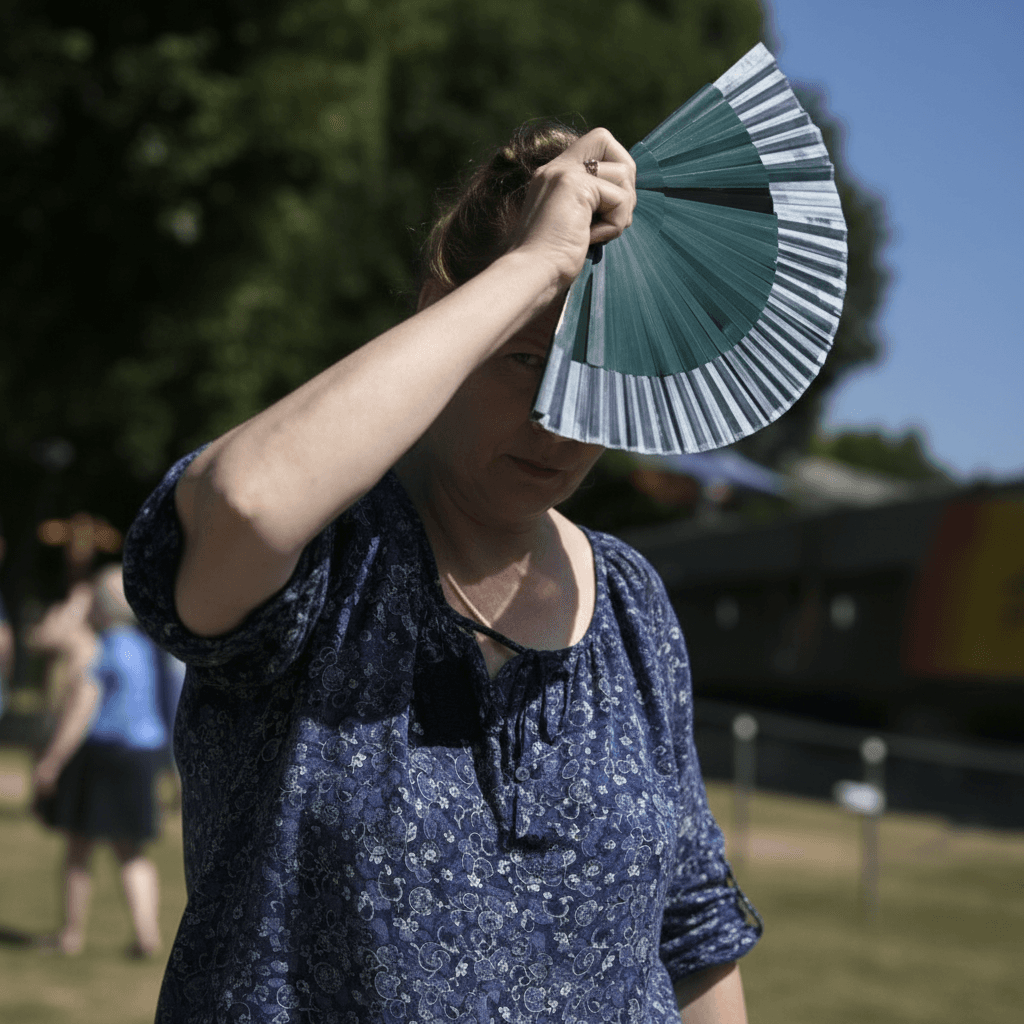
According to MeteoSuisse, intense heat should return mid-next week, with temperatures again exceeding 30°C. This new heat wave follows a brief ten-day cooling period.
Swiss urban zones are particularly affected. Reduced vegetation, impermeable soils, and dense construction create heat islands: cities warm significantly during the day and struggle to cool at night.
Mobile trees: an answer to urban heat
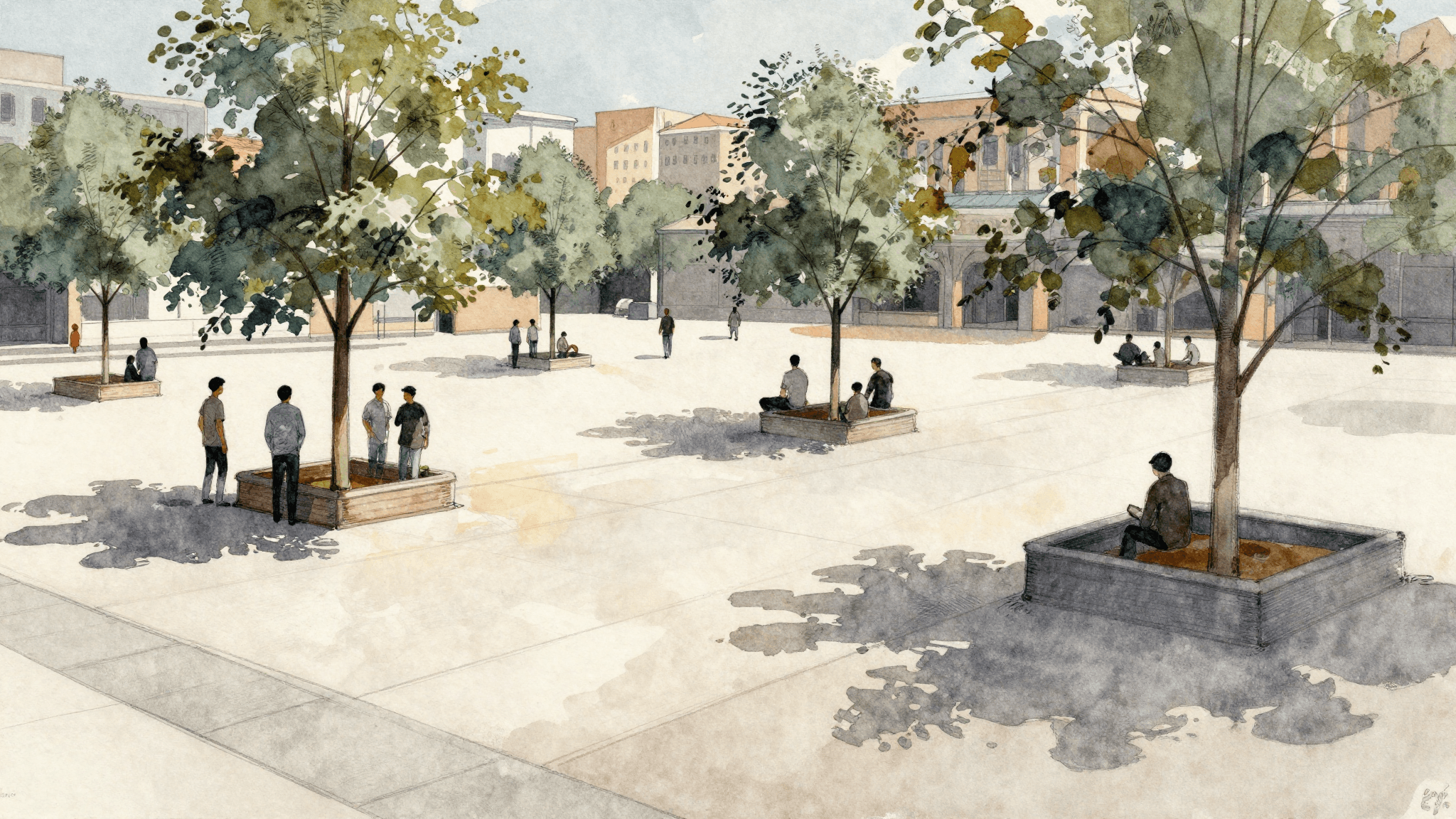
Mobile trees—deployable where traditional ground planting is impossible—are being promoted as a solution to cool Swiss cities during heat waves, according to Le Temps.
A study published in the journal Communications Earth & Environment found that planting trees can bring monthly maximum temperatures below 26°C in 83% of cities.
The same study shows that trees can reduce pedestrian-level temperatures by up to 12°C, thanks to protection from solar radiation and tree transpiration. Effectiveness varies depending on tree characteristics, urban morphology, and local climate conditions.
The numbers
Up to 12°C
Temperature reduction at pedestrian level thanks to trees
83%
Cities where tree planting brings monthly temperature peaks below 26°C
What remains uncertain
The effectiveness of using trees to lower temperatures is not uniform. It varies depending on tree characteristics, urban morphology, and local climate conditions.
What is a mobile tree?
A mobile tree is a deployable tree, designed to be installed in areas where traditional ground planting is not possible.
Why do Swiss cities heat up more than rural areas?
In urban environments, vegetation is reduced, soils are largely impermeable, and buildings are densely packed. These conditions create heat islands: heat accumulates during the day and dissipates slowly at night.
How much can trees lower temperatures in cities?
Up to 12°C at pedestrian level, according to a study in Communications Earth & Environment. This reduction is explained by protection from solar radiation and tree transpiration. Effectiveness varies based on local conditions.
Related articles
Latest articles
The illustrations in this article are generated by artificial intelligence.
Comments
No comments yet. Be the first to react.