…
World
U.S. Strike Pause on Iran: Brent Crude Plummets 6.4%
Herz — World Desk · · 30s summary · 3 min read
The essentials
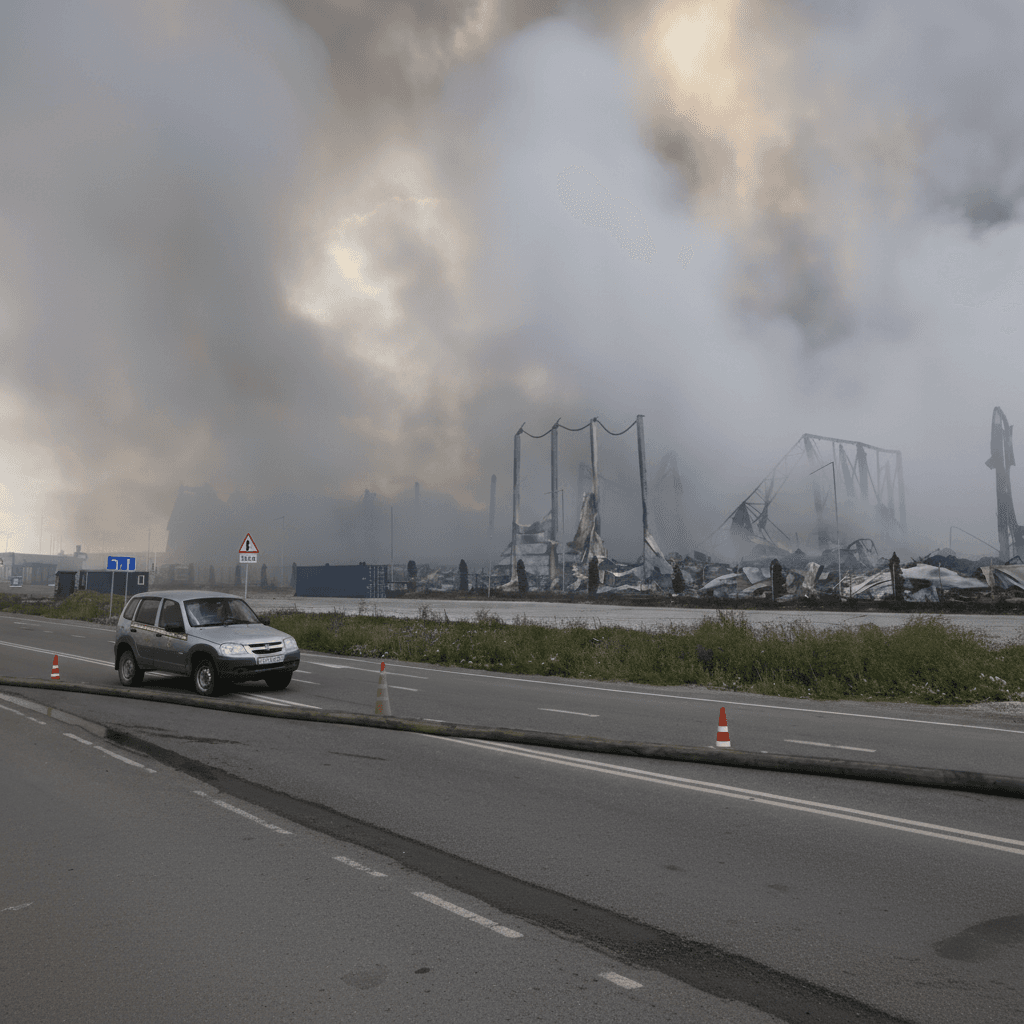
On July 27, 2026, the announcement of a pause in U.S. strikes on Iran caused Brent crude—the global oil benchmark—to plunge 6.43%, closing at $90.56 per barrel. Trading hit a low of $87.55 per barrel during the session before partially recovering. Iran also signaled it would suspend its own strikes, fueling hopes for de-escalation. Later that afternoon, reports from the German news agency DPA citing Pakistani intelligence sources indicated a possible limited U.S. ground offensive, triggering a partial rebound in prices.
- Brent crude falls 6.43% to $90.56/barrel following announcement of U.S. strike pause on Iran.
- Intraday low reached $87.55/barrel before partial recovery in afternoon trading.
- Iran also suspends its strikes, raising hopes for military de-escalation between the two countries.
- Pakistani intelligence reports suggest limited U.S. ground offensive becoming increasingly likely.
- Conflict ongoing since late February 2026; Brent exceeded $100/barrel for 13 consecutive nights of strikes.
What We Know
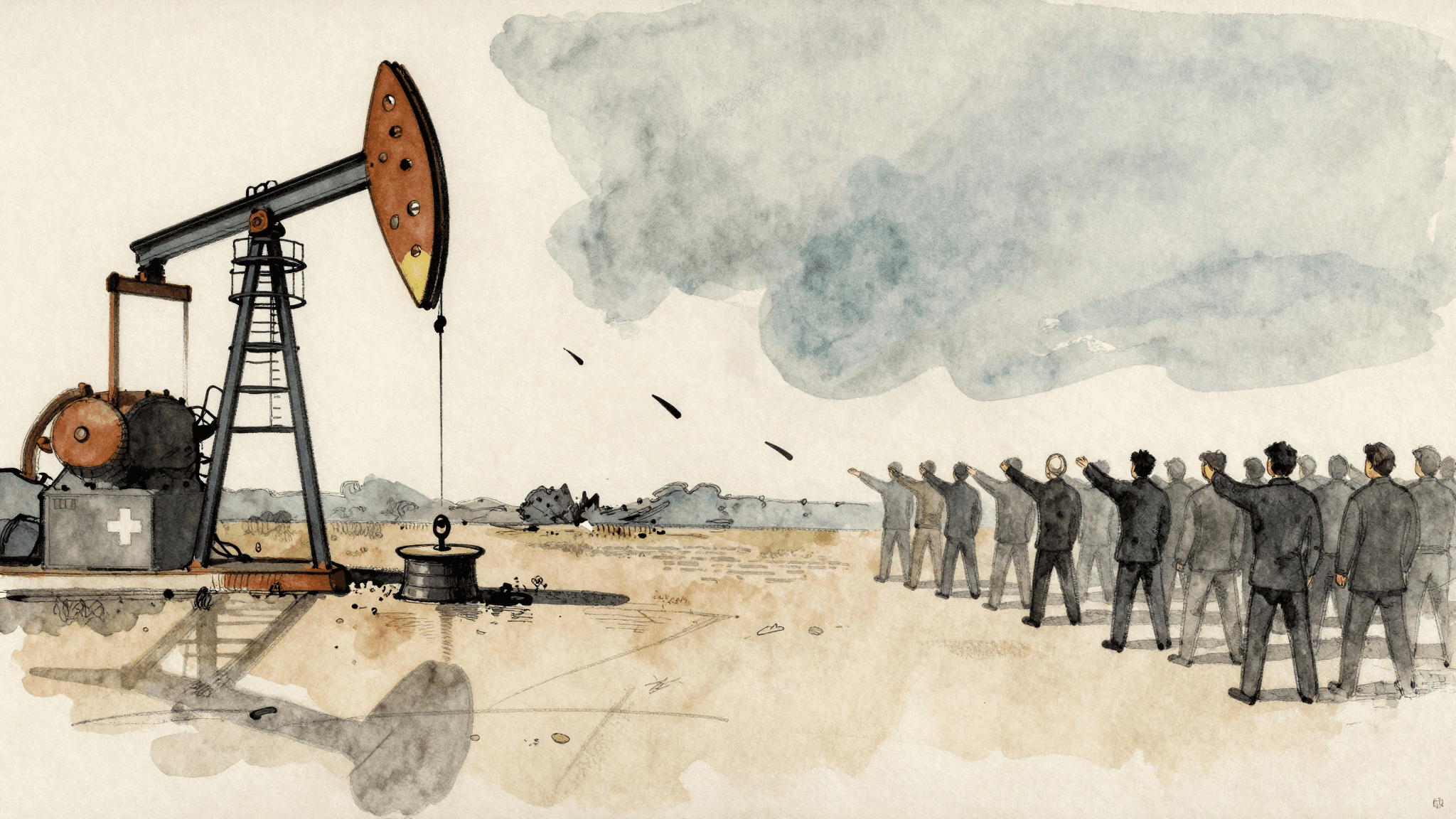
On July 27, 2026, the announcement of a pause in U.S. strikes on Iran triggered a sharp decline in Brent crude—the global oil benchmark extracted from the North Sea and traded in dollars per barrel on international markets. According to Handelsblatt and Wirtschaftswoche, the futures contract (September delivery) fell 6.43% to $90.56 per barrel.
During the trading session, the price temporarily dropped to $87.55 per barrel before partially recovering.
Iran also indicated it would suspend its own strikes for now, fueling hopes for de-escalation.
Partial Rebound Amid Ground War Concerns
On the afternoon of July 27, 2026, prices partially rebounded after reports from the DPA (Deutsche Presse-Agentur, the German national news agency founded in 1949 in Hamburg). According to sources from Pakistani intelligence services cited by the agency, a limited U.S. ground offensive appears increasingly probable.
According to these same sources, Donald Trump might disregard warnings from his own military leadership to seize Iranian coastal regions.
Pakistan plays a central mediation role between Washington and Tehran in this conflict, giving Islamabad considerable influence over oil market perceptions.
Context: Five Months of Conflict and 13 Nights of Strikes
Military conflict between the United States and Iran began in late February 2026.
Through the weekend of July 26-27, 2026, the United States conducted 13 consecutive nights of strikes on Iran. This escalation pushed Brent well above $100 per barrel throughout the strike series.
Timeline
- Late February 2026Start of military conflict between the United States and Iran.
- Late February – July 25, 2026United States conducts repeated strikes on Iran. Over the final 13 consecutive nights, Brent significantly exceeds $100 per barrel.
- Weekend of July 26-27, 2026United States announces pause in its strikes. Iran also indicates it will suspend its strikes, raising hopes for de-escalation.
- Brent (September delivery) drops 6.43% to $90.56/barrel. During trading, it hits a low of $87.55/barrel.
Topics
Related articles


Latest articles



The illustrations in this article are generated by artificial intelligence.
Comments
No comments yet. Be the first to react.