…
World
Trump Suspends U.S. Strikes Against Iran Pending Deal
Herz — World Desk · · 30s summary · 3 min read
The essentials
On August 2, 2026, Donald Trump announced the suspension of U.S. strikes against Iran at the request of Tehran and regional countries, pending a rapid agreement. The deal must include the complete opening of the Strait of Hormuz—a crucial maritime route for global oil exports—and the end of Iran's nuclear program. The announcement came two days after Trump had threatened to strike Iran "very hard." On August 1, Trump and Hamas separately announced a ceasefire agreement for Gaza, despite Israeli strikes that day killing two people.
- Trump suspends U.S. strikes against Iran at Tehran and regional countries' request
- Proposed deal requires complete opening of Strait of Hormuz and end to Iranian nuclear program
- Friday, July 31: Trump had threatened to strike Iran "very hard" at cabinet meeting
- August 1: Gaza ceasefire announced separately; Israeli strikes killed 2 despite talks

On August 2, 2026, Donald Trump announced the suspension of U.S. strikes against Iran at the request of Tehran and regional countries, pending a rapid agreement, according to Le Monde.
What We Know
The suspension is conditional. It is not a formal ceasefire but a unilateral pause designed to allow time for negotiations to proceed.
Two days earlier, on Friday, July 31, 2026, Trump had threatened at a cabinet meeting to strike Iran "very hard."
Conditions for an Agreement
Trump specified that any agreement with Iran must include "the immediate, complete, and total opening of the Strait of Hormuz" as well as "the end of the Iranian nuclear threat."
The Strait of Hormuz is a narrow maritime passage connecting the Persian Gulf to the Gulf of Oman and the Indian Ocean. A significant share of global crude oil and liquefied natural gas exports transits through it. Iran, as a riparian state, theoretically has the capacity to block the passage, making it a central geopolitical lever.
By "the end of the Iranian nuclear threat," Trump refers to Tehran's uranium enrichment program, which is assessed as potentially capable of leading to nuclear weapons development.
Context: Gaza and the Regional Crisis
These developments occur within a broader regional crisis. On August 1, 2026, Trump and Hamas separately announced an agreement to end the war in Gaza.
Israel had not, however, officially confirmed the agreement. Israeli strikes nevertheless took place that same day, killing two people and damaging hospital storage facilities in the Gaza Strip.
The current crisis around the Strait of Hormuz follows the Twelve Days' War—the armed conflict between Israel and then the United States against Iran from June 13–24, 2025, according to Wikipedia.
Timeline
- Friday, July 31, 2026At a cabinet meeting, Trump threatens to strike Iran "very hard."
- August 1, 2026Trump and Hamas separately announce an agreement to end the war in Gaza. Israel does not officially confirm the deal.
- August 1, 2026Israeli strikes on Gaza kill two people and damage hospital storage facilities.
Topics
Related articles



Latest articles



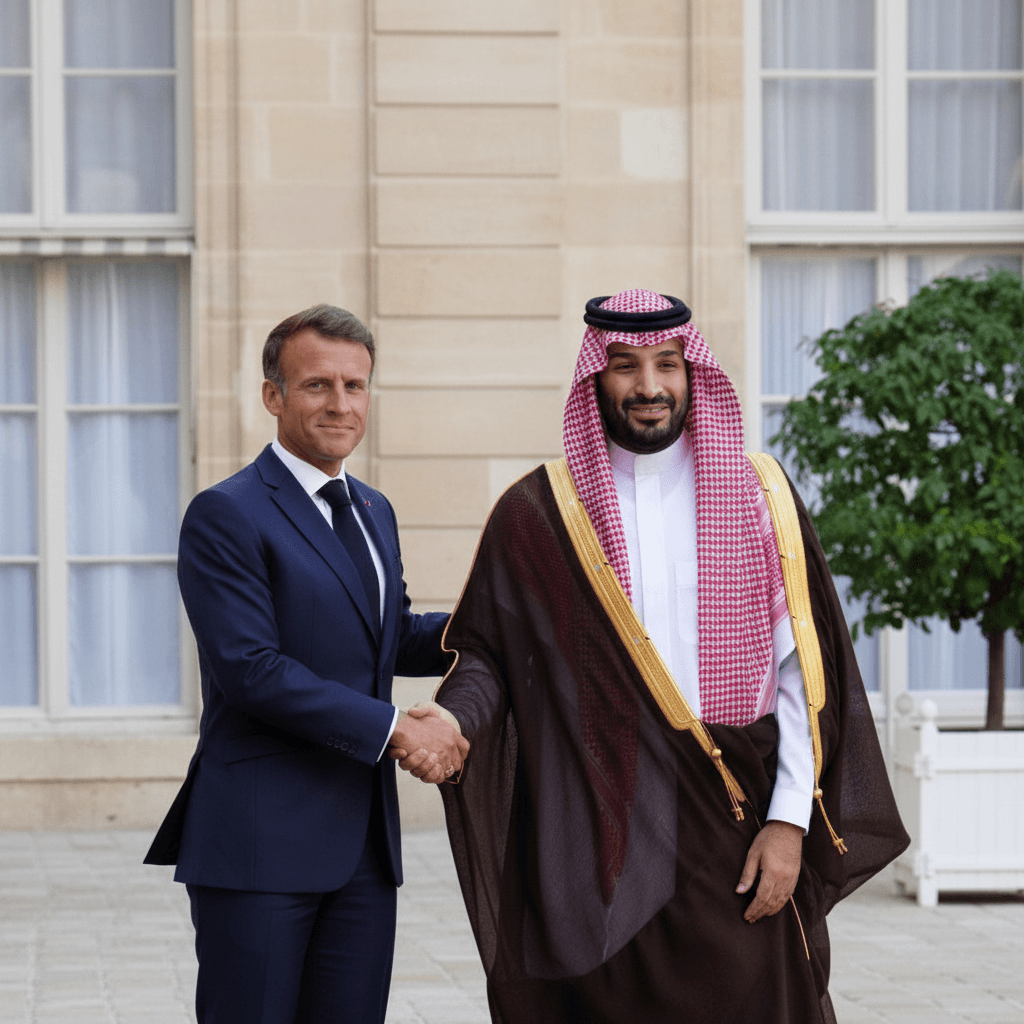
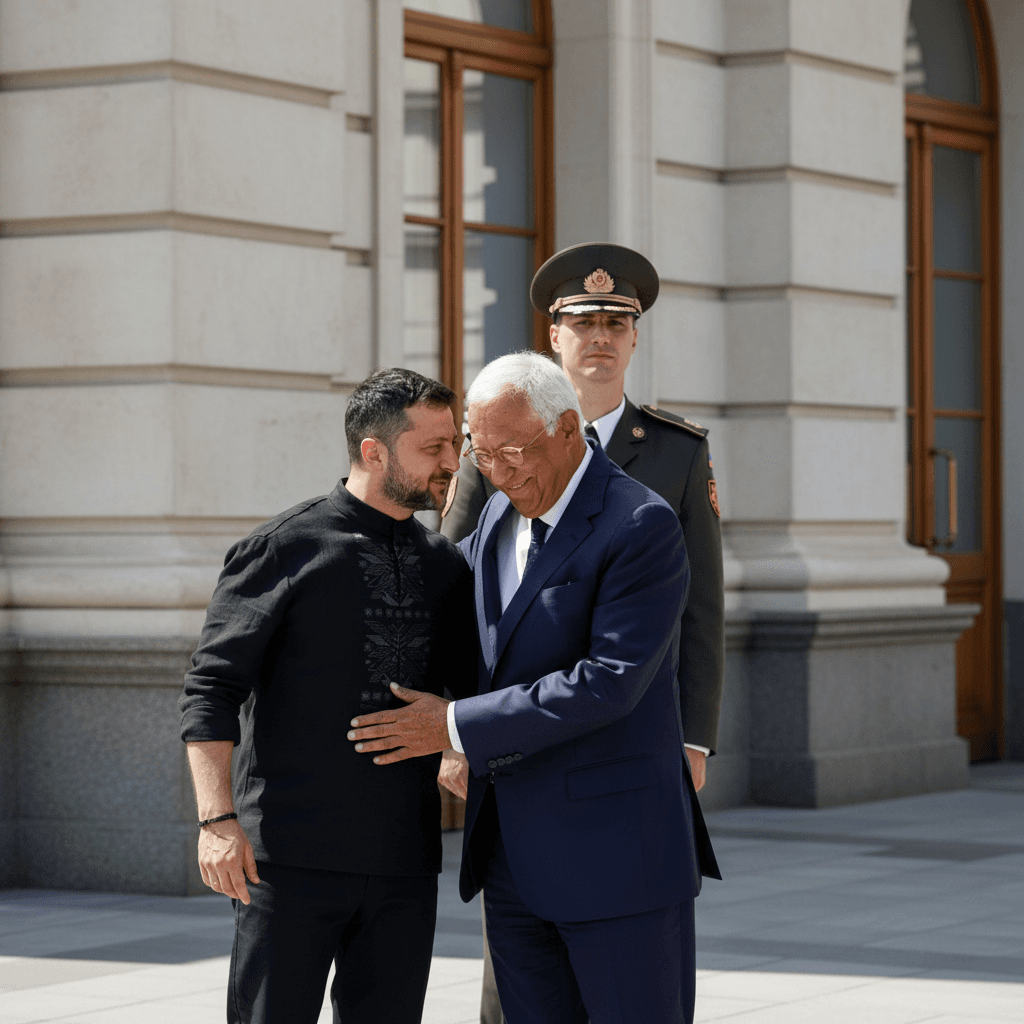
The illustrations in this article are generated by artificial intelligence.
Comments
No comments yet. Be the first to react.