…
World
One Day Off Isn't Enough: Why You Need More Time to Really Recover
Herz — World Desk · · 30s summary · 2 min read
The essentials
According to psychologists and relaxation trainers interviewed by Zeit.de on July 31, 2026, time off is biologically necessary but frequently misused. A single day off rarely compensates for an intense week of stress — experts describe it as "a bandage on an overheating system." Leisure time is genuinely restorative when it is active, self-determined, and clearly distinct from work. Daily micro-breaks and relaxation techniques can supplement these days off. If exhaustion persists for weeks despite rest and disconnection, professional help is recommended.
- A single day off rarely provides meaningful recovery from an intense week of workplace stress.
- Active, self-determined leisure is more restorative than passive screen time.
- Daily micro-breaks, 4-8 breathing, mindfulness exercises, and bedtime task lists enhance recovery.
- Persistent exhaustion lasting weeks requires professional mental health support.
What We Know
On July 31, 2026, Zeit.de published analyses from psychologists and relaxation trainers on how we use days off. Their conclusion: recovery from stress is biologically necessary, but a single day off is most often insufficient.
a bandage on an overheating system
— Experts cited by Zeit.de, July 31, 2026
Leisure time is considered genuinely restorative when it is active, self-determined, and clearly different from work. Examples include jogging, visiting a museum, forest bathing (Waldbaden), or a walk in an urban park.
Conversely, passive consumption — couch and continuous television — is described as exploiting the remains of your workday and is less effective for regeneration.
TV series, video games, and social media are not inherently harmful. They become problematic only when work emails, the need for control, or a lack of ideas turn screen time into an endless loop and replace social contact.
Practical Techniques for Better Recovery
The article recommends not waiting for days off to decompress. Incorporating daily micro-breaks, Schultz autogenic training — a therapeutic relaxation technique designed to ease stress and anxiety — and other daily routines can compensate for insufficient time off alone.
Among the quick techniques suggested: 4-8 breathing (inhale for 4 counts, exhale for 8), mindfulness exercises, and writing a task list before bed.
When to See a Professional
If days off no longer suffice for recovery, if sleep and disconnection fail, and if exhaustion persists for weeks, experts warn that this exceeds the scope of lifestyle advice. Professional help is then likely necessary.
What Remains Uncertain
The Zeit.de article does not provide numerical data on the proportion of workers affected by poorly managed exhaustion. No specific statistics for Switzerland or other countries are available from the sources consulted.
Can a single day off really be enough to recover?
Rarely, according to experts cited by Zeit.de. A single day off following an intense week of stress is compared to a bandage that doesn't address the root cause of exhaustion.
What activities are most effective during time off?
Active, self-determined activities clearly different from work are most restorative: jogging, museum visits, forest bathing, or park walks.
Topics
Related articles
Latest articles
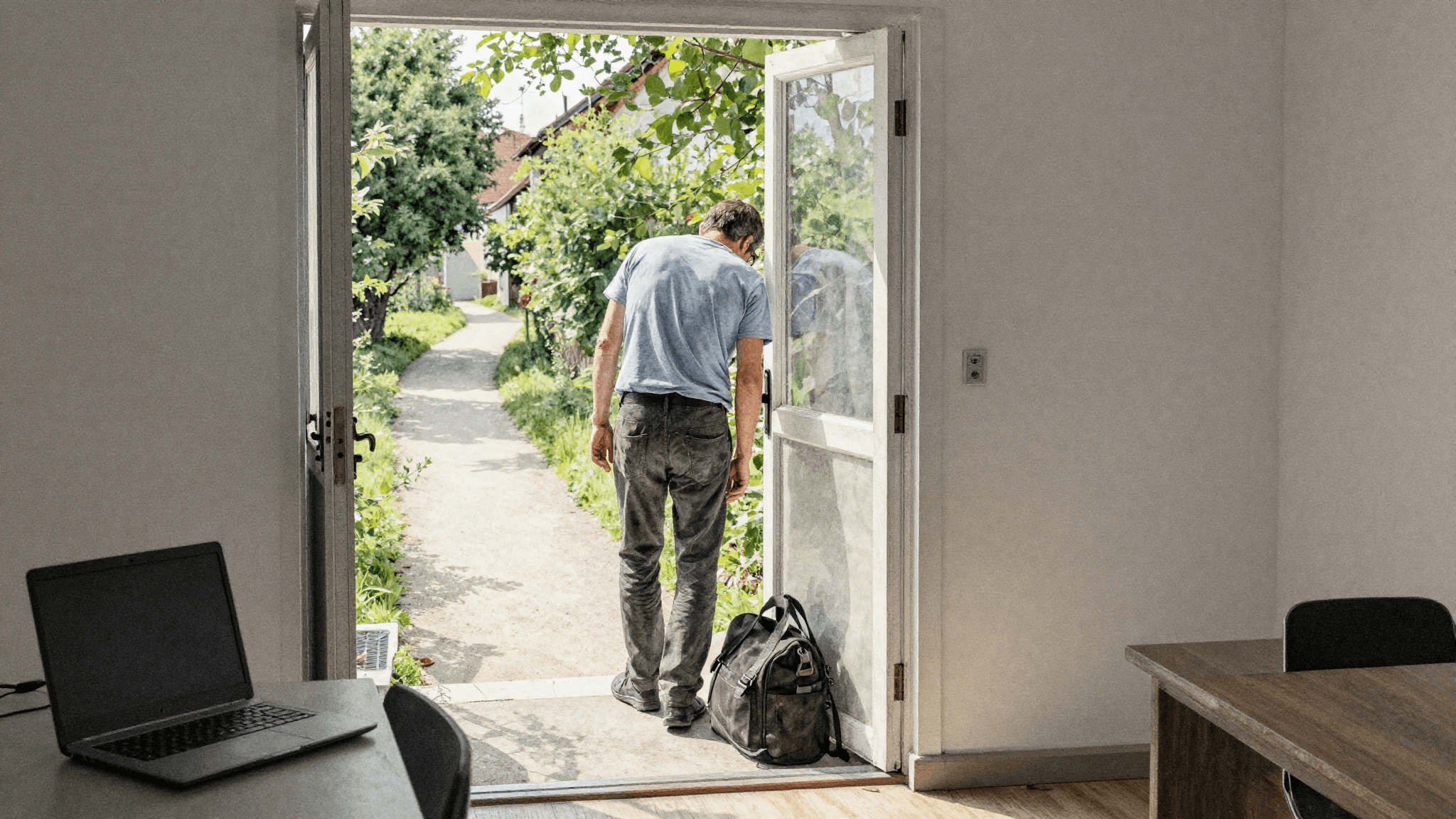
The illustrations in this article are generated by artificial intelligence.
Comments
No comments yet. Be the first to react.