…
World
Marcinelle 1956: 70 Years Later, Eight Victims of Mining Disaster Still Unidentified
Herz — World Desk · · 30s summary · 1 min read
The essentials
Seventy years after the Bois du Cazier mining disaster—a coal mine near Charleroi, Belgium—eight of the 262 miners killed on August 8, 1956 remain unidentified, according to Le Monde. In 2021, the fourteen previously unknown bodies were exhumed for DNA analysis. Six of them have since been formally identified. August 8, 2026 marks the 70th anniversary of what remains the deadliest mining disaster in Belgian history.
- 262 miners killed in the Bois du Cazier coal mine fire on August 8, 1956
- 14 bodies of unidentified victims exhumed in 2021 for DNA analysis
- 6 victims identified through DNA analysis since 2021
- 8 bodies remain without established identity as of August 7, 2026
- August 8, 2026: 70th anniversary of Belgium's deadliest mining disaster
What We Know
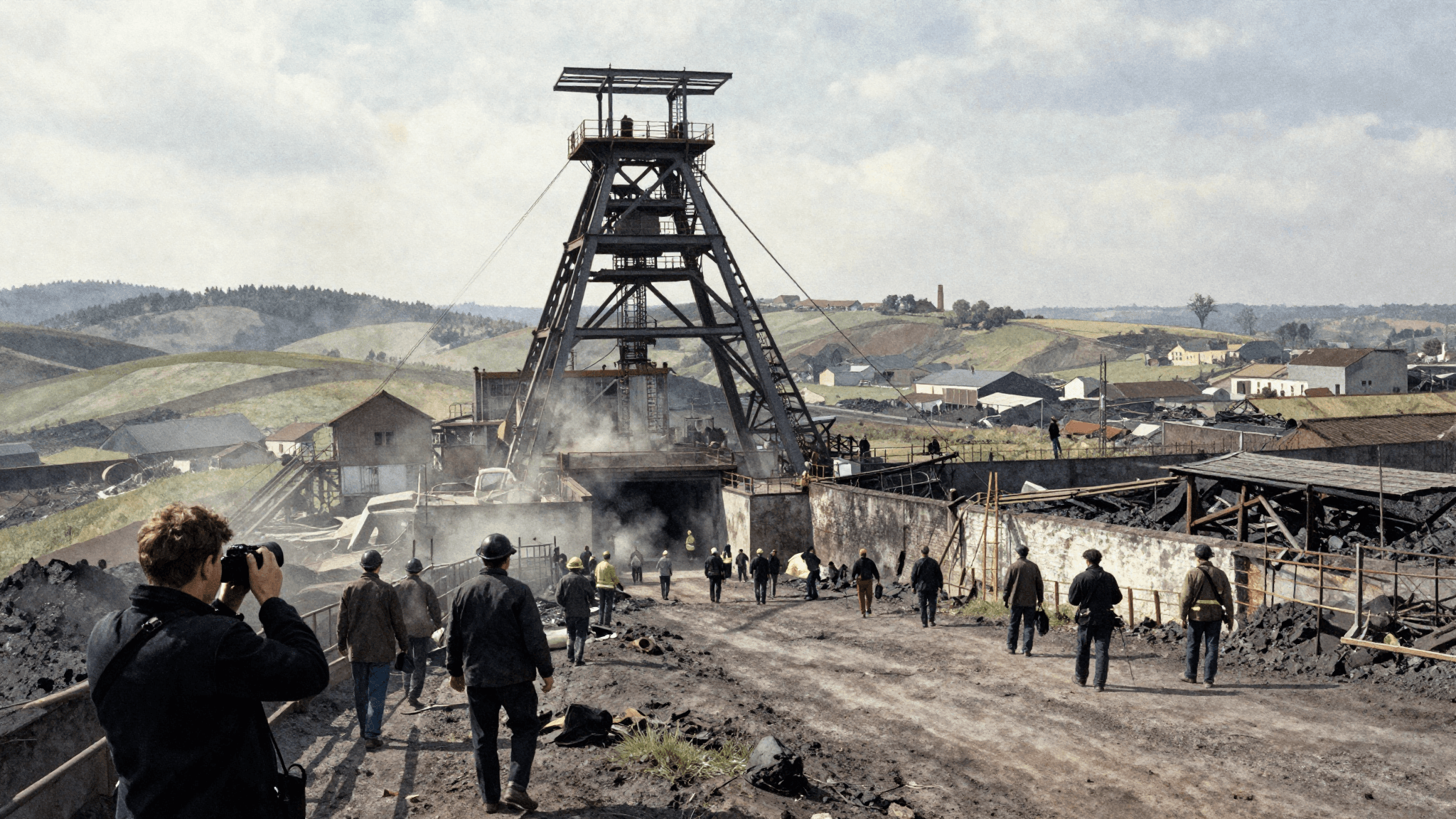
Belgium commemorates August 8, 2026 as the 70th anniversary of the Bois du Cazier disaster, which occurred in Marcinelle, near Charleroi. This location housed a coal mine since 1822, according to Wikipedia. On August 8, 1956, a fire there killed 262 miners—the highest toll in Belgian mining history, according to Le Monde.
Seventy years later, eight victims remain unidentified. In 2021, the fourteen bodies previously unknown were exhumed for DNA analysis. Six of them have since been identified; eight remain without established identity as of August 7, 2026.
Timeline
- August 8, 1956A fire at the Bois du Cazier coal mine in Marcinelle kills 262 miners—the deadliest mining disaster in Belgian history.
- 2021The fourteen victims previously unidentified are exhumed for DNA analysis.
- August 7, 2026Six of the fourteen exhumed victims have been identified through DNA analysis; eight remain without identity.
- August 8, 202670th anniversary of the Bois du Cazier disaster.
The Numbers
262
Miners killed in the August 8, 1956 fire
14
Victims' bodies exhumed in 2021 for DNA analysis
6
Victims identified through DNA analysis by August 7, 2026
Topics
Related articles
Latest articles
The illustrations in this article are generated by artificial intelligence.
Comments
No comments yet. Be the first to react.