…
World
Iran–US Conflict: Water Plants Targeted, Ninth Night of Strikes on Iran
Herz — World Desk · · 30s summary · 3 min read
The essentials
On July 18 and 19, 2026, desalination plants were hit on both sides of the Iran–US conflict. A facility south of Kuwait City was destroyed by drones over two consecutive days, while American strikes damaged an Iranian plant, temporarily cutting off drinking water to approximately 10,000 villagers. On the night of July 20, 2026, the United States carried out its ninth consecutive night of strikes on Iran, striking Tabriz for the first time. Tehran has also declared void the ceasefire signed in mid-June 2026.
- American strikes damage Iranian desalination plant on July 19; ~10,000 villagers lose water access
- Kuwaiti desalination plant destroyed by drones on July 18 and 19
- Ninth night of American strikes on July 20 hits Tabriz for the first time
- Two tankers seized by Revolutionary Guards in Strait of Hormuz
- Tehran nullifies Islamabad Declaration ceasefire signed in mid-June 2026
What We Know
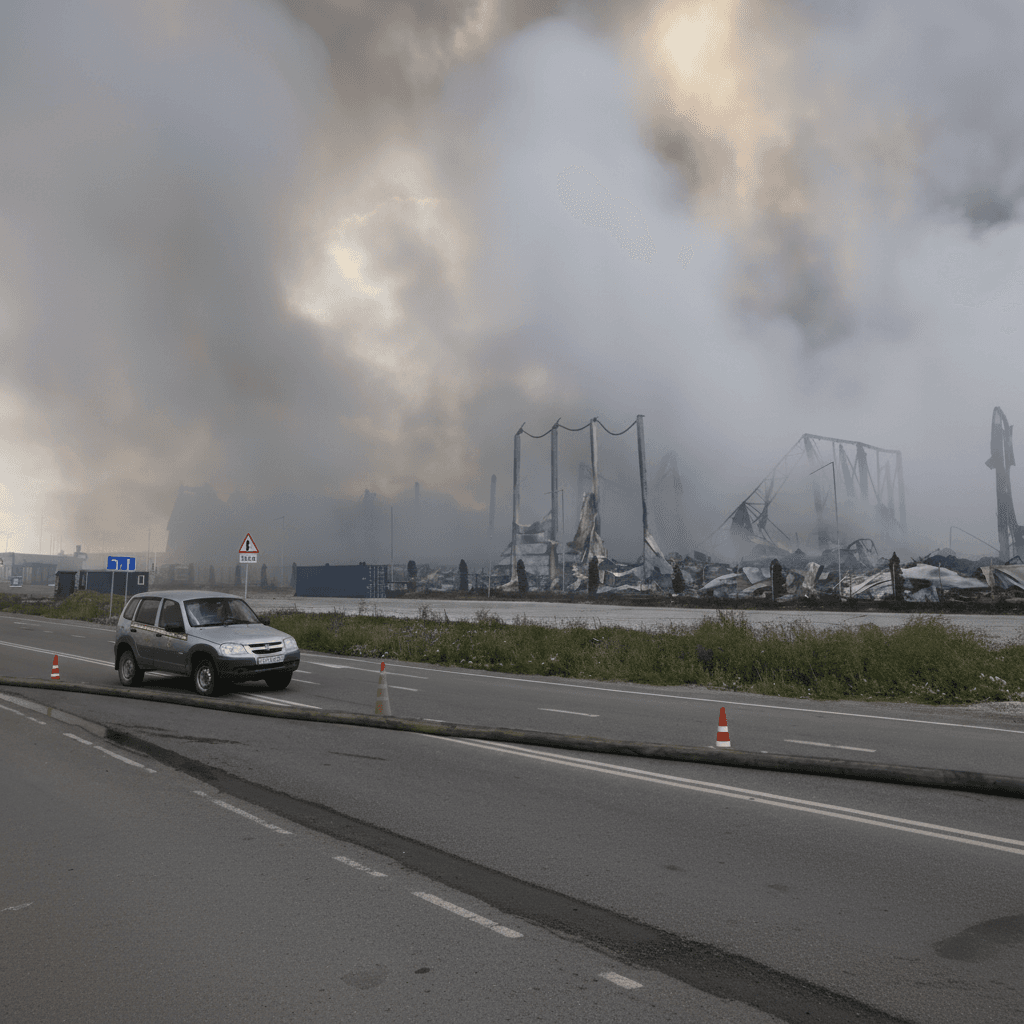
Over the weekend of July 18–20, 2026, attacks by both sides targeted water supply installations in the Gulf region, according to Le Temps. This is the first time since March 2026 that such infrastructure has been targeted again.
On July 19, 2026, American strikes reportedly damaged a desalination plant near Iran's Persian Gulf coast. These facilities convert seawater into drinking water. Approximately twenty villages experienced water cuts, temporarily depriving roughly 10,000 villagers of access to drinking water.
Iran announced that the damaged facility had since been repaired.
In Kuwait, a desalination plant south of Kuwait City was destroyed on July 18, 2026, according to Kuwaiti authorities. The facility was attacked a second time the next day by hostile drones.
The Gulf Region's Dependence on Desalination
The Gulf region relies very heavily on desalinated water for daily consumption. Its desalination infrastructure is therefore particularly vulnerable during periods of conflict.
However, experts believe water is unlikely to become a major new front in the Iran–US conflict.
Ninth Consecutive Night of American Strikes
On the night of July 20, 2026, the United States conducted its ninth consecutive night of strikes on Iran. The cities of Sirik, Jask, Tabriz, Chabahar, Mahshahr, and the Imam Khomeini port were targeted. Tabriz, in the northwest of the country, was struck for the first time since the escalation began.
The stated objective of the US military is to degrade Iranian capabilities that threaten navigation in the Strait of Hormuz. Washington also maintains a naval blockade against Iran.
Iranian Actions
On July 20, 2026, the Islamic Revolutionary Guards Corps—Iran's paramilitary organization directly answerable to the Supreme Leader, the chief of state—seized two tankers in the Strait of Hormuz. They also claimed to have targeted American aircraft in Jordan.
In Jordan, two American soldiers were killed in Iranian missile and drone attacks, and a third went missing. The exact date of these events differs among available sources.
Tehran declared the Islamabad Declaration—a non-binding ceasefire agreement signed in mid-June 2026—void. There is now no formal ceasefire between the belligerents.
Timeline
- February 28, 2026Start of conflict between the United States and Iran.
- First attacks on desalination plants since the conflict began.
Topics
Related articles


Latest articles



Comments
No comments yet. Be the first to react.