…
World
Iran-U.S.: Ninth Night of American Strikes, Tabriz Targeted for First Time
Herz — World Desk · · 30s summary · 3 min read
The essentials
On the night of July 20, 2026, the United States launched its ninth consecutive night of strikes on Iran, targeting Sirik, Jask, Tabriz, Chabahar, Mahshahr, and Imam Khomeini port. Tabriz, in the country's northwest, was hit for the first time since the escalation began. The U.S. military states it aims to degrade Iranian capabilities threatening navigation in the Strait of Hormuz. Since the conflict began on February 28, 2026, 17 American soldiers have been killed and over 420 have been wounded.
- Ninth consecutive night of U.S. strikes on Iran on July 20, 2026.
- Tabriz (northwest) targeted for the first time since the escalation began.
- 17 American soldiers killed, over 420 wounded since February 28, 2026.
- Kuwait's desalination plant attacked two consecutive days by hostile drones.
- Washington maintains a naval blockade; Tehran retaliates with missiles from Lorestan.
What We Know
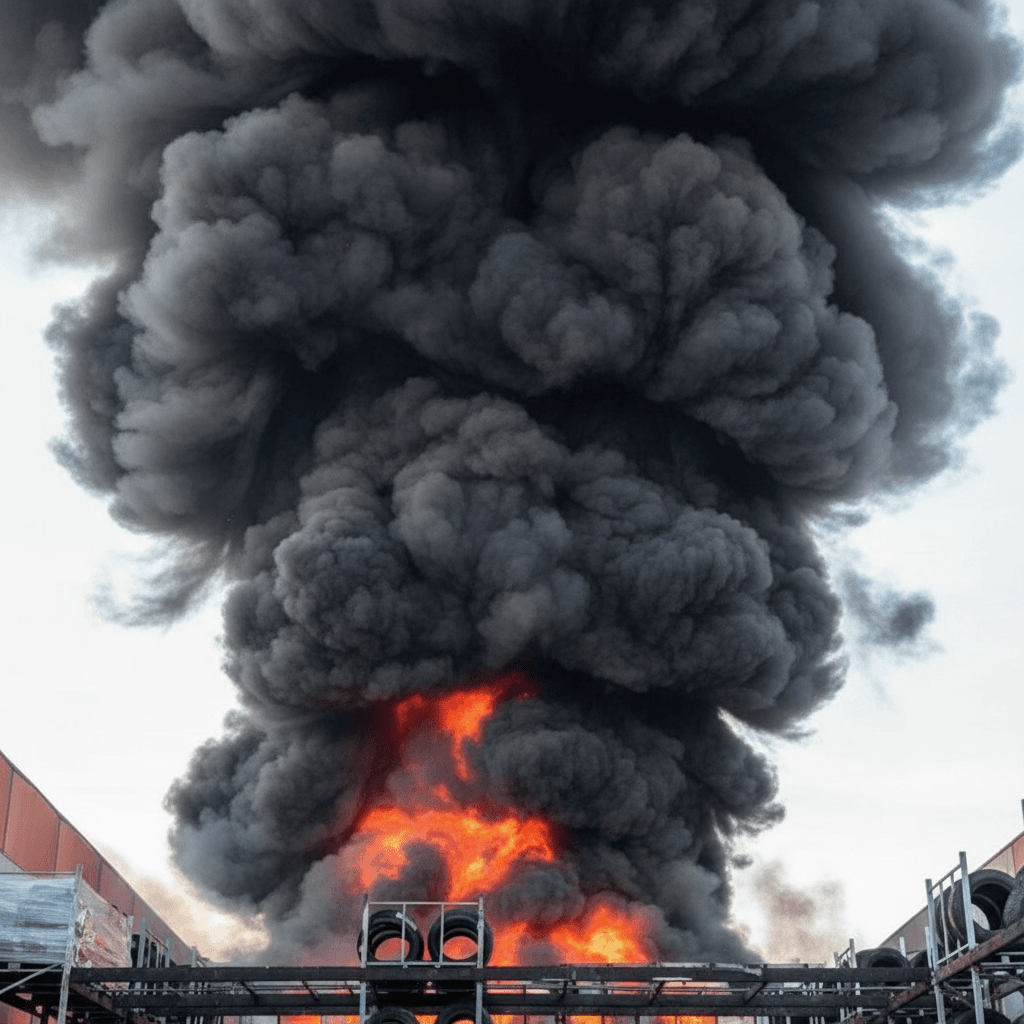
For the ninth consecutive night, the United States struck Iran during the night of July 20, 2026, according to Al Jazeera. Explosions were reported in six locations: Sirik, Jask, Tabriz, Chabahar, Mahshahr, and Imam Khomeini port.
Tabriz, in northwestern Iran, was hit for the first time since this escalation phase began. Three explosions were heard there, according to Al Jazeera's correspondent in Tehran.
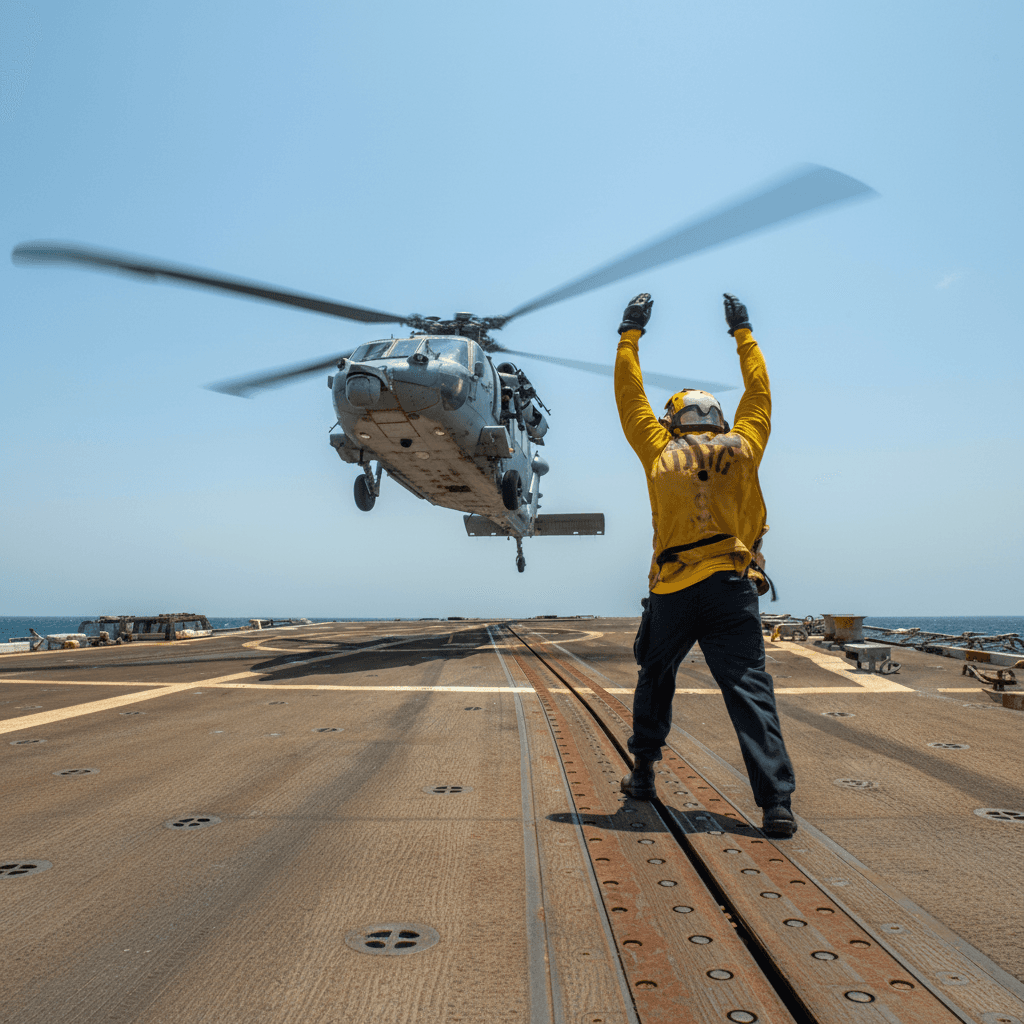
The U.S. military justified these strikes as necessary to degrade Iranian military capabilities used to attack commercial ships and sailors transiting the Strait of Hormuz.
In retaliation, Iranian media reported a new wave of missiles launched from Lorestan Province, targeting American military assets in the region.
The Strait of Hormuz at the Heart of the Conflict
Washington maintains a naval blockade on Iranian ports. Tehran says it is targeting ships that violate its navigation rules in the Strait of Hormuz.
The Islamic Revolutionary Guards (IRGC) stated that four ships attempted to transit the strait via a 'dangerous route' with American support. Two reportedly turned back; the other two were reportedly involved in an 'incident,' with no further details provided.
U.S. Central Command (CENTCOM), which oversees American military operations in the Middle East, said it redirected six commercial ships and immobilized another to ensure 'full compliance' with the blockade.
American Losses and Regional Strikes
One American soldier was killed on July 19, 2026, in northern Iraq during a 'controlled detonation of unexploded ordnance' from a downed Iranian drone.
On July 18, 2026, two American soldiers were killed in Jordan during an Iranian attack. 'Unidentified remains' were found at the site; a third soldier was reported missing in action.
17
American soldiers killed since the conflict began
420+
American soldiers wounded since the conflict began
The Region Under Pressure
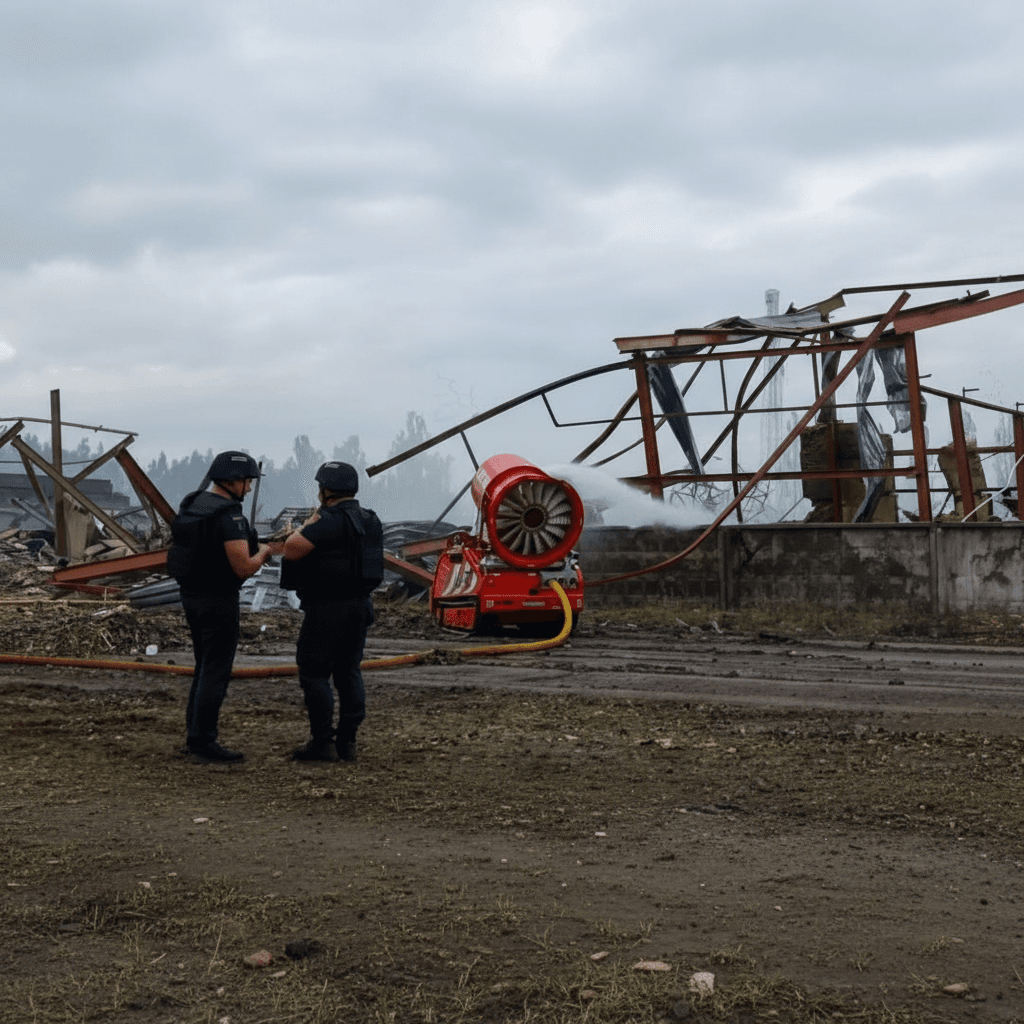
Kuwait reported 'hostile drone threats' and its desalination plant was attacked for the second consecutive day on July 19, 2026, causing a fire. This strike is considered a direct hit on vital civilian infrastructure.
In Bahrain, air-raid sirens sounded for the second time on July 19, 2026. In Jordan, the military announced it had intercepted three Iranian missiles.
Context
Topics
Related articles
Latest articles

Comments
No comments yet. Be the first to react.