…
World
Iran strikes civil infrastructure in Bahrain, Kuwait and Jordan
Herz — World Desk · · 30s summary · 3 min read
The essentials
Iran has conducted strikes on civilian infrastructure in Bahrain, Kuwait and Jordan, according to France 24 and Le Monde. The Islamic Revolutionary Guard Corps (IRGC), Iran's paramilitary force, claimed responsibility for the attacks as a response to U.S. strikes on Iranian infrastructure. The secretary-general of the Gulf Cooperation Council (GCC), which brings together six Arab monarchies including Kuwait and Bahrain, condemned the strikes as war crimes and a grave violation of international law. Iran's Deputy Foreign Minister Kazem Gharibabadi publicly embraced the retaliation logic on July 18, 2026.
- Iran strikes civil infrastructure in Kuwait, Bahrain and Jordan.
- Islamic Revolutionary Guard Corps claims strikes in response to U.S. attacks.
- GCC condemns attacks as war crimes and grave violation of international law.
- Strike on Kuwait documented on July 14, 2026.
- Tehran publicly assumes retaliation rationale.
What we know
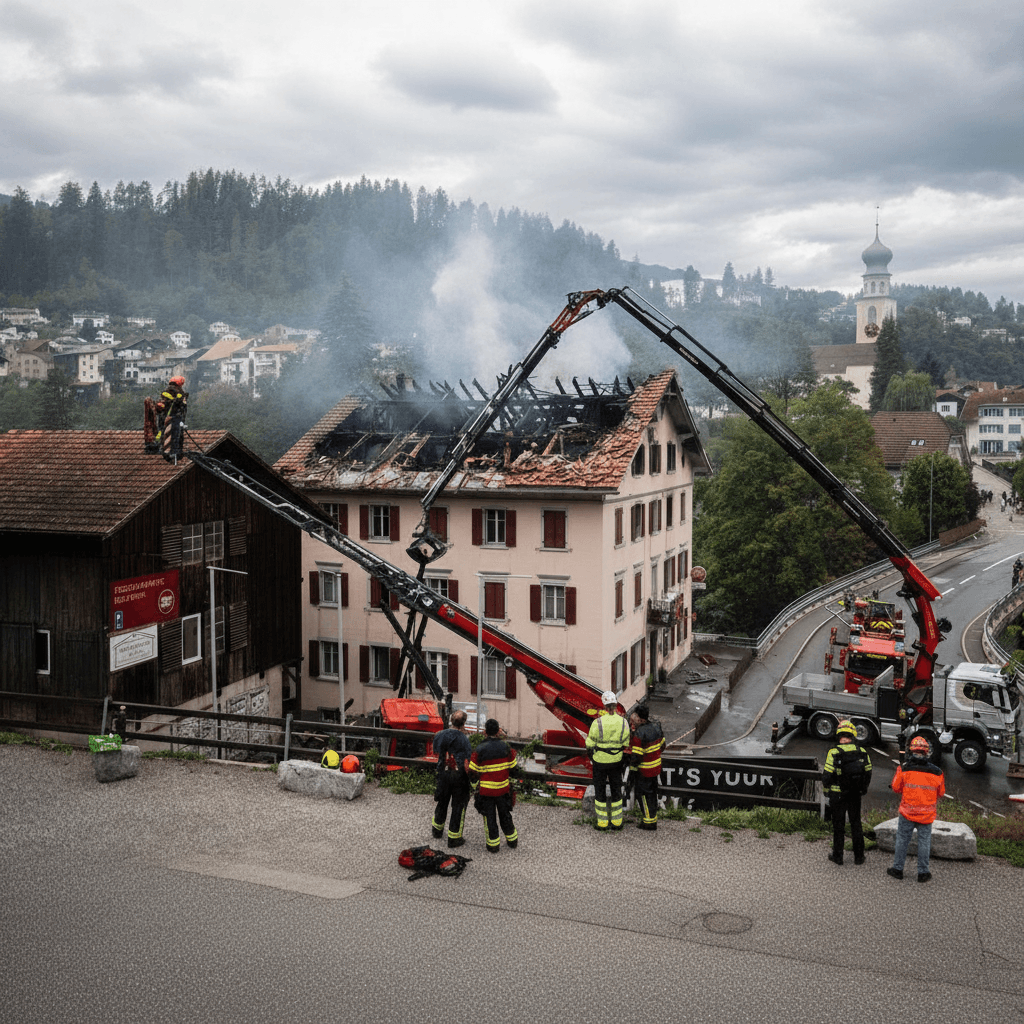
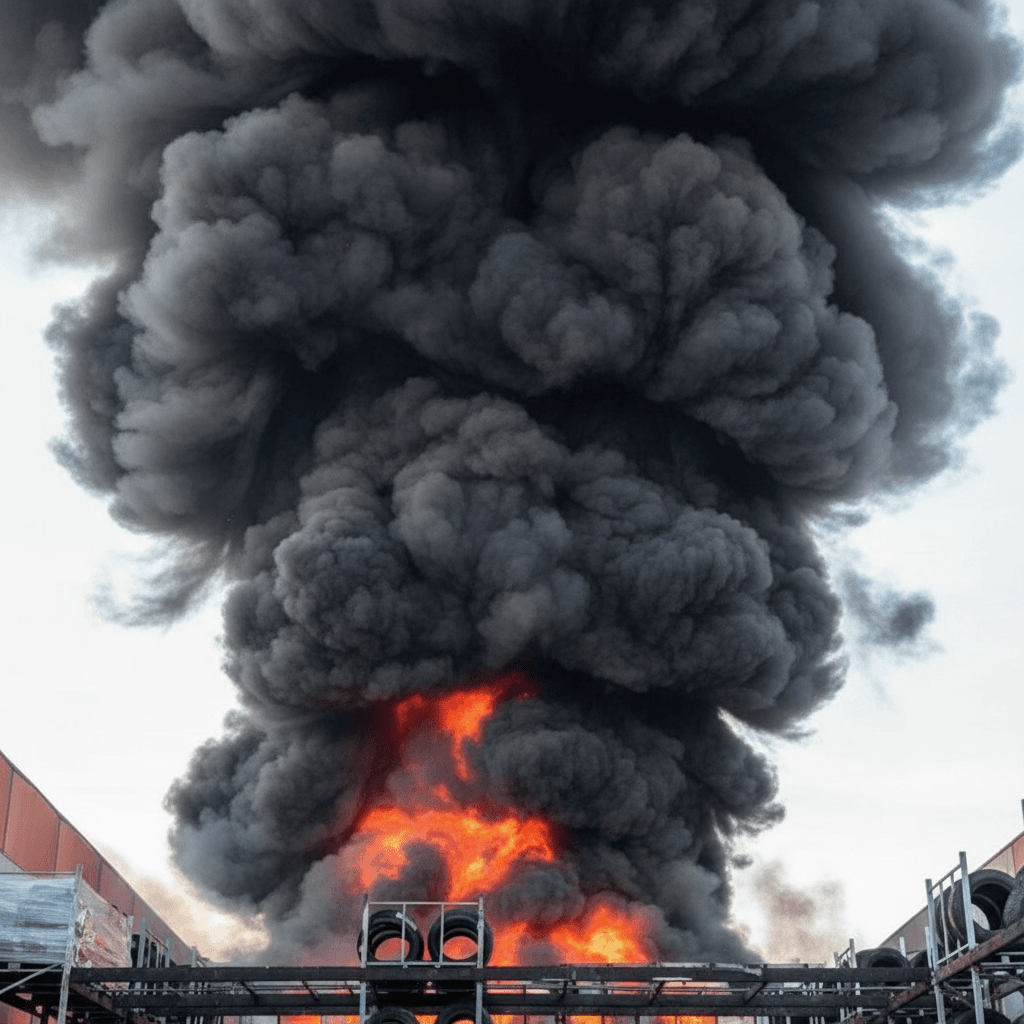
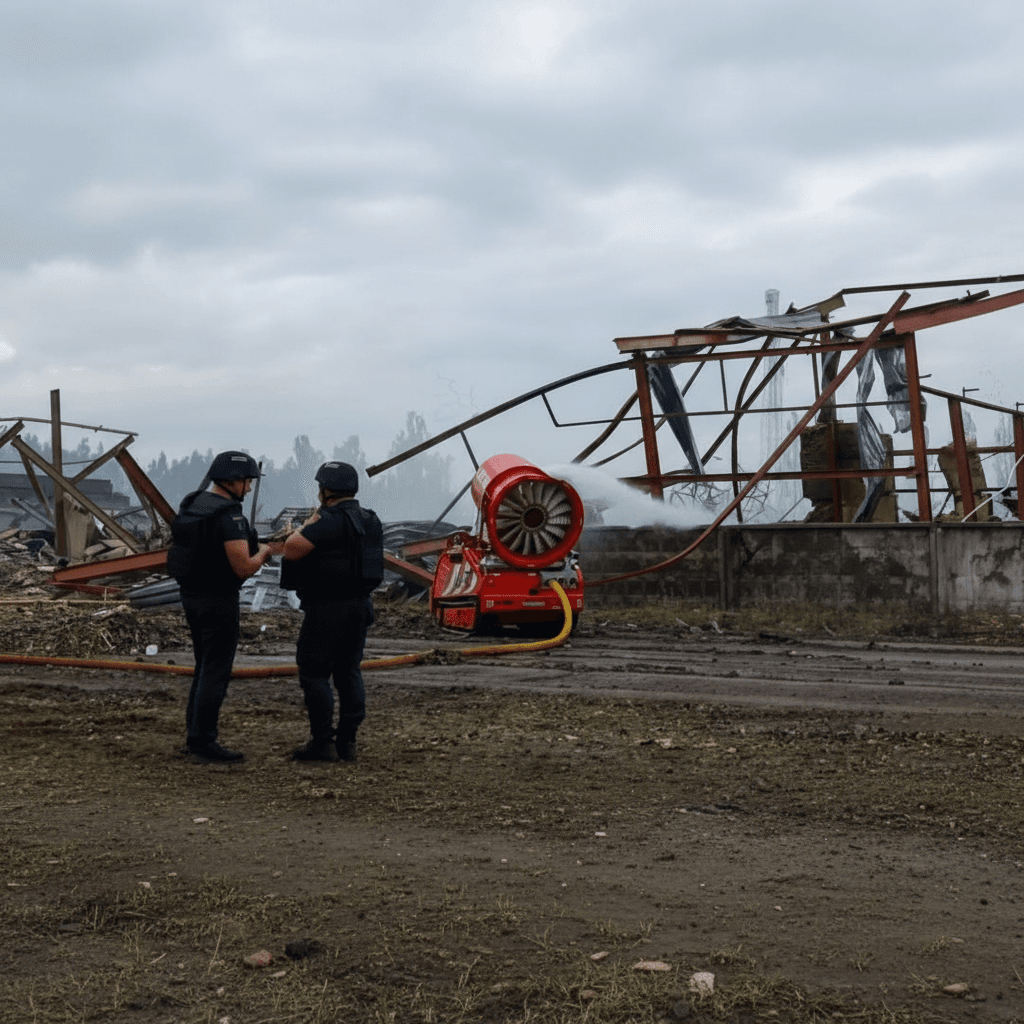
Iran has conducted strikes on civilian infrastructure in Bahrain, Kuwait and Jordan, according to France 24 and Le Monde. A strike on Kuwaiti territory is documented on July 14, 2026.
The secretary-general of the Gulf Cooperation Council (GCC), a regional organization bringing together six Arab monarchies of the Persian Gulf—including Kuwait and Bahrain, two of the targeted states—described these actions as an "extremely dangerous escalation, grave violation of international law and war crimes."
Iran's claims
The Islamic Revolutionary Guard Corps (IRGC), Iran's paramilitary force placed under the direct authority of Iran's Supreme Leader, claimed responsibility for the strikes. It presented them as a response to U.S. attacks on bridges, tunnels and desalination plants—facilities that produce fresh water from saltwater or brackish water—on Iranian soil.
On July 18, 2026, Iran's Deputy Foreign Minister Kazem Gharibabadi declared that Iran had "no choice but to teach a lesson to the aggressors."
Background
The GCC comprises six Arab monarchies on the Persian Gulf: Saudi Arabia, Oman, Kuwait, Bahrain, the United Arab Emirates and Qatar. Bahrain and Kuwait, two of the struck states, are founding members.
The IRGC is distinct from Iran's regular armed forces. It reports directly to Iran's Supreme Leader and maintains its own land, naval and air capabilities.
Timeline
- July 14, 2026An Iranian strike on Kuwait is documented, dated by the image caption published by France 24.
- July 18, 2026The GCC secretary-general condemns Iranian strikes on Bahrain, Kuwait and Jordan as war crimes. Iran's Deputy Foreign Minister Kazem Gharibabadi publicly embraces the retaliation rationale.
Quotes
Extremely dangerous escalation, grave violation of international law and war crimes.
— Secretary-general of the Gulf Cooperation Council, July 18, 2026
Topics
Related articles

Latest articles
Comments
No comments yet. Be the first to react.