…
World
Federal U.S. Judge Backs Trump Administration's Decision to End South Sudan TPS
Herz — World Desk · · 30s summary · 3 min read
The essentials
On August 7, 2026, Federal Judge Patti Saris of the Massachusetts District Court upheld the termination of TPS (Temporary Protected Status), a temporary protection status established by a 1990 U.S. law, for South Sudanese nationals in the United States. She rejected appeals from several immigrant advocacy organizations, according to The Guardian. This decision is part of a broader series of TPS terminations pursued by the Trump administration, following a June 2026 Supreme Court ruling that authorized TPS elimination for more than 350,000 Haitian and approximately 6,100 Syrian nationals. More than 232 South Sudanese nationals are directly affected.
- Judge Patti Saris upholds end of TPS for South Sudanese nationals on August 7, 2026
- More than 232 South Sudanese and 73 pending applications directly affected
- Supreme Court authorized TPS termination for Haitian and Syrian nationals in June 2026
- Judge Saris previously blocked the measure before reversing course in August ruling
- DHS cited South Sudan's failure to meet TPS program requirements
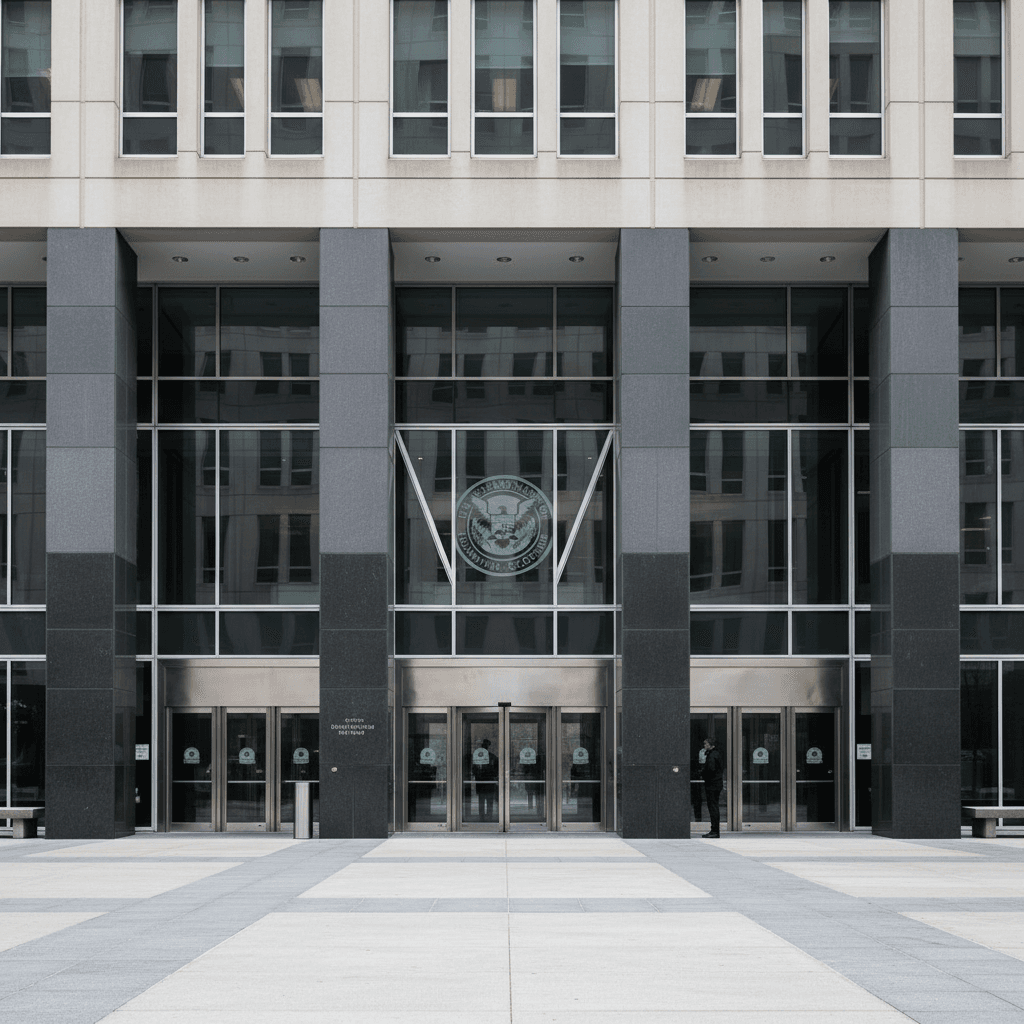
What We Know
On August 7, 2026, Federal Judge Patti Saris of the Massachusetts District Court upheld the termination of TPS (Temporary Protected Status), a temporary protection status established by a 1990 U.S. law, for South Sudanese nationals in the United States. According to The Guardian, she rejected appeals from several immigrant advocacy organizations, including New York-based African Communities Together.
The ruling marks a reversal: the same judge had previously blocked the measure through an earlier injunction from the Department of Homeland Security (DHS), created in 2002 in response to the September 11, 2001 attacks. More than 232 South Sudanese nationals and at least 73 pending applications are affected by the TPS termination.
In her 15-page ruling, Saris concluded that the plaintiffs' argument was 'self-contradictory': if the DHS lacked authority to terminate the South Sudan TPS, it would not have had authority to establish it initially.
The plaintiff organizations challenged the DHS's authority, arguing that the 1990 law mentioned only the U.S. Attorney General. Judge Saris concluded that Congress transferred these powers to the DHS when it transferred immigration functions from the Department of Justice.
James Percival, DHS general counsel, responded on X, calling on all judges handling other TPS cases to issue similar rulings.
Background
In June 2026, the U.S. Supreme Court ruled 6-3 in favor of the Trump administration, authorizing the termination of TPS for more than 350,000 Haitian nationals and approximately 6,100 Syrian nationals, overturning lower court injunctions from New York and Washington, D.C.
South Sudan, which gained independence in 2011, has been devastated by civil war and ethnic violence that killed more than 400,000 people. The country received its first TPS designation upon independence in 2011.
The DHS decided in November to terminate South Sudan's TPS, citing the country's failure to meet program requirements. The Trump administration is terminating TPS for nationals of countries to which the U.S. government itself applies its highest-level travel warnings, including South Sudan, Haiti, and Syria.
The Numbers
Haitian nationals350000
Syrian nationals
Topics
Related articles
Latest articles
The illustrations in this article are generated by artificial intelligence.
Comments
No comments yet. Be the first to react.