…
World
India: Thirty Years Later, Slain Activist's Daughter Still Demands Truth
Herz — World Desk · · 30s summary · 4 min read
The essentials
Jaswant Singh Khalra, a 42-year-old bank director and human rights activist, was kidnapped and murdered by Indian police on September 6, 1995, in Amritsar. His body was never found. Khalra had documented thousands of forced disappearances during the crackdown on the Sikh separatist movement in Punjab. Five police officers were sentenced to life imprisonment for his murder. In July 2026, a film about his story was blocked by the Indian government within 48 hours of release. On August 7, 2026, his daughter Navkiran Kaur Khalra gave an exclusive testimony to Al Jazeera, thirty years after her father's disappearance.
- Khalra kidnapped and killed by Indian police on September 6, 1995; his body was never recovered
- He documented thousands of forced disappearances during the Sikh separatist movement crackdown
- Five police officers sentenced to life imprisonment following his wife Paramjit Kaur Khalra's campaign
- Film 'Satluj' about his story blocked by Indian government within 48 hours in July 2026
- His daughter testifies to Al Jazeera thirty years after her father's disappearance
What We Know
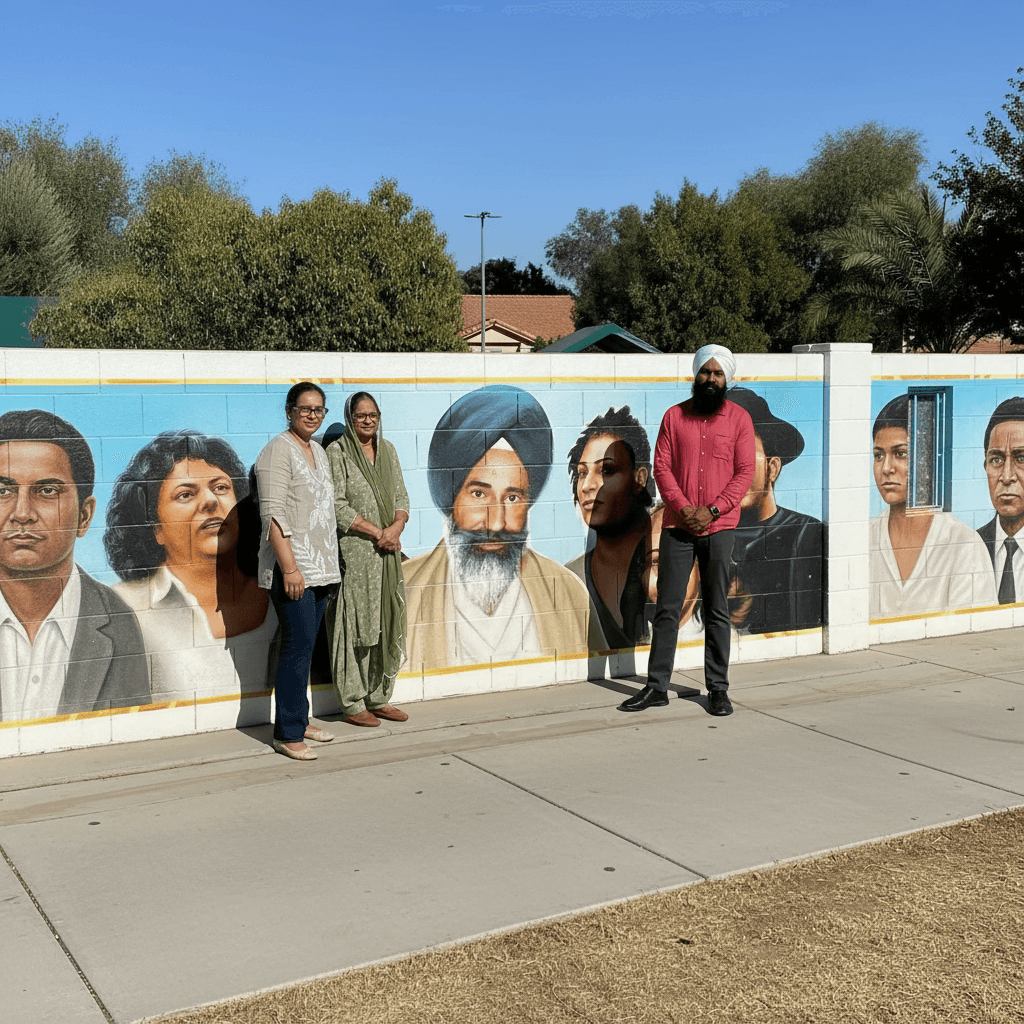
On September 6, 1995, according to Al Jazeera, Jaswant Singh Khalra—a 42-year-old bank director and human rights activist—was kidnapped by police outside his home in Amritsar, Punjab, India, while washing his car. After being secretly tortured for several days in detention, he was murdered. His body was never found.
Khalra had conducted an investigation into thousands of forced disappearances and extrajudicial killings carried out by Indian security forces during the crackdown on the Sikh separatist movement in Punjab throughout the 1980s and 1990s. This research had made him a target of repeated threats.
In 1995, he filed a petition with India's Supreme Court claiming that police had cremated 25,000 bodies labeled as 'unidentified' and 'unclaimed.' The police disputed this figure, calling it exaggerated.
Context: The Sikh Separatist Movement and Operation Blue Star
The separatist movement sought the creation of Khalistan—a theocratic independent state claimed by Sikh movements within India's Punjab state. This independence struggle was brutally suppressed by the central government during the 1980s and 1990s. In June 1984, the government launched Operation Blue Star, a military operation ordered by Prime Minister Indira Gandhi to remove Sikh insurgents entrenched in the Golden Temple in Amritsar, Sikhism's holiest shrine.
These insurgents were led by Jarnail Singh Bhindranwale, chief of the Damdami Taksal—a Sikh organization based in Punjab—and a central figure in the Khalistan movement. The operation killed hundreds of people, including Bhindranwale himself.
In October 1984, two Sikh bodyguards of Indira Gandhi assassinated her in retaliation for Operation Blue Star. Anti-Sikh riots erupted across India, killing thousands.
Timeline
- June 1984Operation Blue Star raids the Golden Temple in Amritsar. Hundreds of people are killed, including separatist leader Jarnail Singh Bhindranwale.
- October 1984Indira Gandhi is assassinated by two of her Sikh bodyguards. Anti-Sikh riots kill thousands across India.
- 1995Khalra files a petition with India's Supreme Court claiming police cremated 25,000 bodies labeled 'unidentified'—a figure disputed by police.
Topics
Related articles

Latest articles
The illustrations in this article are generated by artificial intelligence.
Comments
No comments yet. Be the first to react.