…
World
Chile: Kast’s constitutional reform plan branded “illiberal” across the political spectrum
Herz — World Desk · · 30s summary · 1 min read
The essentials
Chilean President José Antonio Kast presented a constitutional reform proposal on August 29, 2026, that would allow him to declare a state of exception without congressional approval. Such a measure temporarily suspends ordinary law and may include a state of emergency, state of siege or martial law. The proposal would also empower the president to restrict freedoms by decree without prior parliamentary oversight. According to Le Monde, political parties across Chile have described the plan as “illiberal,” with concern extending from the opposition to Kast’s own allies.
- Kast wants to declare a state of exception without a congressional vote.
- The reform would allow the president to restrict freedoms by decree.
- Chile’s opposition and Kast’s own allies have called the proposal “illiberal.”
What we know
On August 29, 2026, Chilean President José Antonio Kast presented a constitutional reform proposal, according to Le Monde. It would allow him to declare a state of exception without a vote in Congress.
A state of exception is a legal regime that temporarily suspends ordinary law. The term may cover distinct measures such as a state of emergency, state of siege or martial law.
The reform would also give the president the power to restrict freedoms by decree without prior parliamentary oversight.
Political parties across Chile have described the proposal as “illiberal.” Concern has been expressed by both the opposition and the president’s own allies.
What is the state of exception Kast wants to declare on his own?
A state of exception is a situation in which ordinary law is suspended. The term may cover legal regimes including a state of emergency, state of siege or martial law.
Why is the constitutional reform proposal controversial?
It would allow the president to act without congressional approval and restrict freedoms by decree. Political parties across Chile, including Kast’s allies, have described this concentration of power as “illiberal.”
Who opposes the proposal?
Concern has been expressed by Chile’s opposition as well as President Kast’s own political allies.
Topics
Source
Related articles



Latest articles



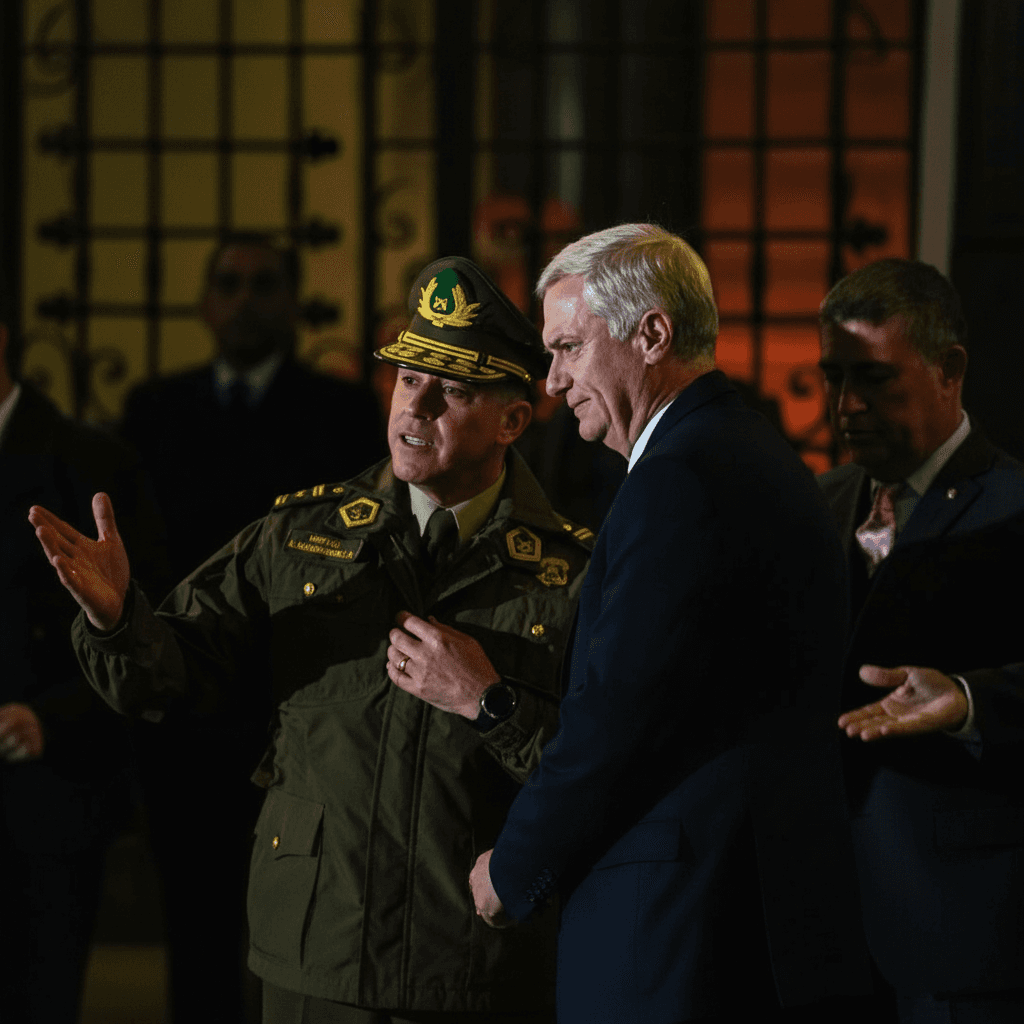
The illustrations in this article are generated by artificial intelligence.
Comments
No comments yet. Be the first to react.