…
World
Gironde wildfire contained after burning across 42,000 hectares
Herz — World Desk · · 30s summary · 3 min read
The essentials
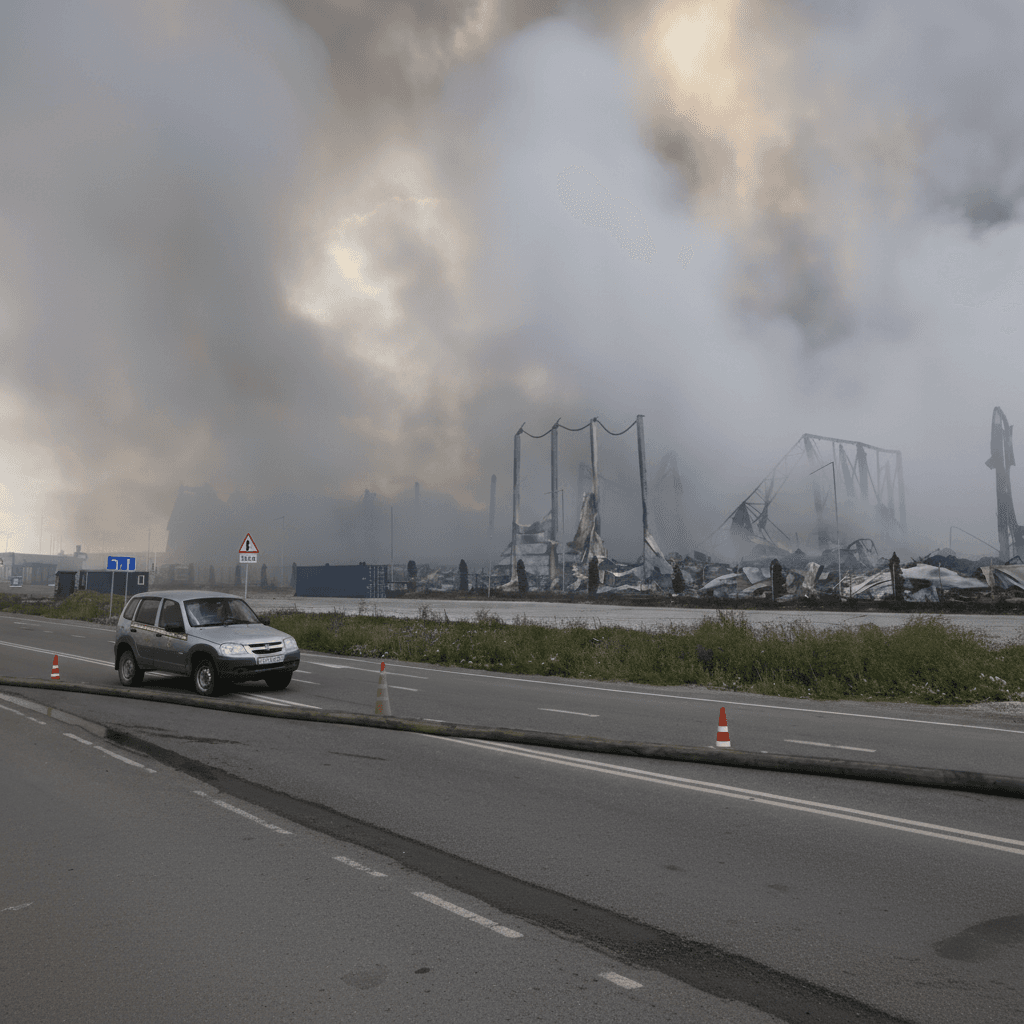
The wildfire that started in Saumos, Gironde, on July 22 was declared contained on July 31 after burning across 42,000 hectares. Two firefighters died, 267 were injured and 240 homes were destroyed. Around 198,000 evacuees were able to return home on July 31, although four municipalities remained fully evacuated. Residents began returning to Saumos on August 1, when the A63 motorway reopened. Swiss firefighters were deployed to support French crews. In the Var department, another wildfire reignited as strong Mistral winds fanned embers.
- The fire burned across 42,000 hectares in nine days.
- Two firefighters died and 267 were injured.
- Around 198,000 evacuees returned home on July 31.
- Swiss firefighters are supporting French emergency services.
What we know
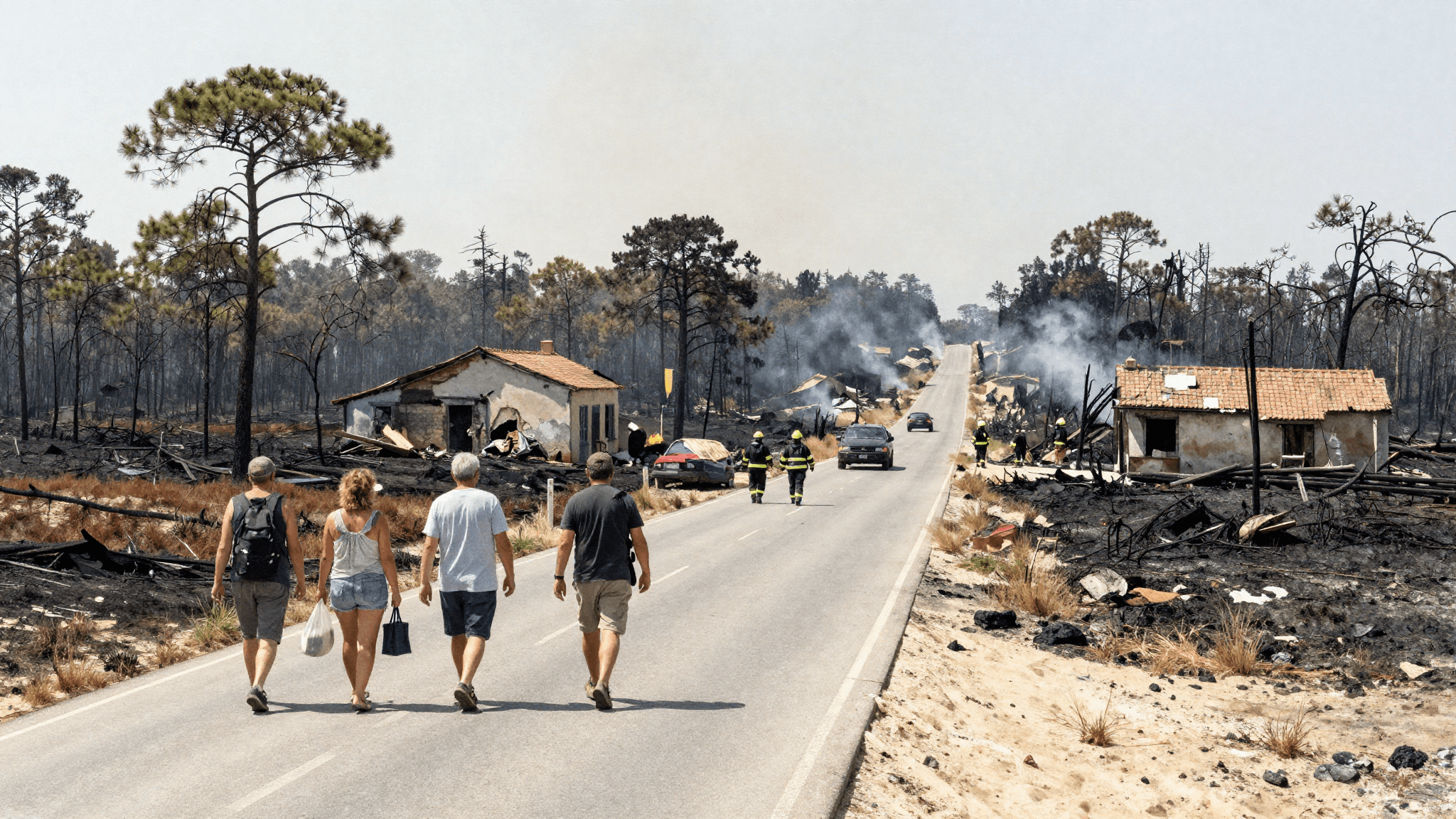
The wildfire started in Saumos, in France’s Gironde department, on July 22, 2026. It was declared contained on the evening of July 31 after nine days of firefighting, but had not yet been fully brought under control.
According to Lost in the Jungle, the fire burned across 42,000 hectares. This was the largest area affected by a wildfire in France since 1949.
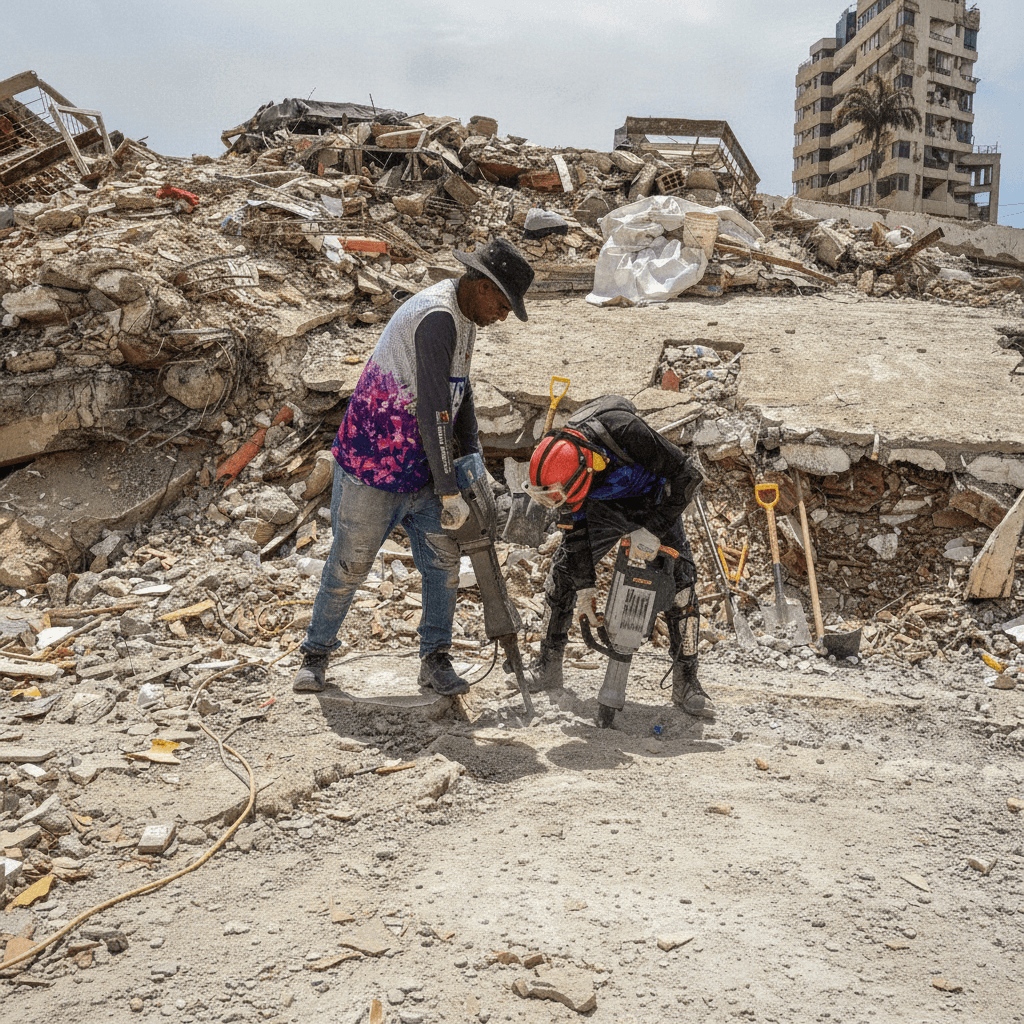
Two firefighters died and 267 were injured. The fire also destroyed 240 homes.
Around 198,000 evacuees, representing 90% of those displaced, were able to return home on July 31. Four municipalities remained fully evacuated at that point.
Authorities point to construction work
Authorities believe the Saumos fire started during construction work, France 24 reported from the town on August 1.
Residents begin returning home
Residents began returning to Saumos on August 1. Nine municipalities were reopened to residents, and the A63 motorway reopened.
Timeline
- July 22, 2026The wildfire starts in Saumos, Gironde.
- July 31, 2026The fire is declared contained, although it has not yet been fully brought under control.
- July 31, 2026Around 198,000 evacuees are allowed to return home.
- August 1, 2026Residents begin returning to Saumos and the A63 motorway reopens.
Swiss firefighters provide support
Swiss firefighters were deployed to Gironde to support French emergency services. A second contingent from French-speaking Switzerland took over the operation and was accommodated in a local secondary school.
In Switzerland, 98.6% of the country’s 74,318 firefighters are non-professional volunteers. The organisation follows the militia system, a common Swiss model in which citizens participate alongside their regular occupations in public duties.
Topics
Related articles



Latest articles


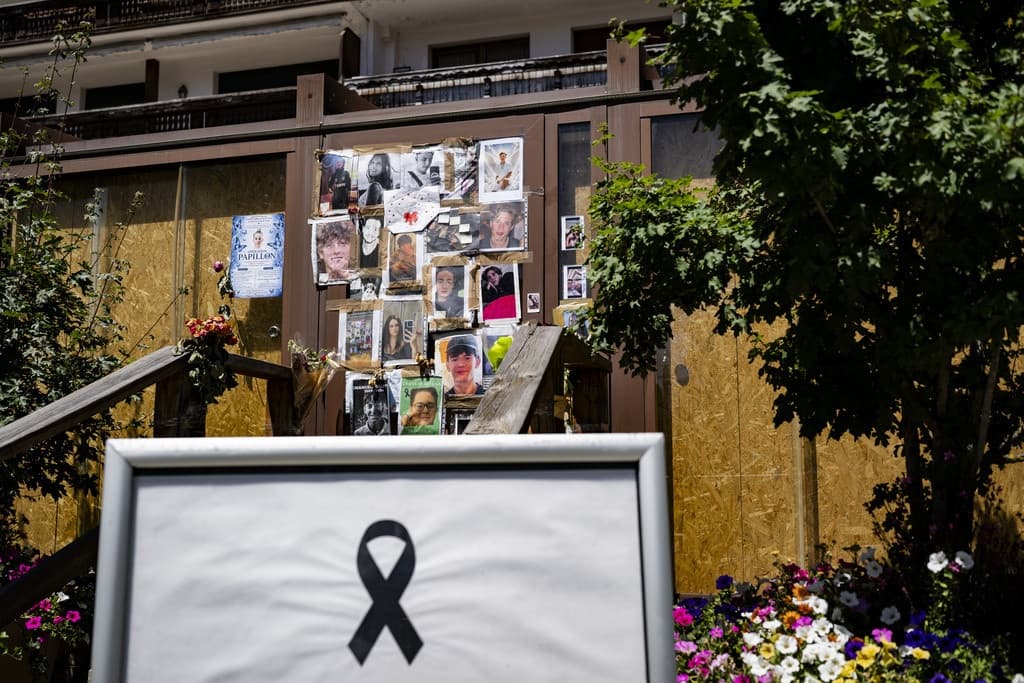
The illustrations in this article are generated by artificial intelligence.
Comments
No comments yet. Be the first to react.