…
World
Costa Rica: President Fernández Accuses Constitutional Chamber of 'Coup d'État'
Herz — World Desk · · 30s summary · 3 min read
The essentials
On August 1, 2026, Costa Rican President Laura Fernández accused the country's Constitutional Chamber of staging a 'coup d'état' against the Legislative Assembly. The crisis erupted following a July 30 ruling passed 4-3 to restore the court's functioning despite the ruling PPSO party's refusal to appoint replacement magistrates since 2025. The PPSO announced it will no longer comply with constitutional rulings. The attorney general, opposition leaders, and former presidents condemned the government's stance.
- Fernández accuses Constitutional Chamber of 'coup' against Assembly on August 1, 2026
- Ruling PPSO party refuses to obey future constitutional court rulings
- Criminal charges filed against four magistrates who voted for July 30 decision
- Attorney general, opposition, and former presidents condemn government position
- Dozens of legal cases pending against Rodrigo Chaves and government officials
What We Know
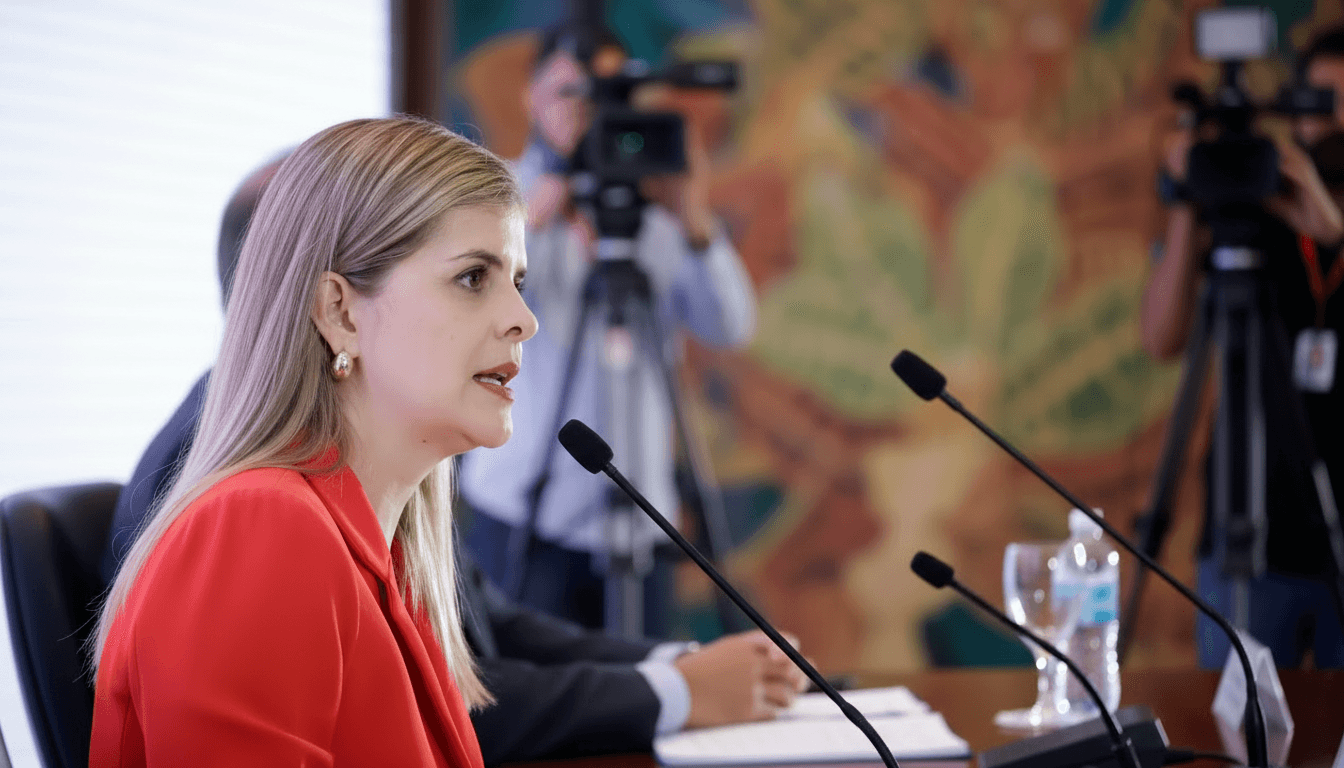
On August 1, 2026, according to El País, Costa Rican President Laura Fernández released a video message alongside official deputies and Finance Minister Rodrigo Chaves, accusing the Constitutional Chamber—the nation's constitutional court—of committing a 'coup d'état' against the Legislative Assembly.
The crisis stems from a ruling issued July 30, 2026 by the Constitutional Chamber, adopted 4-3. The ruling aimed to ensure the court's functioning despite the PPSO's refusal—the ruling party founded by Rodrigo Chaves in 2022—to appoint replacement magistrates since 2025. This blockade has resulted in the accumulation of more than 100 pending cases.
On Friday, July 31, 2026, Nogui Acosta, head of the PPSO's parliamentary faction, stated on television that his party would no longer comply with constitutional rulings, deeming them illegitimate and illegal.
The president of the Legislative Assembly, Yara Jiménez, announced the filing of a criminal complaint for breach of duty against the four magistrates who voted in favor of the ruling. She publicly called them 'coup plotters' and 'usurpers'.
Background
Laura Fernández won the presidential election in February 2026, continuing the populist movement launched by Rodrigo Chaves when he took office in 2022. Since May 2026, the PPSO has held a majority in the Legislative Assembly. Chaves now serves as both Minister of the Presidency and Finance.
Costa Rica's judiciary (Poder Judicial) is handling dozens of cases against Rodrigo Chaves and current government officials. The government has also imposed budget cuts to the judicial system, which authorities say are limiting efforts against organized crime during the worst period of violence in the country's recent history.
Reactions
Magistrate Jorge Araya defended the ruling, stating it aims to 'restore constitutional order.' He added that 'democracies do not defend themselves alone.'
Democracies do not defend themselves alone.
— Jorge Araya, magistrate of the Constitutional Chamber
Carlo Díaz, Costa Rica's attorney general, told El País that the executive is seeking to create chaos in order to subsequently implement radical measures that suppress individual rights. He also criticized the government's inaction against criminal gangs.
During a televised debate with Nogui Acosta, opposition leader Álvaro Ramírez argued that the announcement of non-compliance with future constitutional rulings is even more serious than the ruling itself.
Several former Costa Rican presidents from various political backgrounds condemned the government. One stated that 'the sole party responsible for bringing the country to an institutional crisis of dangerous dimensions is the Government.'
Topics
Related articles

Latest articles


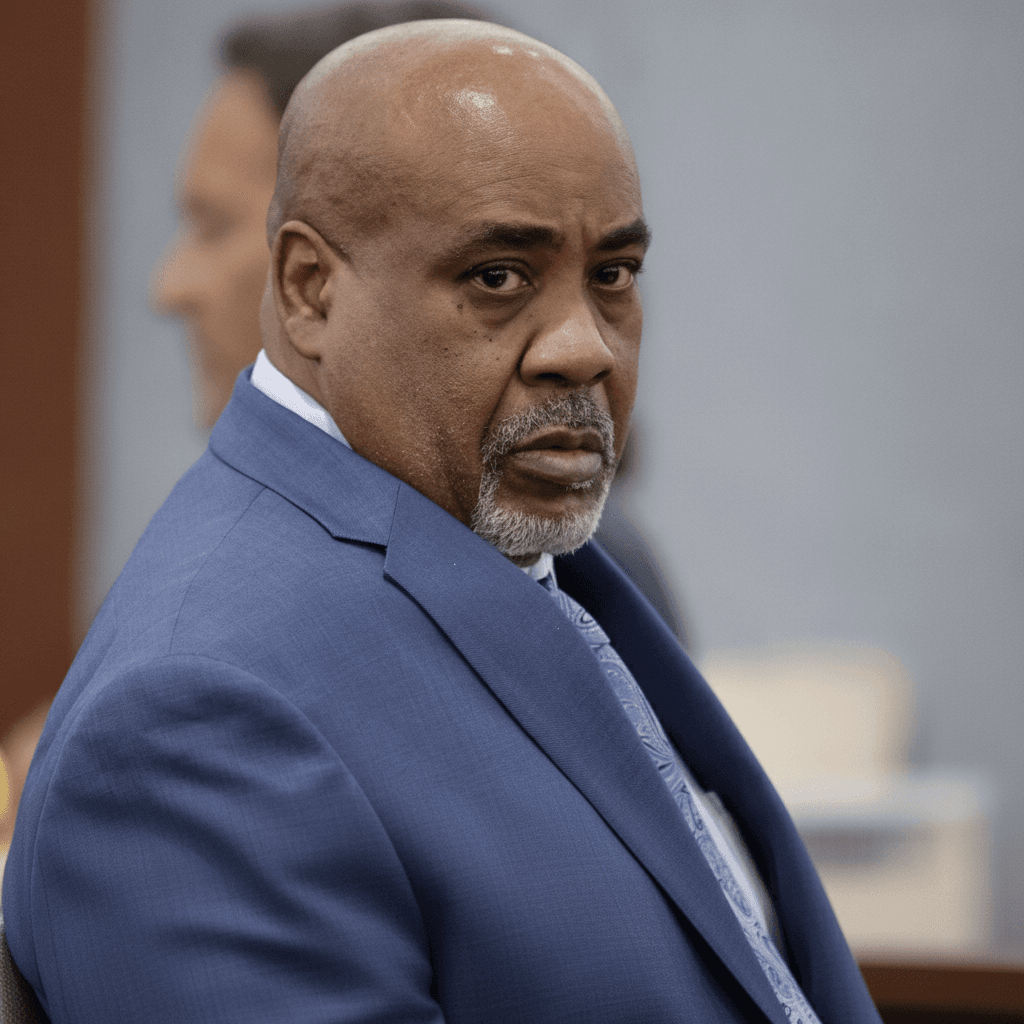
The illustrations in this article are generated by artificial intelligence.
Comments
No comments yet. Be the first to react.