…
World
Ceuta: Over 48,000 migrants return to Morocco, Europe faces Schengen tensions
Herz — World Desk · · 30s summary · 3 min read
The essentials
More than 48,000 migrants left Ceuta for Morocco on August 1, 2026, following a massive influx of between 50,000 and 60,000 people who crossed the border during the night of July 30-31. At least 67 people died during the arrivals. The crisis triggered major political tensions in Europe: Italy suspended Schengen rules for non-European citizens arriving from Spain for the entire month of August 2026, while Finland, Denmark, and Italy called for Spain's exclusion from the Schengen area. Spain's Prime Minister Pedro Sanchez demanded an urgent meeting of the EU-27 on August 1, condemning the "unforgivable behavior" of European leaders who had discussed suspending Spain from Schengen.
- More than 48,000 migrants left Ceuta for Morocco by August 1, 2026
- Between 50,000 and 60,000 migrants crossed the border during the night of July 30-31
- At least 67 people died during the arrivals according to the Spanish government
- Italy suspended Schengen rules for non-European citizens from Spain throughout August 2026
- Sanchez demands urgent EU-27 meeting and denounces 'unforgivable behavior' of European leaders
What we know
By August 1, 2026, more than 48,000 migrants had left Ceuta for Morocco, according to the Spanish government.
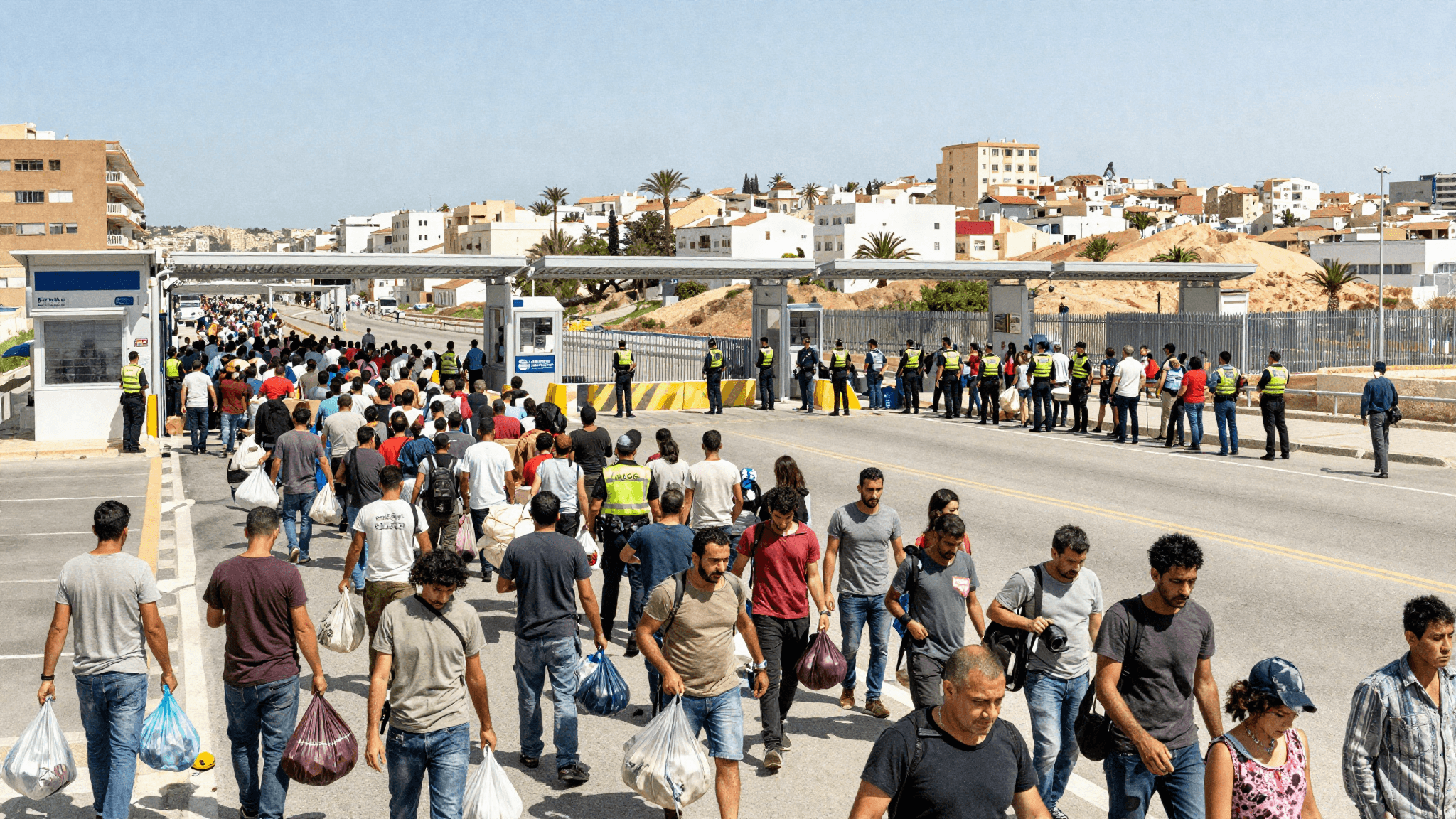
Ceuta is an autonomous Spanish enclave of approximately 84,000 inhabitants in North Africa, bordered by Morocco and the Mediterranean Sea. Tens of thousands of people crossed the border during the night of July 30-31.
The exact number of arrivals is disputed among Spanish official sources: the Ministry of Interior in Madrid cites around 50,000 arrivals, while regional president Juan Jesús Vivas speaks of around 60,000 people.
At least 67 people died during these mass arrivals, according to the Spanish government. Initial reports had cited at least 18 deaths, then around 30, before this figure was established.
Measures taken on the ground
Beginning on July 30, 2026, the Spanish government deployed the military to Ceuta to secure the border—a measure unprecedented since May 2021.
On July 31, Ceuta closed its businesses to encourage migrants to return to Morocco. Spanish soldiers simultaneously blocked the beach providing access to the enclave.
Pedro Sanchez traveled to Ceuta on July 31 with Interior Minister Fernando Grande-Marlaska.
Reactions across Europe
The crisis sparked major political tensions within the European Union. Italy suspended Schengen area rules for non-European citizens arriving from Spain for the entire month of August 2026.
Finland, Denmark, and Italy called for Spain's exclusion from the Schengen area in response to the crisis.
France deployed 334 police and gendarmes to the French-Spanish border, increasing its forces fivefold. Portugal strengthened border controls without suspending Schengen rules.
Pedro Sanchez's response
On August 1, 2026, Pedro Sanchez called for an urgent meeting of EU-27 leaders. He condemned the "unforgivable behavior" of European leaders who had discussed suspending Spain from the Schengen area.
Timeline
- July 30, 2026Spanish military deployed to Ceuta—the first deployment since May 2021.
- Night of July 30-31, 2026Between 50,000 and 60,000 migrants cross the Ceuta border according to Spanish official sources (figures vary).
- Ceuta closes its businesses; Pedro Sanchez and Minister Grande-Marlaska travel to the enclave.
Topics
Related articles


Latest articles


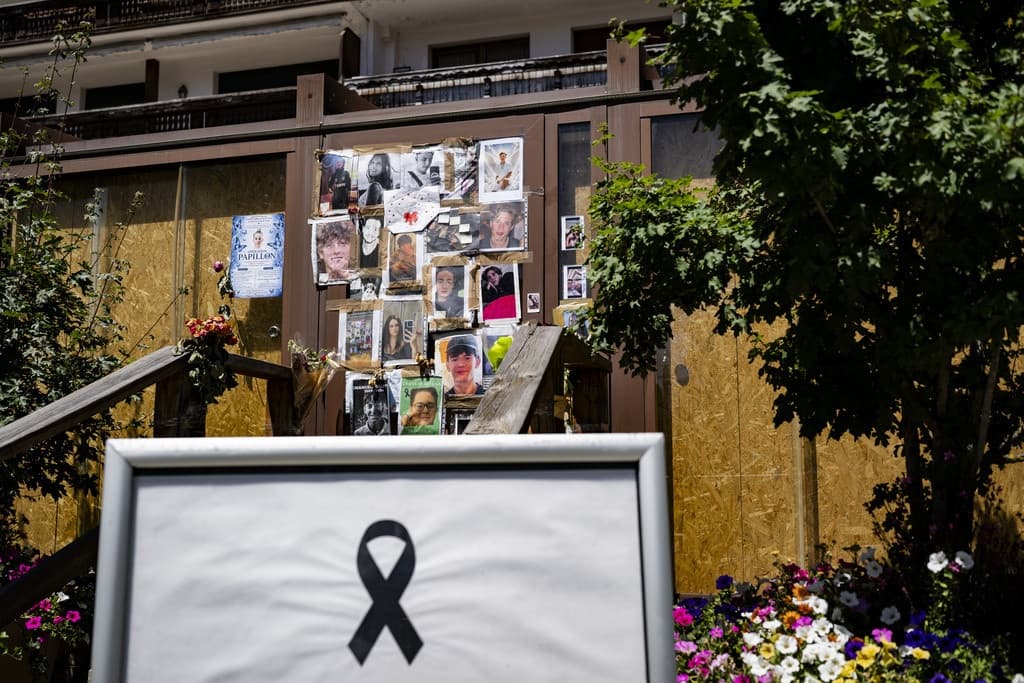
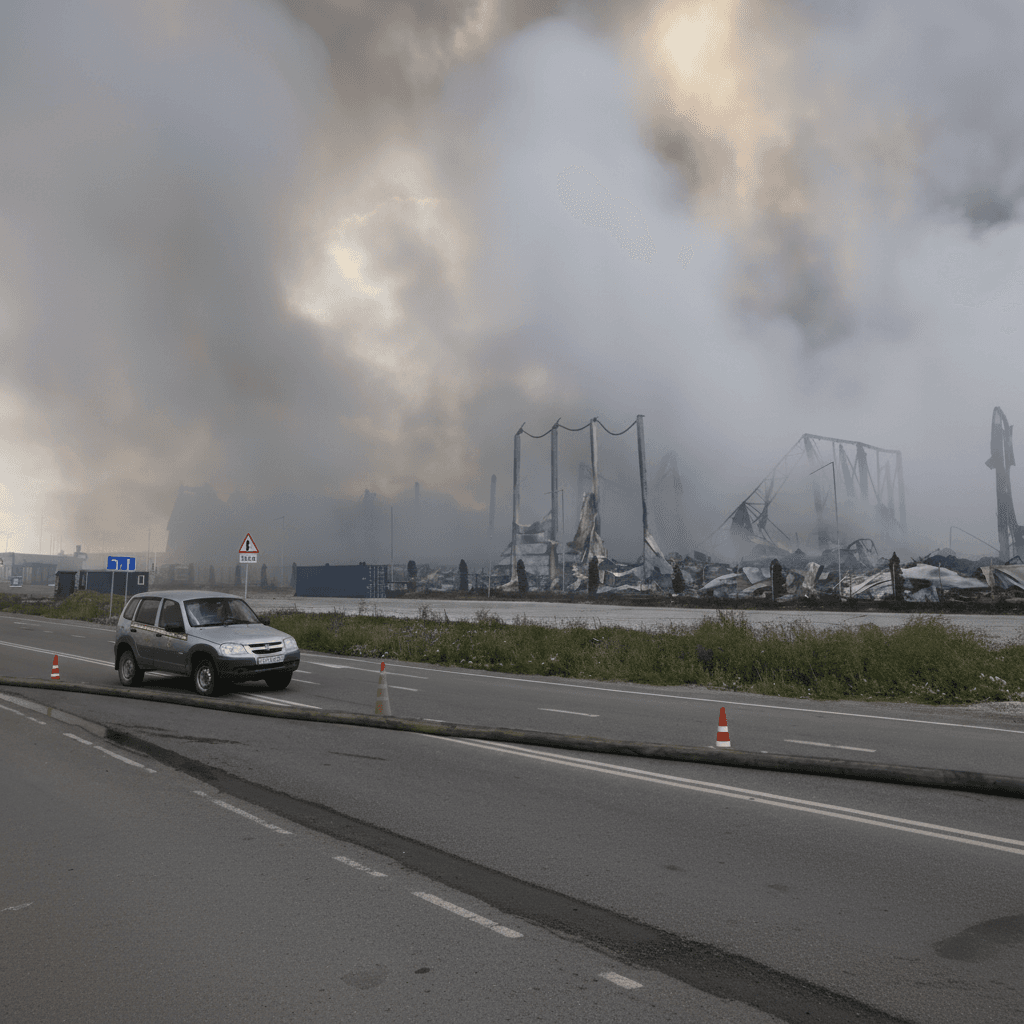
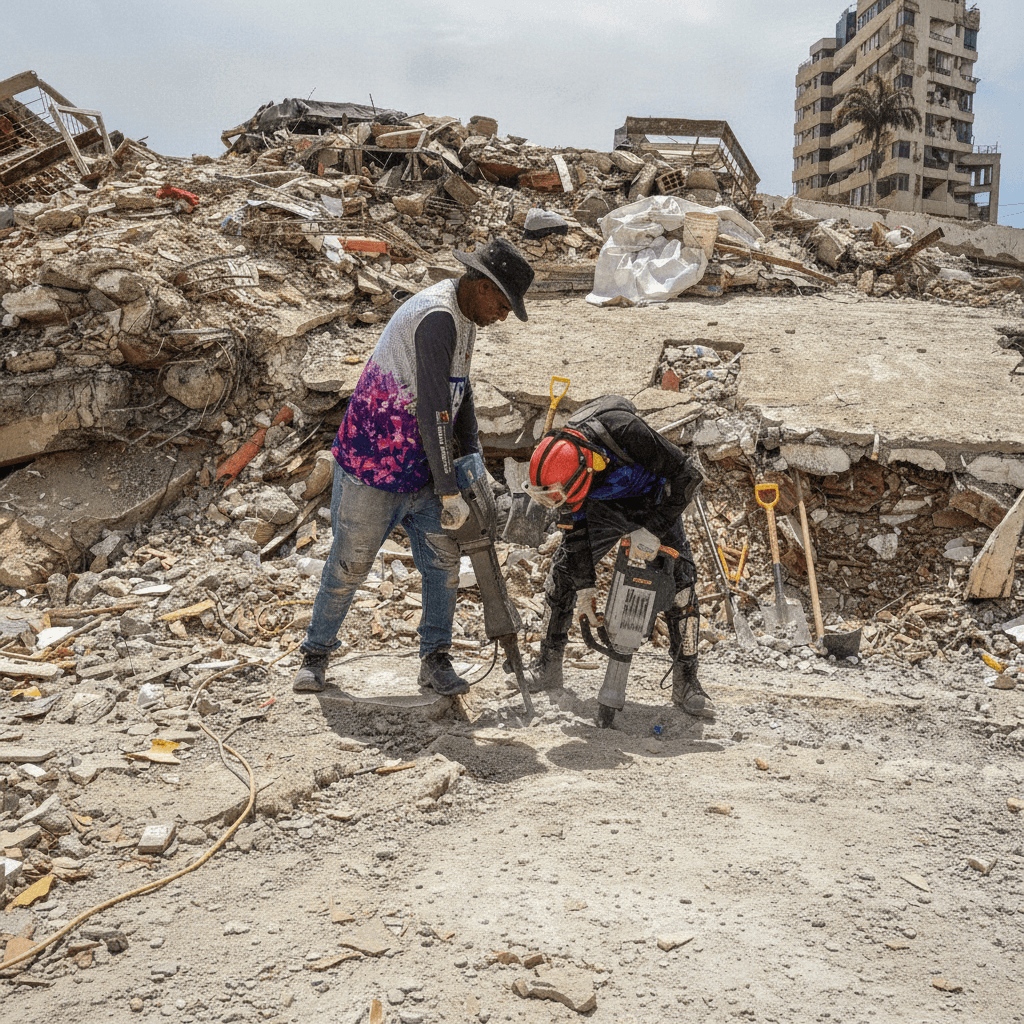
The illustrations in this article are generated by artificial intelligence.
Comments
No comments yet. Be the first to react.