…
World
Afghanistan: Taliban steps up diplomatic contacts five years after returning to power
Herz — World Desk · · 30s summary · 3 min read
The essentials
Five years after taking power in Afghanistan, the Taliban are seeking to break out of their diplomatic isolation. Several countries have recently welcomed their officials or opened new channels of communication. Russia signed a military cooperation agreement and European representatives discussed the returns of rejected asylum seekers. Activists fear that these contacts will weaken international pressure for human rights.
- Multiple countries are intensifying relations with the Taliban.
- Russia signed a military cooperation agreement with the Taliban.
- European talks focused on returns of rejected asylum seekers.
- Activists fear weakened international pressure on human rights.
What we know
Five years after returning to power, the Taliban are making diplomatic efforts to reduce their isolation, reports The Guardian. Several countries are resuming relations with them or intensifying their contacts.
The Taliban took Kabul in 2021 after twenty years of insurgency. The isolation policy adopted after this takeover has since been fragmenting.
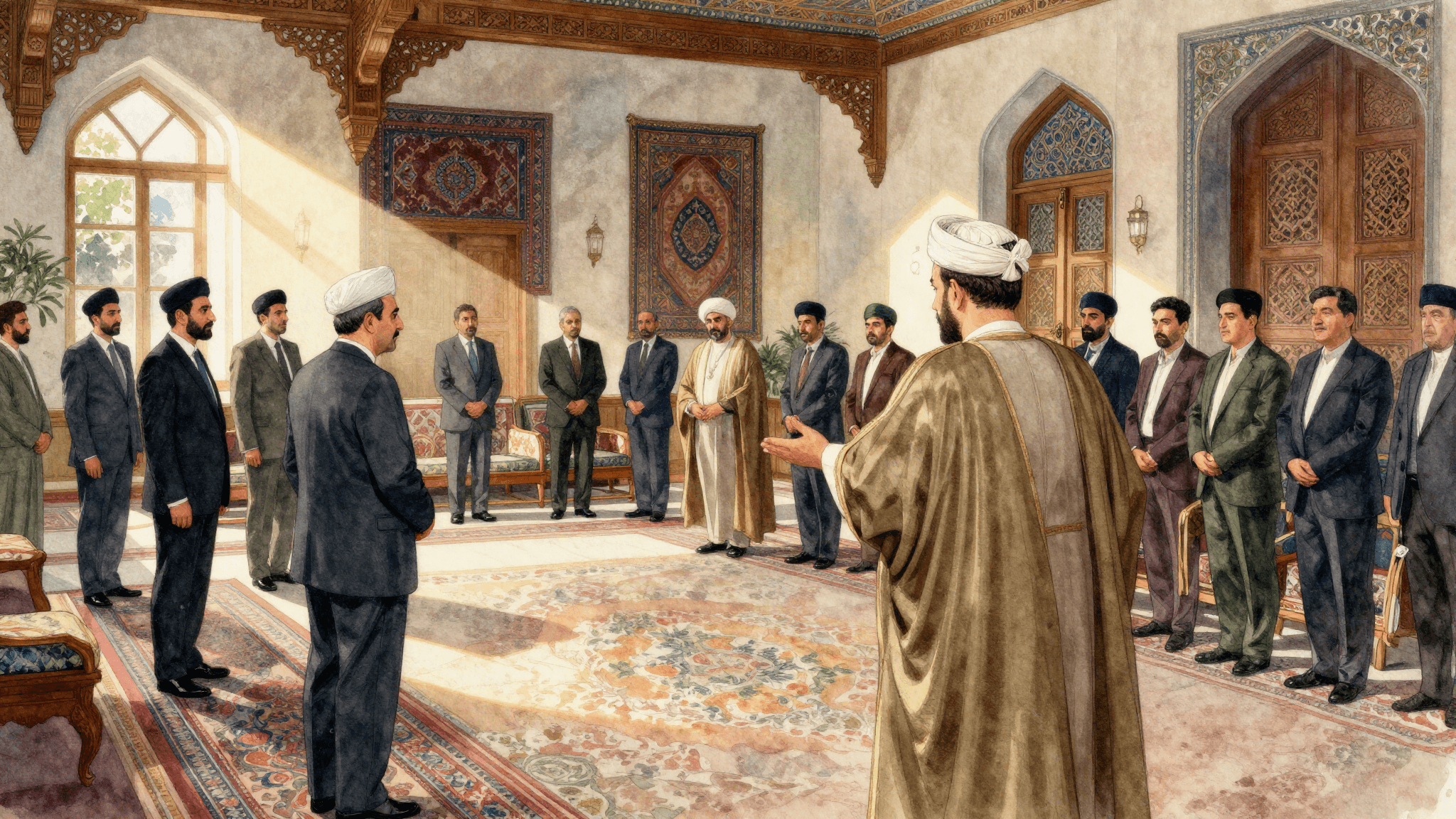
India, Qatar, China, Iran and several Central Asian states have recently welcomed Taliban officials or established new channels of communication.
This evolution amounts to de facto recognition—present in practice without necessarily being so in law. Some Western commentators advocate for broader recognition or more quiet diplomacy.
Russia and European engagements
Russia, which had recognized the Taliban government just over a year earlier, signed a military cooperation agreement last month.
In June, European representatives met with Taliban officials in Brussels. Discussions focused on returning rejected asylum seekers to Afghanistan.
It was the first formal meeting of this kind since 2021. The European side characterized the talks as technical and focused on returns.
A Taliban spokesman, by contrast, described the meeting as historic, viewing it as a step toward normalizing consular relations with European countries.
Several European countries have also deepened their individual contacts with Kabul.
Regional interests
The rapprochement is rooted in regional security concerns and Western efforts to reduce illegal immigration.
It is also fueled by the belief that the Taliban will likely remain in power in the foreseeable future.
This year, officials from Tajikistan, Turkmenistan, Kyrgyzstan, Uzbekistan and Kazakhstan have visited Kabul and other Afghan cities.
They are seeking trade routes and pipeline agreements that would give their landlocked countries access to seaports or third countries.
India has also strengthened relations that had cooled after the Taliban's takeover of Kabul in 2021, amid emerging tensions between the Taliban and Pakistan.
Human rights situation
The United Nations reports a recent 'cascade' of Taliban decrees and laws. These measures bar women from university and most jobs.
Adolescent girls are denied education and strict dress codes have been imposed. Minorities face persecution while activists and journalists face repression.
In March, the United Nations described Afghanistan as a 'graveyard of human rights.'
Activists fear that the multiplication of bilateral relations will weaken a coherent international demand for human rights improvements in exchange for diplomatic concessions.
Fereshta Abbasi believes dialogue can help aid organizations alleviate the humanitarian crisis. However, she calls for conditioning any rapprochement on tangible progress on human rights.
Topics
Source
Related articles
Latest articles
The illustrations in this article are generated by artificial intelligence.
Comments
No comments yet. Be the first to react.