…
Tech & Science
US Tech Giants Reach Record Investment Levels, but Markets Are No Longer Convinced
Herz — Tech & Science Desk · · 30s summary · 3 min read
The essentials
American technology giants — Google, Apple, Meta, Amazon, and Microsoft — are reaching record investment levels in 2026, according to Le Monde. However, financial markets are increasingly skeptical about whether these spending programs can be converted into profitable returns. Two major factors complicate the profitability equation: the high cost of semiconductor chips essential for artificial intelligence data centers, and the rising cost of debt financing these massive projects.
- US tech giants reach record investment levels in 2026, but markets are losing confidence in profitability.
- Financial markets doubt whether massive capex spending can be transformed into profits in the medium term.
- High semiconductor costs and expensive debt financing are the primary obstacles to achieving profitable returns.
- Market enthusiasm peaked in 2023; skepticism has grown as concrete returns on AI investments remain unclear.
What We Know
American technology giants are reaching record investment levels in 2026, according to Le Monde published on August 5, 2026. Grouped under the acronym GAFAM — for Google/Alphabet, Apple, Meta, Amazon, and Microsoft — these five companies dominate the global digital market.
These record-breaking amounts are no longer generating enthusiasm among financial markets. The ability of these companies to transform their investment spending into profits is not guaranteed.
Two factors in particular complicate the profitability equation: the cost of semiconductors — the electronic chips essential for artificial intelligence data center infrastructure — and the cost of debt, which refers to interest charges on loans taken out to finance these projects.
Context: An Investment Race Launched Since 2022
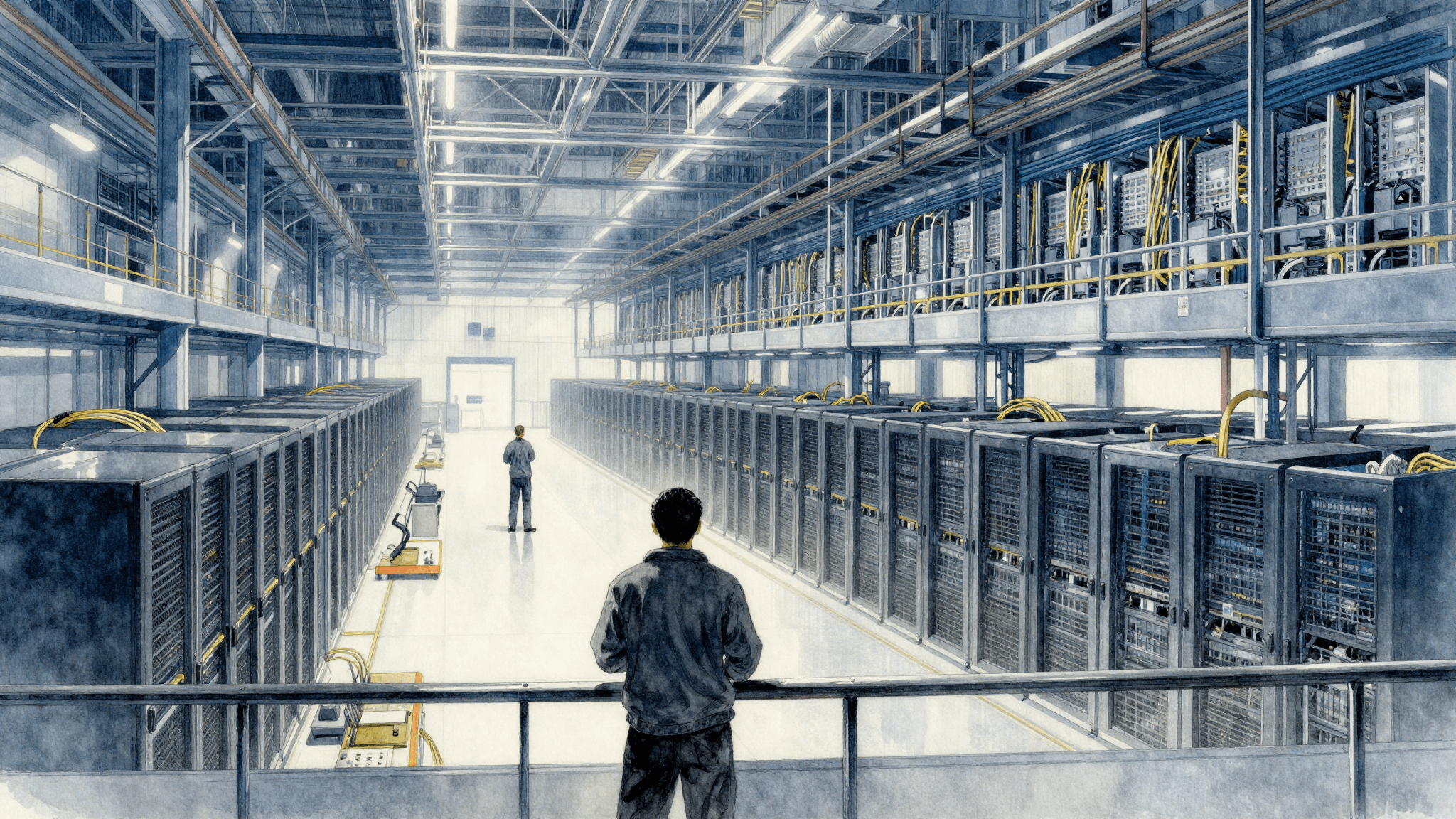
Since OpenAI launched ChatGPT in November 2022, Big Tech companies have dramatically increased their capex spending. This term refers to capital expenditure — data centers, servers, submarine cables — the productive value of which extends over the long term.
In 2023, financial markets welcomed these announcements of budget increases, viewing them as signals of future growth. Starting in 2024, the first questions about the visibility of return on investment began to emerge during quarterly earnings calls.
In 2025, stock market enthusiasm had cooled. Analysts began publicly questioning whether Big Tech could monetize their AI infrastructure in the medium term. Chip shortages and persistent high interest rates complicated profitability projections.
Timeline
- November 2022OpenAI launches ChatGPT, triggering a race for AI infrastructure investments. Tech giants accelerate their data center construction plans.
- 2023Big Tech companies announce significant increases to their capex budgets. Markets reward these announcements, viewing them as signals of future growth.
- 2024Investment spending reaches new records among major tech firms. Markets begin questioning the visibility of return on investment during quarterly earnings releases.
- Stock market enthusiasm cools. Analysts publicly question whether Big Tech can monetize their AI infrastructure. Chip shortages and significant interest rates complicate projections.
Topics
Related articles



Latest articles


The illustrations in this article are generated by artificial intelligence.
Comments
No comments yet. Be the first to react.