…
Tech & Science
Muse Code: Meta Launches an AI Tool to Write Software Autonomously
Herz — Tech & Science Desk · · 30s summary · 2 min read
The essentials
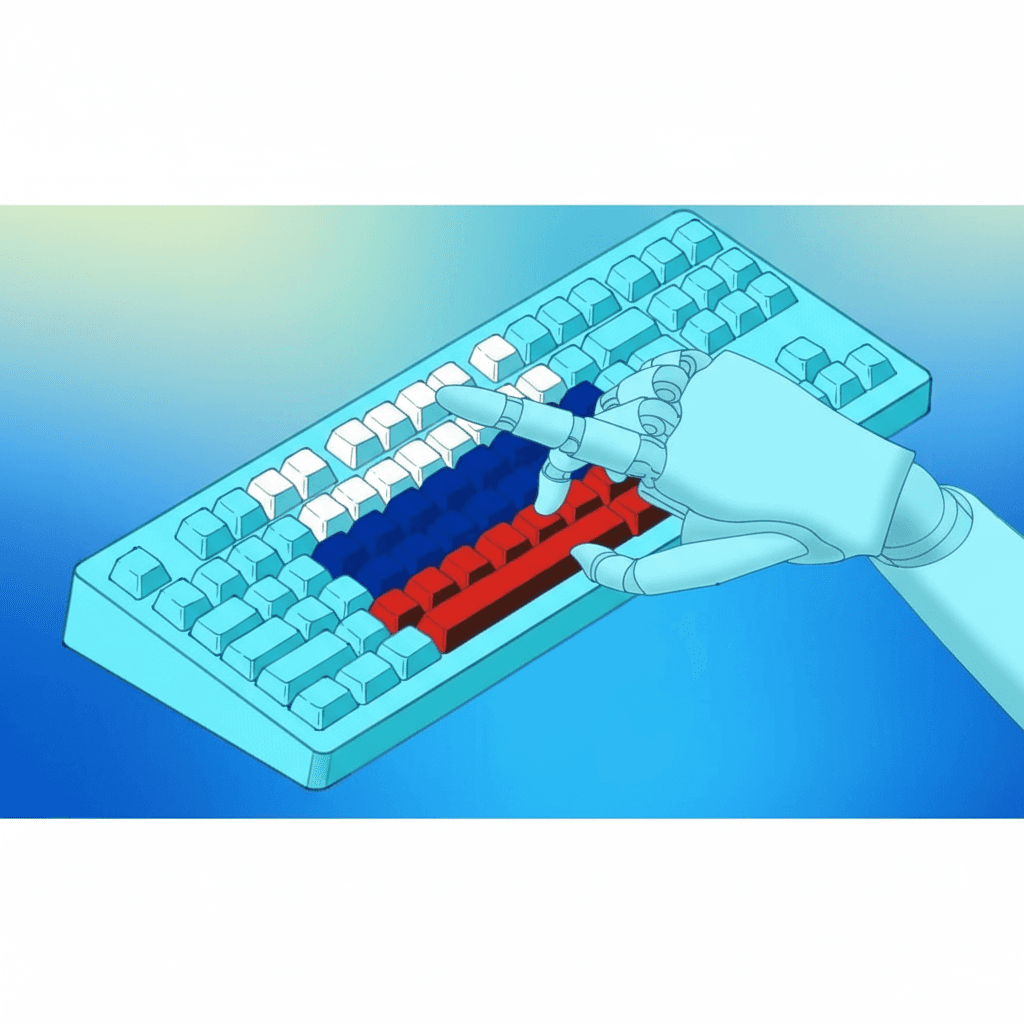
Meta launched Muse Code on August 6, 2026, an artificial intelligence tool capable of writing software autonomously. This agentic tool plans projects, breaks down tasks, and can delegate work to multiple agents in parallel. It directly competes with Claude Code (Anthropic), Codex (OpenAI), and Cursor. In beta version, Muse Code is priced per use, at rates lower than competitors—and up to ten times cheaper for users who accept data sharing. This launch is based on Muse Spark, Meta's AI model unveiled in April 2026.
- Muse Code writes software autonomously by planning and delegating tasks
- Pay-as-you-go pricing lower than competitors, up to ten times cheaper with data sharing
- Built on Muse Spark, Meta's AI model unveiled in April 2026
- Meta invested over 14 billion dollars in Scale AI mid-2025
- Yann LeCun left Meta in late 2025 following strategic AI shift
What we know
Meta launched Muse Code on August 6, 2026, according to Le Monde and Le Temps. This agentic AI tool plans a software project, breaks it down into tasks, writes code, and verifies results.
Mark Zuckerberg announced on Threads that the tool can delegate subtasks to multiple agents working in parallel.
Muse Code directly competes with Claude Code (Anthropic), Codex (OpenAI), and Cursor. The tool targets what is described as the most lucrative segment of generative AI.
Pay-as-you-go pricing lower than competitors
In beta version, Muse Code is charged per use, with no subscription. Its prices are lower than those of its direct competitors.
Users who agree to share their usage data benefit from a rate approximately ten times lower than the standard price.
The technology behind Muse Code
Muse Code relies on the latest version of Muse Spark, the AI model Meta unveiled in April 2026. This model is presented as the first fruit of Meta's complete overhaul of artificial intelligence.
Context: Meta's transformation into an AI player
Mid-2025, Mark Zuckerberg spent over 14 billion dollars to acquire 49% of Scale AI. This American company provides data to AI model developers and verifies model responses manually, through thousands of service providers in developing countries.
Alexandr Wang, founder of Scale AI, was placed at the head of the new Meta Superintelligence Labs entity. Meta also recruited executives from OpenAI, Anthropic, and Google.
In the competitive market, Cursor is being acquired by SpaceX, Elon Musk's company.
Yann LeCun, French researcher who advocated for open-weight models at Meta, left the group in late 2025 to create his own start-up, after Meta abandoned this approach.
What remains uncertain
Available sources do not specify which countries Muse Code is accessible in beta, nor the exact rates charged. The term 'open weight,' used to describe Meta's former approach to publishing AI models, is not defined in the sources consulted.
What is Muse Code?
Muse Code is an artificial intelligence tool launched by Meta on August 6, 2026. It plans software development projects, writes code autonomously, verifies results, and can delegate subtasks to multiple agents working in parallel.
How is Muse Code priced?
In beta version, Muse Code is charged per use, with no subscription. Its rates are lower than competitors. Users who agree to share their usage data benefit from a rate approximately ten times lower than the standard price.
Topics
Related articles


Latest articles


Comments
No comments yet. Be the first to react.