…
World
Direct terminé
Live · Var fire: Gros Bessillon blaze reignites August 1, 2026—1,000 to 1,500 hectares more
Herz — World Desk · · · 30s summary · 4 min read
The essentials
The Gros Bessillon fire in Var, declared fixed on July 28, reignited on August 1, 2026, after mistral gusts revived smoldering embers from the previous phase. The fire spread an additional 1,000 to 1,500 hectares, depending on the official source and time of measurement. Some 2,500 people were evacuated on the evening of July 31. By August 1, 1,500 firefighters and 400 vehicles were deployed, with reinforcements from neighboring departments. Prefect Simon Babre and Interior Minister Laurent Nuñez warned of very high risk between 4 p.m. and 10 p.m., citing mistral gusts of 35–40 km/h, temperatures reaching 40°C, and very low humidity.
- Fire reignited August 1 when mistral gusts revived smoldering embers from the previous phase.
- 1,000 to 1,500 additional hectares burned, according to two official sources measured at different times.
- 2,500 evacuated July 31 evening; 250 housed in emergency shelters by August 1.
- 1,500 firefighters and 400 vehicles deployed, with reinforcements from neighboring departments.
- Very high risk window announced for 4–10 p.m.: mistral winds, 40°C, very low humidity.
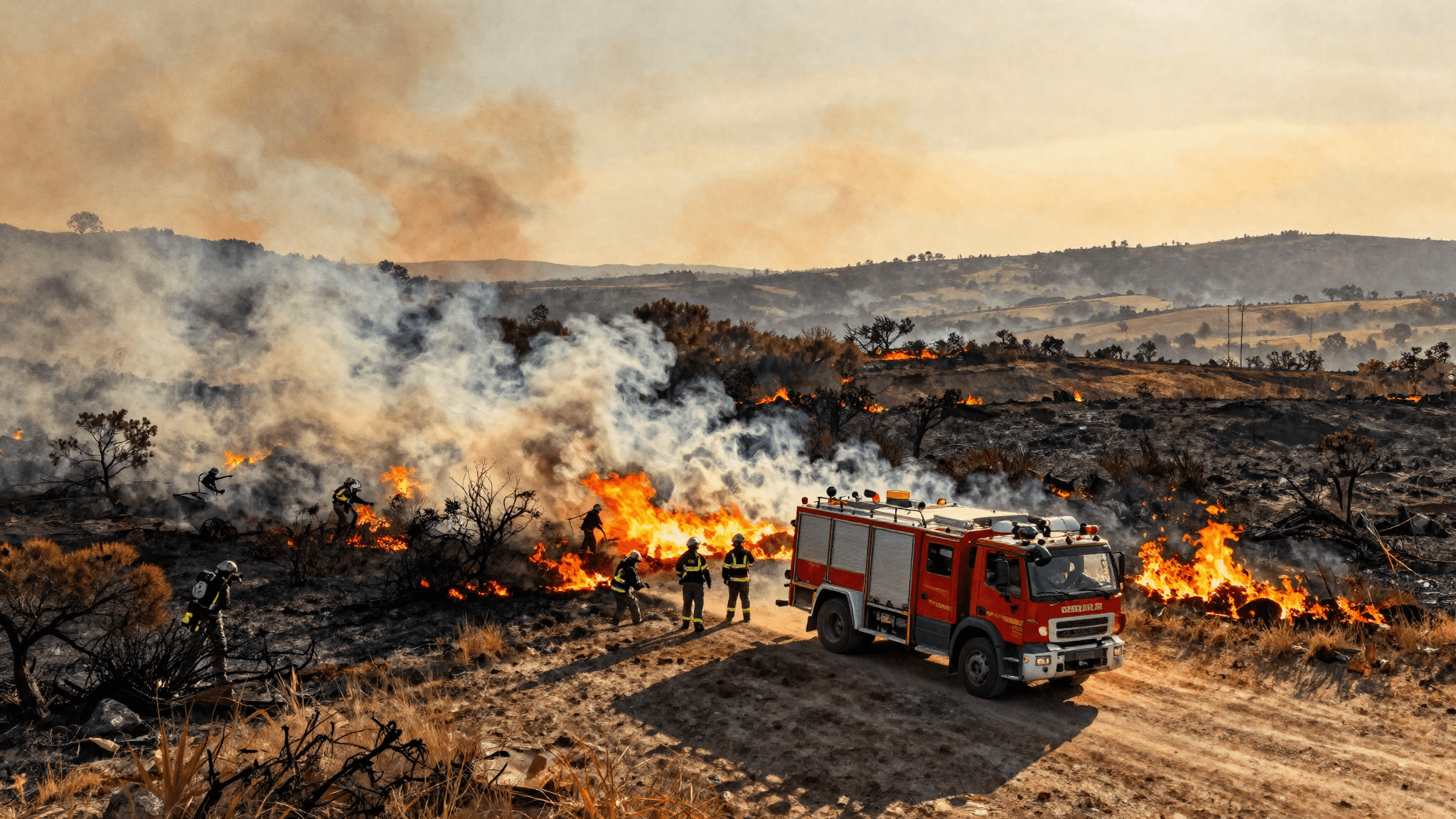
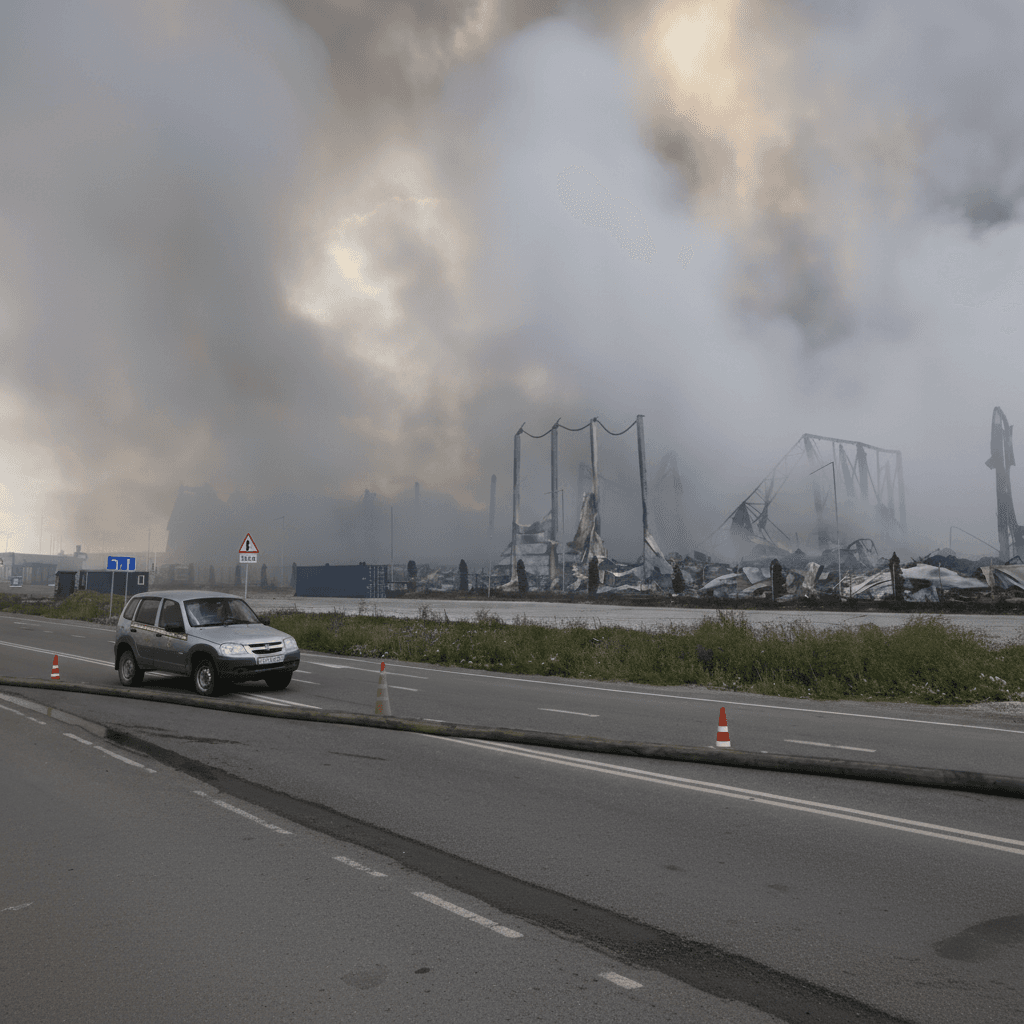
- 01.08 22:57The prefect of the Var, Simon Babre, says the Gros Bessillon wildfire — briefly contained — has reignited and "defies comprehension": around 1,000 hectares burned in six hours, 2,500 people evacuated and up to 1,500 firefighters deployed.
What we know
On August 1, 2026, Var Prefect Simon Babre announced that the Gros Bessillon fire—declared fixed on July 28 after eight days of battle—had reignited. Mistral gusts had revived smoldering embers still burning beneath the surface, according to France Info and the Var prefectural office.
The fire spread at a speed the prefect described as exceptional, characterizing it as "defying comprehension," advancing "faster than a galloping horse."
Faster than a galloping horse
— Simon Babre, Prefect of Var, August 1, 2026
The two official sources diverged on the area burned since reignition. France Info reported approximately 1,000 additional hectares burned within six hours; the prefectural official briefing at 2:45 p.m. stated 1,500 hectares. These figures likely represent measurements taken at different times the same day.
On the evening of July 31, approximately 2,500 people had been evacuated via FR-Alert—France's national emergency alert system that sends urgent text messages to mobile phones of citizens in affected areas—across the municipalities of Correns, Montfort-sur-Argens, Le Val, and Châteauvert, including camping residents.
Resources deployed
By August 1, 1,500 firefighters and 400 vehicles were engaged. Four reinforcement columns from neighboring departments were deployed early in the morning.
105 gendarmes (national police) were present (75 additional units reinforcing the 30 already on site), supported by a gendarmerie drone and a helicopter on standby. The SDIS 83—Var's departmental fire and rescue service, a public agency managing firefighting at the departmental level—deployed 3 surveillance drones to monitor the blaze.
The French Armed Forces provided fuel resupply for firefighting vehicles via a tanker at the SDIS base logistics center, and fuel for water-bombing aircraft (Canadairs) from the General Lejay Training Base in Cannet-des-Maures.
Shelter and health measures
250 people were housed in emergency shelters opened in Barjols, Cotignac, Lorgues, and Le Val. The regional health authority (ARS) and the inter-municipal hospital center in Toulon–La Seyne-sur-Mer distributed 15,000 FFP2 masks to residents of affected municipalities.
Related articles


Latest articles


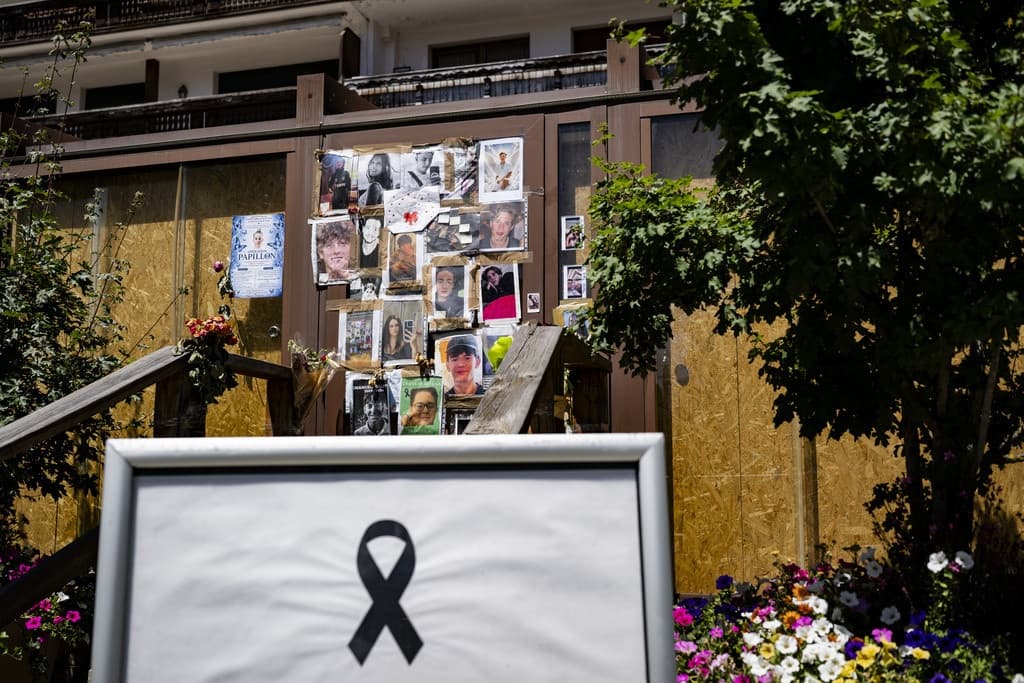
The illustrations in this article are generated by artificial intelligence.
Comments
No comments yet. Be the first to react.