…
World
USA-Iran Conflict: Brent Oil Falls 5% After Mutual Strike Suspension
Herz — World Desk · · 30s summary · 4 min read
The essentials
Brent crude oil dropped more than 5% on July 27, 2026, settling at approximately $92 per barrel, after the United States and Iran both suspended their mutual strikes over the weekend of July 26–27. Washington had conducted 13 consecutive nights of raids on Iran before this pause. An Omani mediator traveled to Tehran on July 25 to facilitate negotiations. The Houthi militia in Yemen struck Saudi Arabian oil facilities, causing maritime traffic in the Bab al-Mandab Strait to plummet to its lowest level in months.
- Brent crude falls to $92/barrel (−5%) on July 27 following US-Iran strike pause
- US conducted 13 consecutive nights of strikes on Iran before suspension
- Omani mediator visited Tehran on July 25 to facilitate negotiations
- Houthis struck Saudi Aramco oil facilities in Saudi Arabia on July 26
- Bab al-Mandab traffic drops to 11 vessels Sunday, lowest in months
What We Know
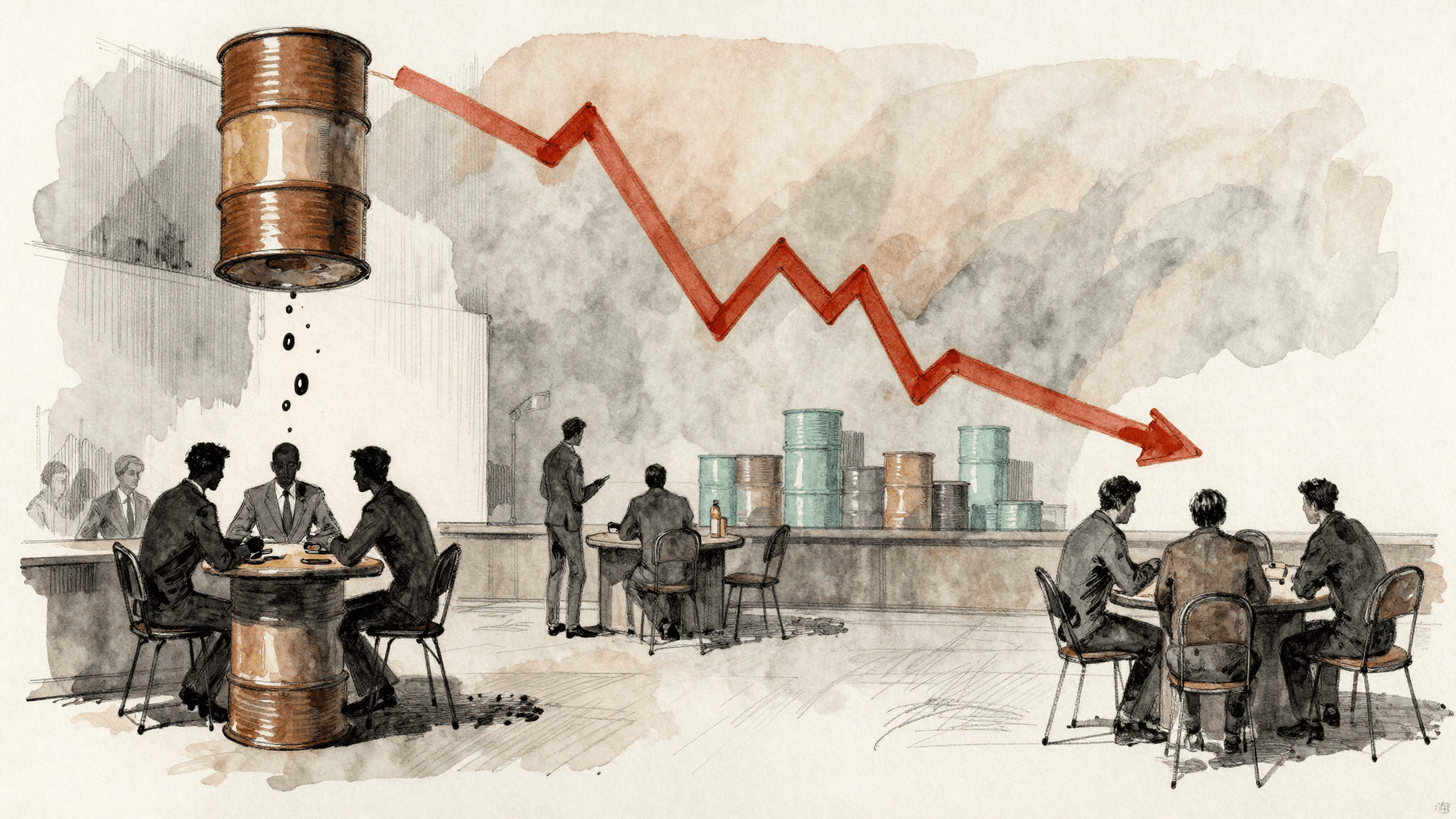
Brent crude oil declined more than 5% on July 27, 2026, settling at approximately $92 per barrel, according to Süddeutsche Zeitung. The price had previously exceeded $100 per barrel in the days following the first US strikes on Iran.
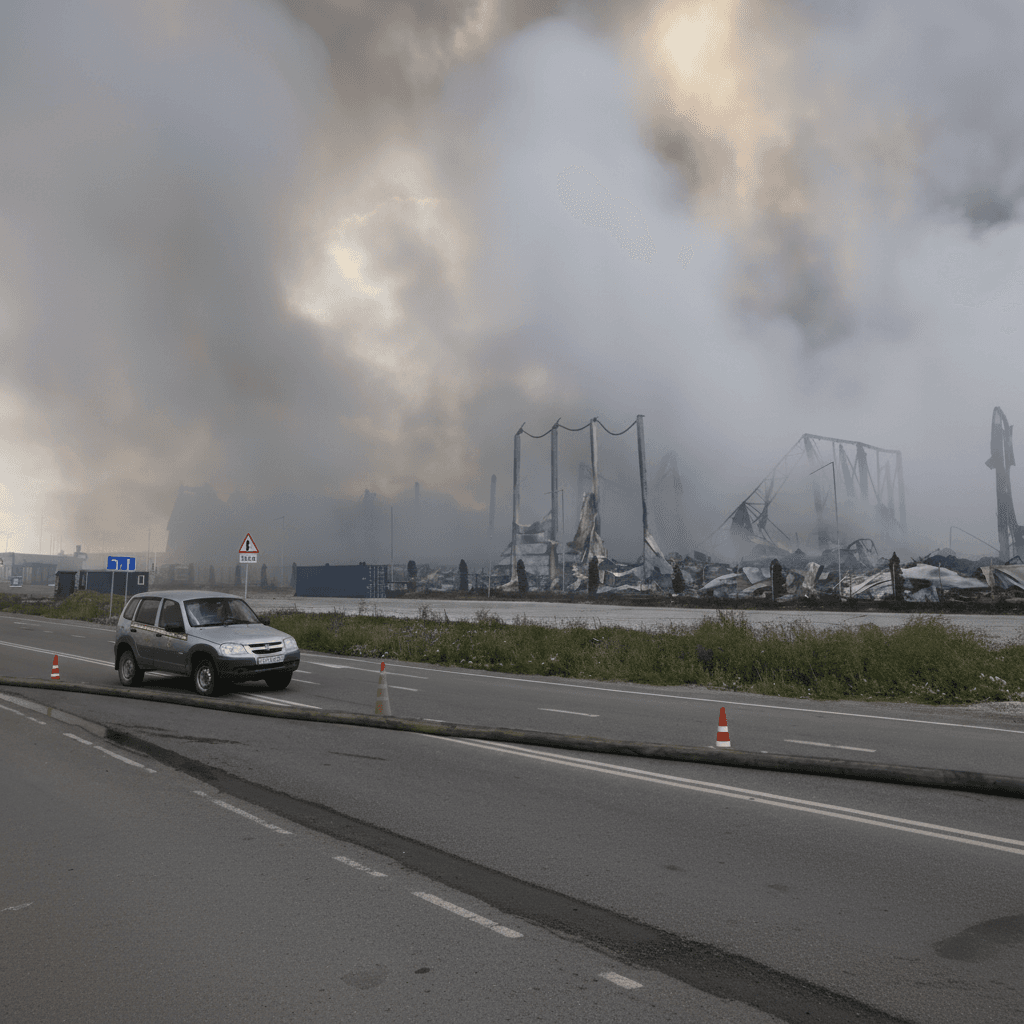
This easing in prices followed the mutual suspension of strikes between the United States and Iran over the weekend of July 26–27, 2026, accompanied by engagement in diplomatic efforts. Washington had conducted 13 consecutive nights of attacks on Iran before announcing this pause.
The conflict between the two countries has lasted since late February 2026 and destabilizes the entire region.
Peak after first strikes on Iran (threshold exceeded)100
July 27, 2026 (after the pause)92
Diplomacy: Talks Open Up
US Ambassador to the UN Mike Waltz stated on Sunday, July 27, on Fox News that President Trump "is leaving room for talks," without providing further details.
Trump is leaving room for talks.
— Mike Waltz, US Ambassador to the UN, Fox News, July 27, 2026
According to CBS, citing internal sources, the suspension of US strikes followed a visit by an Omani mediator to Tehran on July 25, 2026, for negotiations.
An Iranian insider told Reuters that Tehran would suspend its own strikes as long as Washington maintained its pause.
Why Trump Eased Up on Escalation
According to the New York Times on July 26, citing two internal sources, Trump temporarily abandoned his plans to escalate against Iran. He feared a widening of the conflict, depletion of US defense stocks, alienation of Middle East and Gulf allies, and global economic disruption.
Topics
Related articles


Latest articles



The illustrations in this article are generated by artificial intelligence.
Comments
No comments yet. Be the first to react.