…
World
Shasta County: Judge pauses Measure B restrictions on mail voting
Herz — World Desk · · 30s summary · 2 min read
The essentials
A California judge has temporarily blocked Shasta County’s Measure B while a legal challenge proceeds. The county says no proposed changes will apply to the November general election: every active registered voter will receive a mail ballot under state law. Approved by 56% of primary voters in June, Measure B would limit mail voting to three groups, require one-day in-person elections, mandate government-issued photo identification and establish a county registration system separate from California’s.
- A judge temporarily blocked Shasta County’s Measure B.
- Current voting rules will remain in place for November.
- Every active registered voter will receive a mail ballot.
- Measure B would restrict mail voting to three groups.
What the court decided
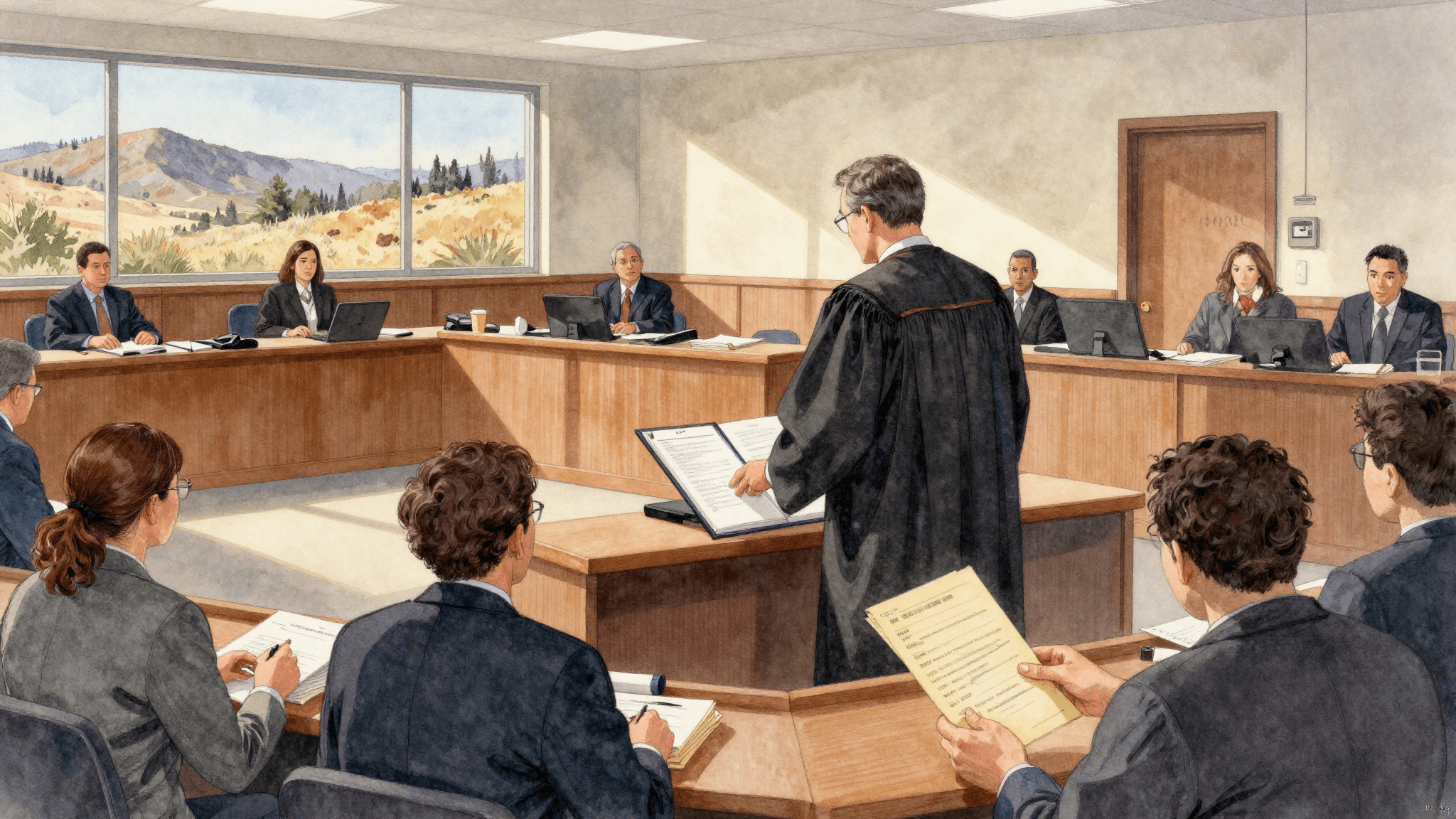
Shasta County Superior Court Judge Benjamin L. Hanna issued a preliminary injunction on Friday, temporarily blocking Measure B while the legal challenge is considered, according to the Los Angeles Times.
None of the measure’s proposed changes will apply to the November general election. The county said every active registered voter in Shasta County will receive a mail ballot in accordance with California law.
California Attorney General Rob Bonta and Secretary of State Shirley Weber sued Shasta County in mid-June, a few days after the primary. They argue that Measure B violates several state election laws and should be struck down before the November election.
The California Court of Appeal for the Third Appellate District initially received the case but declined to consider it before proceedings in the trial court.
What Measure B would change
Measure B, a citizen initiative approved by 56% of Shasta County voters in the June primary, would reserve mail voting for people with infirmities, members of the military and U.S. citizens living abroad.
It would also require in-person elections to be held on a single day and create a county voter-registration system separate from California’s statewide system.
Residents would have to show government-issued photo identification to vote. A separate statewide California proposal addressing the same requirement will go before voters in November.
Why the judge paused the measure
In his ruling issued last week, Hanna found that immediate implementation could disenfranchise many county voters who qualify under California law but would be excluded by Measure B’s narrower criteria.
The measure would require new voter rolls and the re-registration of existing voters. Hanna wrote that creating this system would be difficult three months before the November general election.
The judge also cited the strong likelihood that the state would prevail in its case against Measure B.
Responses to the injunction
Weber said the ruling showed that creating unnecessary barriers weakens democracy instead of strengthening it.
The Shasta Election Task Force, the citizen group that drafted the initiative, says it collected thousands of signatures to place it on the ballot. The group argues that voters approved the measure and that the state has not established a legal basis for blocking it.
The ACLU, League of Women Voters, Disability Rights California, Asian Law Caucus and Asian Americans Advancing Justice Southern California opposed Measure B, arguing that it would disenfranchise voters.
Mail-ballot counting in California
California allocated $40 million to counties this summer to speed up ballot counting. The funding followed delays in the June primary count that were widely attributed to the processing of millions of mailed ballots.
Topics
Source
Related articles
Latest articles
The illustrations in this article are generated by artificial intelligence.
Comments
No comments yet. Be the first to react.