…
World
Oil: Brent crude breaks $100 per barrel amid Iran-USA military escalation
Herz — World Desk · · 30s summary · 3 min read
The essentials
On July 23, 2026, Brent crude—the global standard for crude oil pricing—reached $100 per barrel, driven by military escalation between the United States and Iran over the Strait of Hormuz. On the night of July 22–23, the United States launched its 12th consecutive wave of nighttime strikes against Iran. Iran extended its retaliatory strikes to Kuwait and Jordan, where U.S. military bases were targeted. Secretary of State Marco Rubio stated from Manila that Tehran is "now paying the price" for breaking agreements with Washington.
- Brent crude reaches $100 per barrel on July 23, 2026, marking a symbolic threshold.
- U.S. launches 12th consecutive wave of nighttime strikes against Iran on July 22–23.
- Iran attacks U.S. military bases in Kuwait and launches missiles at Jordan.
- Rubio warns that Tehran is "now paying the price" for breaking its agreements.
- U.S. and British bombers on high alert, according to the Wall Street Journal.
What we know
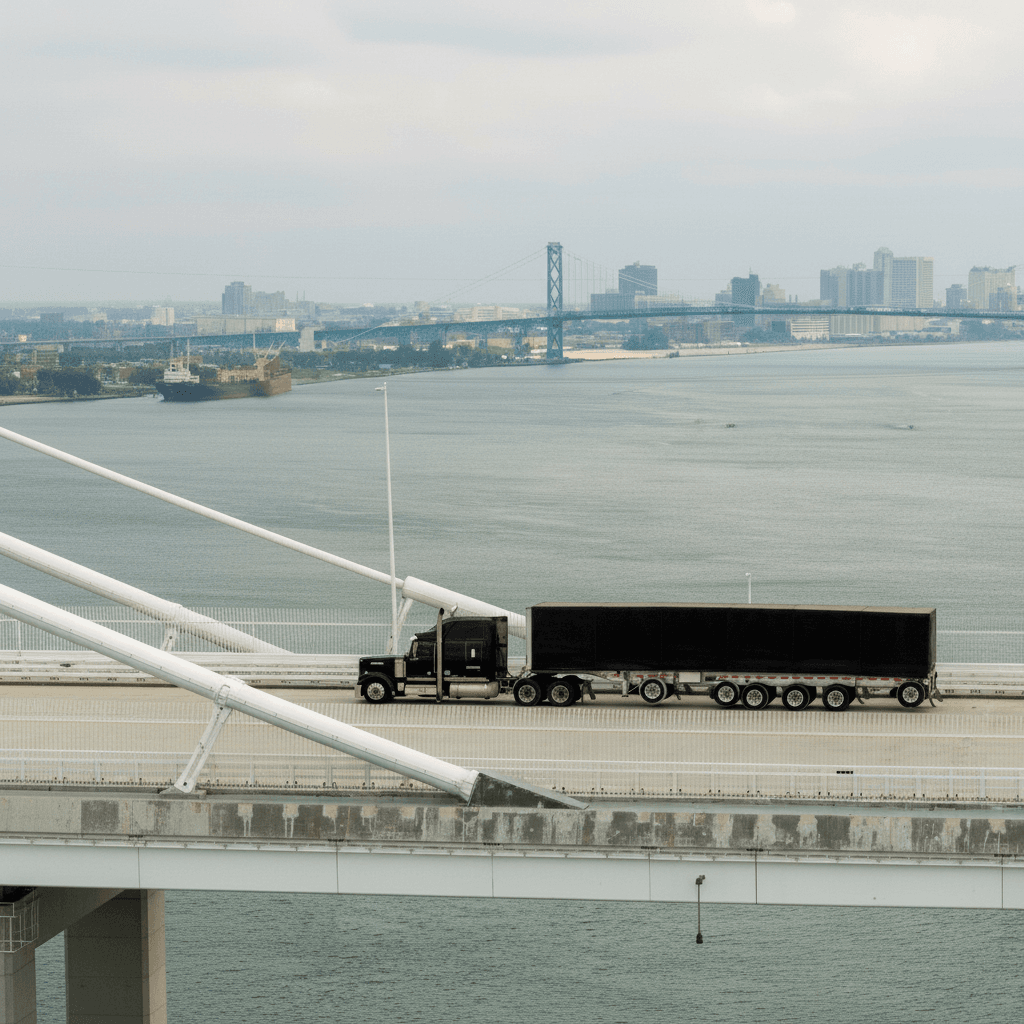
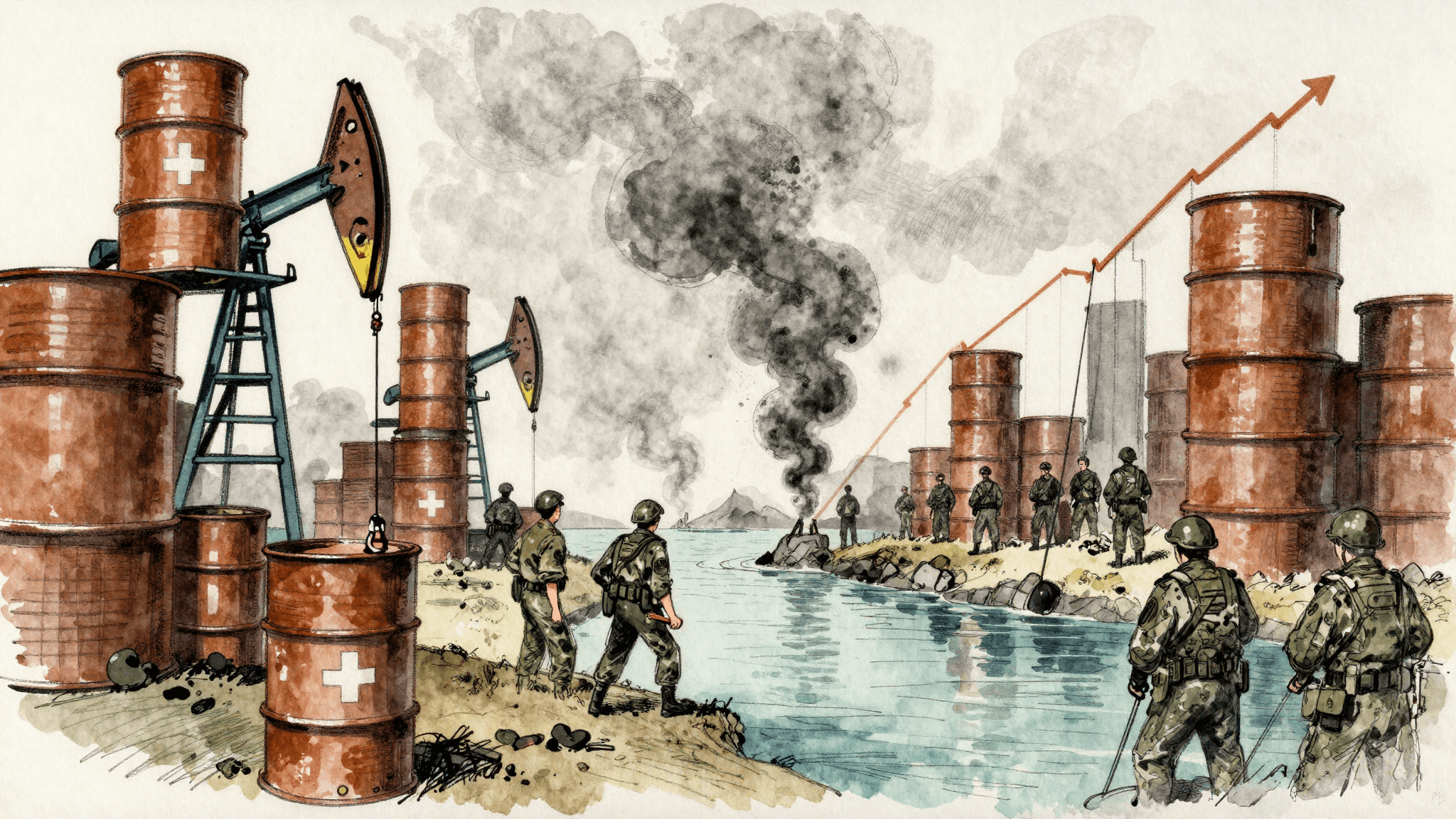
On July 23, 2026, Brent crude—the global standard for pricing crude oil in international markets, with one barrel representing 159 liters—crossed the symbolic $100 threshold, according to Süddeutsche Zeitung and Die Zeit. This price surge is directly linked to military escalation between the United States and Iran and its effects on the Strait of Hormuz, a strategic waterway for global trade in crude oil and liquefied natural gas.
On the night of July 22–23, 2026, CENTCOM—the United States Central Command, the American military command responsible for operations in the Middle East—announced its 12th consecutive wave of nighttime strikes against Iran. The strikes began at 5:30 PM ET and ended at 10:30 PM ET, or 6:00 AM Iran time.
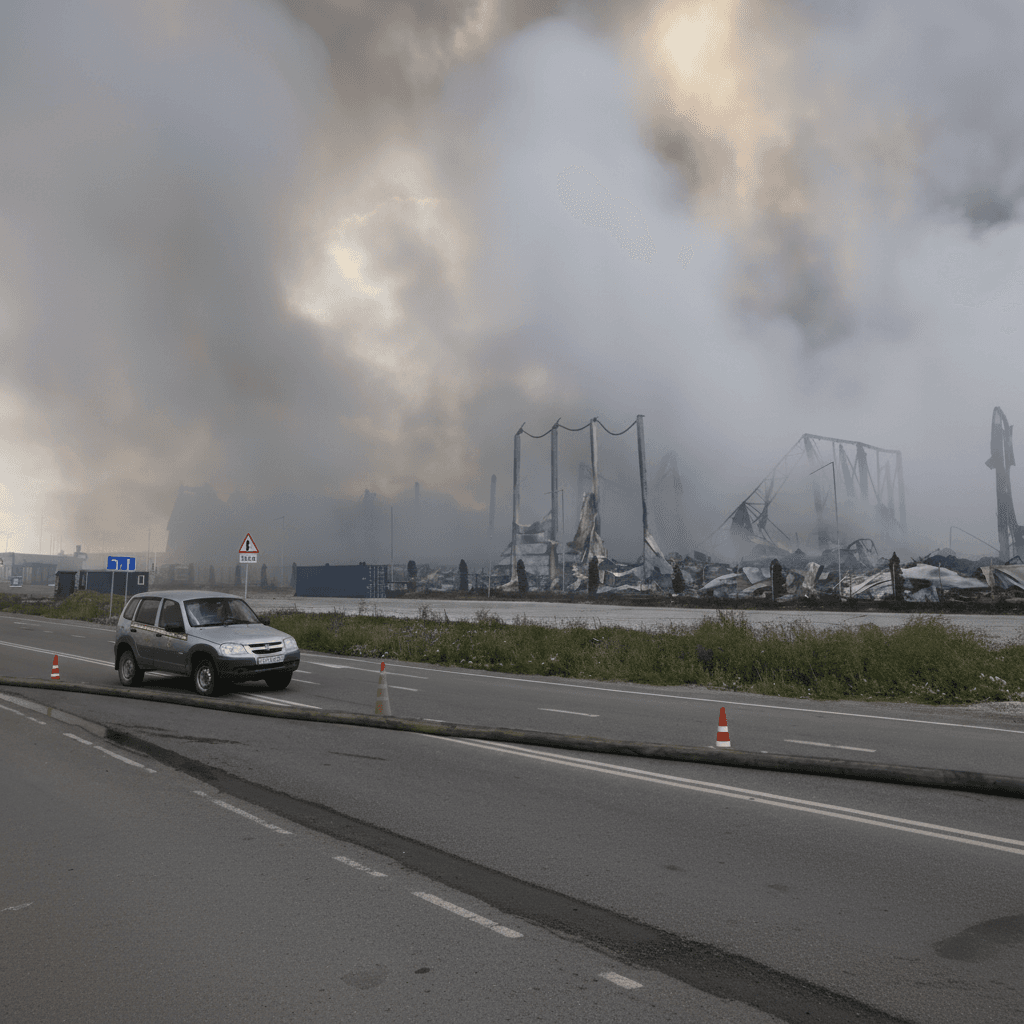
The strikes targeted Iranian missile and drone depots, coastal surveillance installations, and air defense systems.
Iranian retaliation in the region
In Kuwait, the Ministry of Defense reported a drone attack on the Al-Abdali border post on the Kuwait-Iraq border. Material damage was recorded, but there were no casualties. The country has been targeted multiple times since the escalation began, with American troops stationed there.
Iran claimed responsibility for strikes against U.S. military camps in Kuwait: Al-Adiri, Doha, and Arifjan bases, as well as Ali Al-Salem Air Base, were targeted.
In Jordan, air forces downed 3 Iranian missiles within 24 hours, according to the official Jordanian agency Petra. A fourth missile fell in an isolated, uninhabited area. Targeted facilities included U.S. missile systems as well as weapons and fuel depots.
U.S. military deployment
According to the Wall Street Journal, citing flight-tracking data and U.S. officials, American special forces were deployed to the region in the week preceding July 23, 2026. Bombers based in the United States and United Kingdom were placed on high alert.
The American position
On July 23, 2026, during the ASEAN summit—the Association of Southeast Asian Nations, an organization comprising eleven Southeast Asian countries—in Manila, Philippines, Secretary of State Marco Rubio accused Iran of systematically breaking its agreements with the United States.
now paying the price
— Marco Rubio, U.S. Secretary of State, July 23, 2026, in Manila, regarding Iran
Rubio also suggested that Tehran could change course in the coming days.
Timeline
- New escalation in the Iran-USA conflict linked to the dispute over the Strait of Hormuz, a strategic waterway for global crude oil and liquefied natural gas trade.
Topics
Related articles


Latest articles



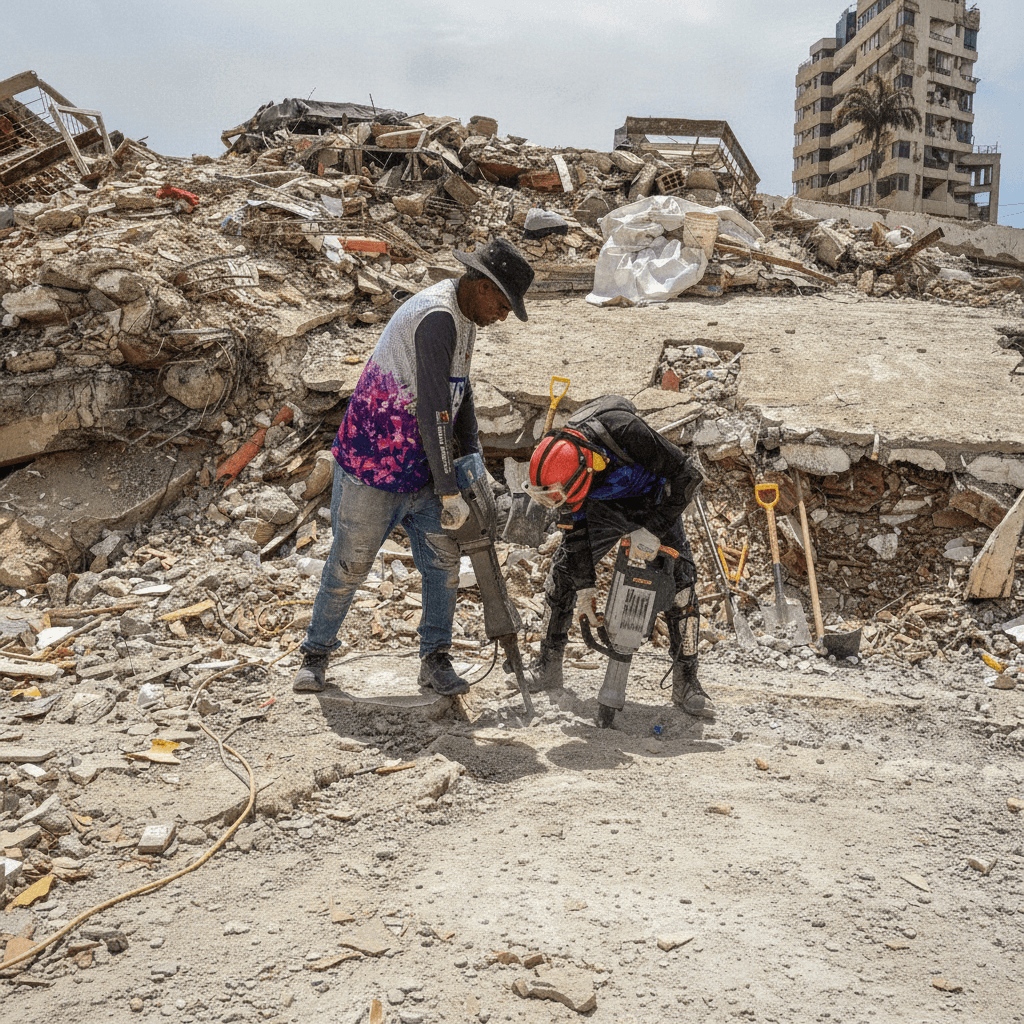
The illustrations in this article are generated by artificial intelligence.
Comments
No comments yet. Be the first to react.