…
World
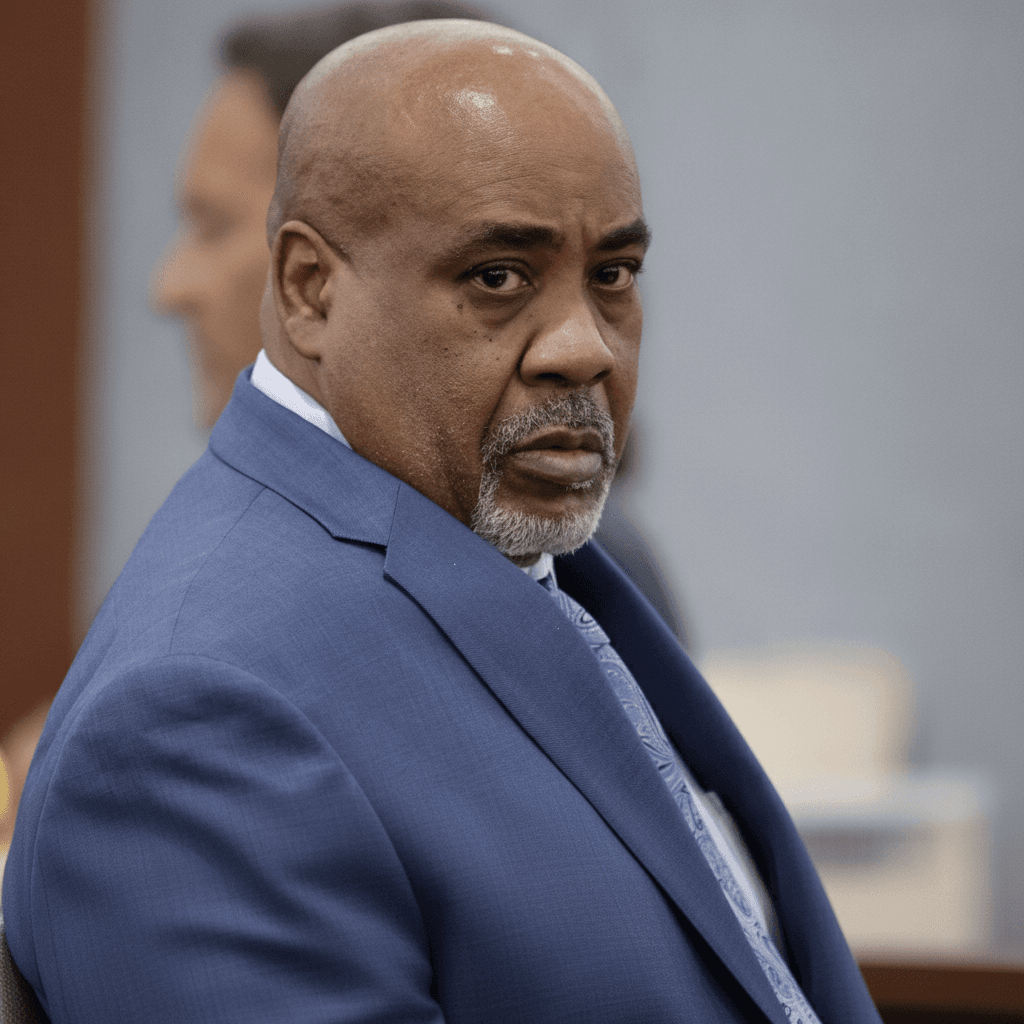
ICC Prosecutor Karim Khan Removed by Member States Over Sexual Misconduct
Herz — World Desk · · 30s summary · 3 min read
The essentials
On July 24, 2026, a majority of the International Criminal Court's (ICC) 125 member states voted to remove prosecutor Karim Khan following sexual harassment allegations. The vote came nearly two years after a junior colleague first raised allegations against Khan. Khan denies any misconduct, and his team has denounced the proceedings as politically motivated. The arrest warrants issued in 2024 against Israeli Prime Minister Benjamin Netanyahu remain in force. An election process for a new prosecutor has been initiated.
- Karim Khan removed as ICC prosecutor on July 24, 2026, by majority vote of member states
- Accused of sexual harassment by junior colleague known only as 'Sarah'
- Khan denies wrongdoing; his team claims the proceedings are politically motivated
- Arrest warrants against Netanyahu and Gallant remain valid
- A new prosecutor will be elected, not before 2027
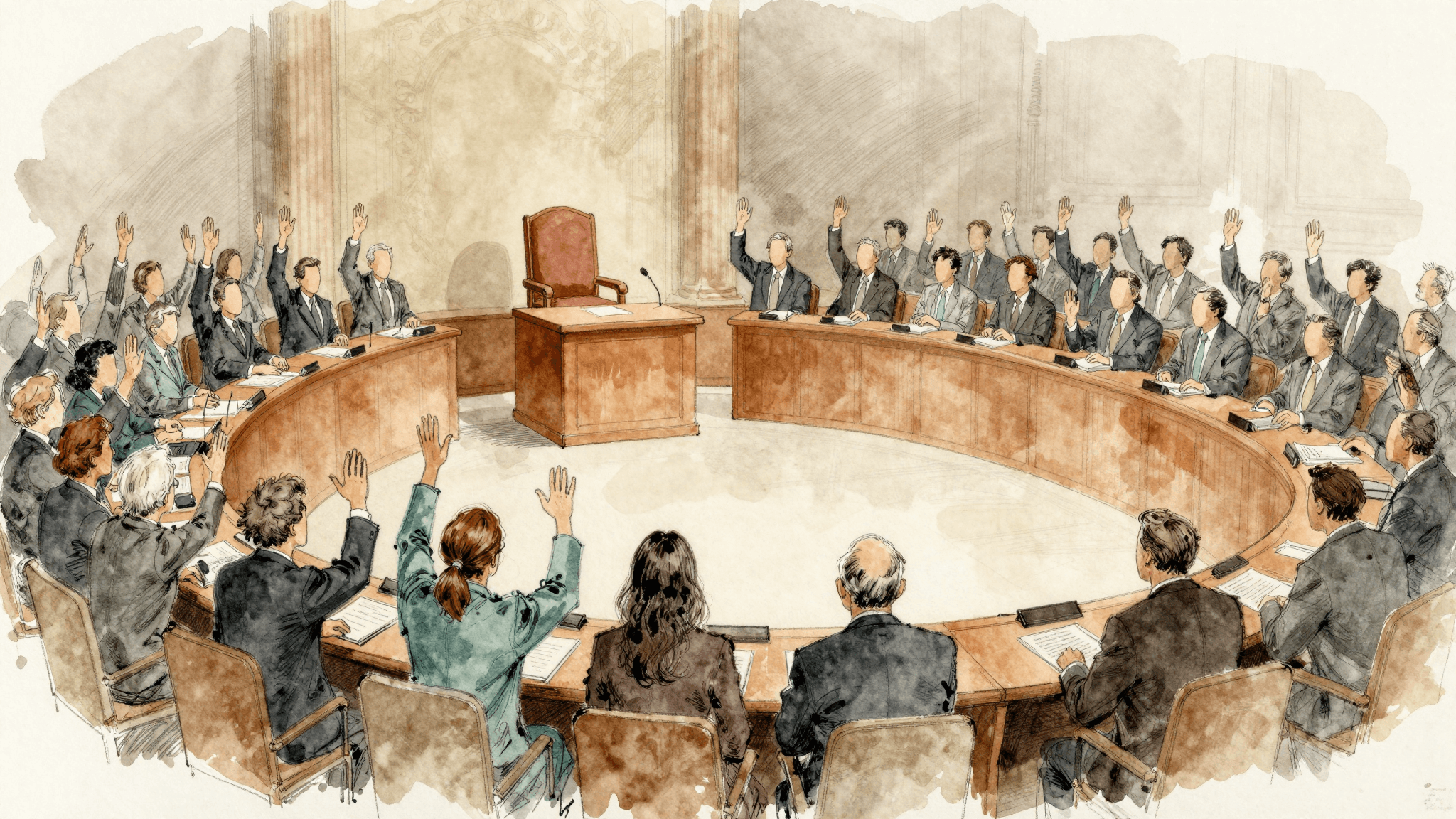
On July 24, 2026, the Assembly of States Parties to the Rome Statute — the governing body of the International Criminal Court (ICC) composed of sovereign states that have ratified this founding treaty — voted by majority to remove prosecutor Karim Khan.
125 member states participated in the vote, according to Al Jazeera. The decision came nearly two years after the first sexual misconduct allegations against Khan emerged.
Accusations Against Karim Khan
Khan, a 56-year-old lawyer, was accused of sexual harassment by a junior colleague and assistant, identified only by the first name 'Sarah'.
In testimony gathered by CNN, she described behavior involving repeated and escalating touching, including intimate contact while she was pretending to be asleep.
Khan has denied any wrongdoing. His lawyers characterized the proceedings as illegal, procedurally unfair, and unsupported by evidence.
Preliminary Suspension Based on UN Investigation
Before the removal vote, the ICC had already suspended Khan from his duties. This decision was based on a UN investigation report, the opinion of an ad hoc panel of judicial experts, and written submissions.
Political Context: Warrants Against Netanyahu and Pressure from Washington
Khan's removal occurs in a tense international context. In 2024, he had sought arrest warrants against Israeli Prime Minister Benjamin Netanyahu and former Defense Minister Yoav Gallant for crimes against humanity related to the Gaza war.
Khan's team characterizes the proceedings as politically motivated and retaliatory in response to this judicial action.
The Trump administration imposed sanctions on Khan and roughly a dozen other ICC staff members and declared its intention to 'destroy' the ICC.
The proceedings against Khan are 'clearly part of a broader offensive against the ICC'.
— Josep Borrell, former EU foreign policy chief, in an op-ed
Arrest Warrants Against Netanyahu and Gallant Remain Valid
Khan's removal has no immediate impact on the arrest warrants issued in 2024 against Netanyahu and Gallant. These warrants can only be lifted by ICC judges, not by the prosecutor.
Next Steps: Election of a New Prosecutor
Khan's removal immediately triggers the process to elect a new prosecutor. However, the vote by member states is not expected before next year.
What Remains Uncertain
No candidate names to succeed Khan are known at this stage. The precise timeline for the election remains unclear, beyond the expectation that it will not occur before next year.
Topics
Related articles



Latest articles



The illustrations in this article are generated by artificial intelligence.
Comments
No comments yet. Be the first to react.