…
World
Gunther von Hagens, inventor of plastination, dies at 81
Herz — World Desk · · 30s summary · 3 min read
The essentials
Gunther von Hagens, the German anatomist nicknamed "Doctor Death" and inventor of plastination, died on July 24, 2026 at age 81 following a prolonged and serious illness. His family and the Plastination Institute confirmed his passing. Von Hagens developed this body preservation technique in 1977 at Heidelberg University. His Body Worlds exhibitions have been visited by more than 58 million people worldwide. His own body will be plastinated, in accordance with his wishes.
- Died July 24, 2026 at age 81 after prolonged illness
- Invented plastination technique in 1977 at Heidelberg University
- Body Worlds exhibitions viewed by over 58 million visitors worldwide
- His body will be plastinated according to his wishes, family announces
- Exhibitions faced legal battles in Germany and Russia
What we know
Gunther von Hagens, the German anatomist nicknamed "Doctor Death," died on July 24, 2026 at age 81. His family and the Plastination Institute—the institution responsible for implementing and disseminating the biological tissue preservation technique through polymer impregnation that he invented—confirmed his death following a prolonged and serious illness, according to 24heures.ch and Tribune de Genève.
Von Hagens had expressed the wish that his own body be plastinated after his death. His family announced that it would respect and carry out this wish.
Plastination: a technique invented in 1977
In 1977, at Heidelberg University, von Hagens developed plastination—also known as polymer impregnation—a procedure consisting of removing water and fat from biological tissues and replacing them with silicone or epoxy resin.
This procedure allows bodies or organs to be permanently preserved and presented in various postures revealing muscles, skeletons, and internal organs.
Body Worlds: 58 million visitors and numerous controversies
The Body Worlds exhibitions (called Körperwelten in German), presenting human and animal bodies plastinated in various postures, have been viewed by more than 58 million visitors worldwide since their creation. They sparked numerous controversies, including calls for bans.
Legal battles from Berlin to Moscow
The permanent Body Worlds exhibition, which opened in 2015 at the foot of the Television Tower on Alexanderplatz in Berlin, faced court challenges. District authorities believed it violated regional burial laws. The courts ultimately ruled against the authorities, allowing the exhibition to remain open.
In 2021, Russian authorities launched an investigation into the exhibition shown in Moscow, believing it could violate Russian "moral values" and legislation.
A life marked by East Germany
Von Hagens grew up in the German Democratic Republic (East Germany). Having attempted to flee the communist regime, he was imprisoned before eventually reaching West Germany—an experience that profoundly shaped his intellectual and scientific trajectory.
Timeline
- 1977Gunther von Hagens invents the plastination technique at Heidelberg University.
- 2015The permanent Body Worlds exhibition opens on Alexanderplatz in Berlin, at the foot of the Television Tower.
Topics
Related articles



Latest articles



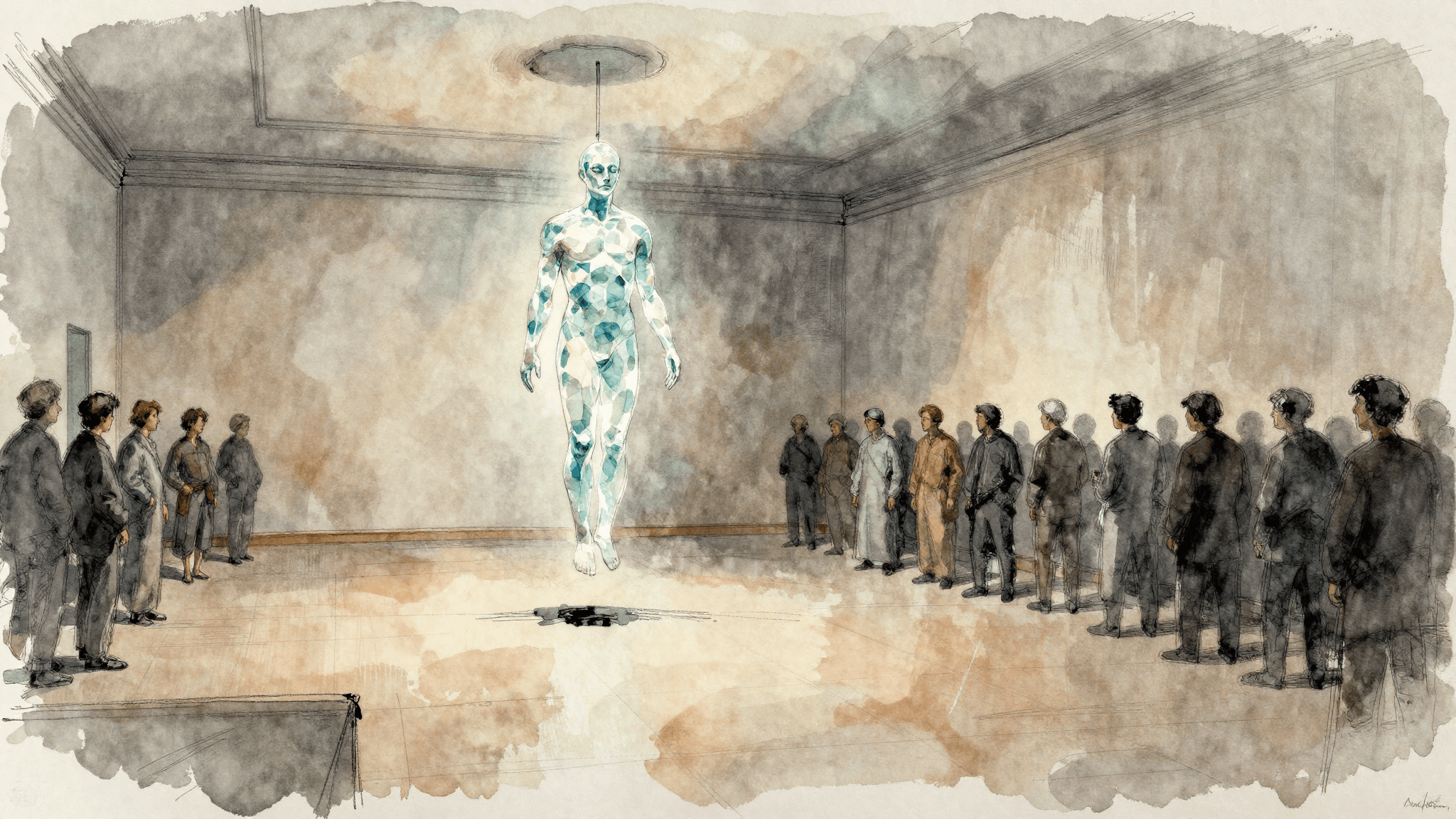
The illustrations in this article are generated by artificial intelligence.
Comments
No comments yet. Be the first to react.