…
World
Germany: 4,389 unfilled positions in health crafts in 2025
Herz — World Desk · · 30s summary · 2 min read
The essentials
In 2025, 4,389 of 7,267 open positions in Germany's health crafts (Gesundheitshandwerk) remained unfilled on average, according to research by Kofa (Kompetenzzentrum Fachkräftesicherung), a workforce research center under the Institute for the German Economy. The most severe shortages affect optical and hearing aid professions. Among master craftsmen (Meister), more than eight out of ten positions went unfilled. Researcher Lydia Malin predicts worsening shortages in coming years, particularly in rural regions.
- 4,389 unfilled positions out of 7,267 openings in German health crafts (2025)
- Eye care and hearing aid professions most severely affected by shortages
- Over 80% of master craftsman positions vacant, threatening apprenticeship pipeline
- Foreign recruitment hindered by high language skill requirements in these trades
- Demographic aging: Lydia Malin warns of worsening shortages ahead
What we know
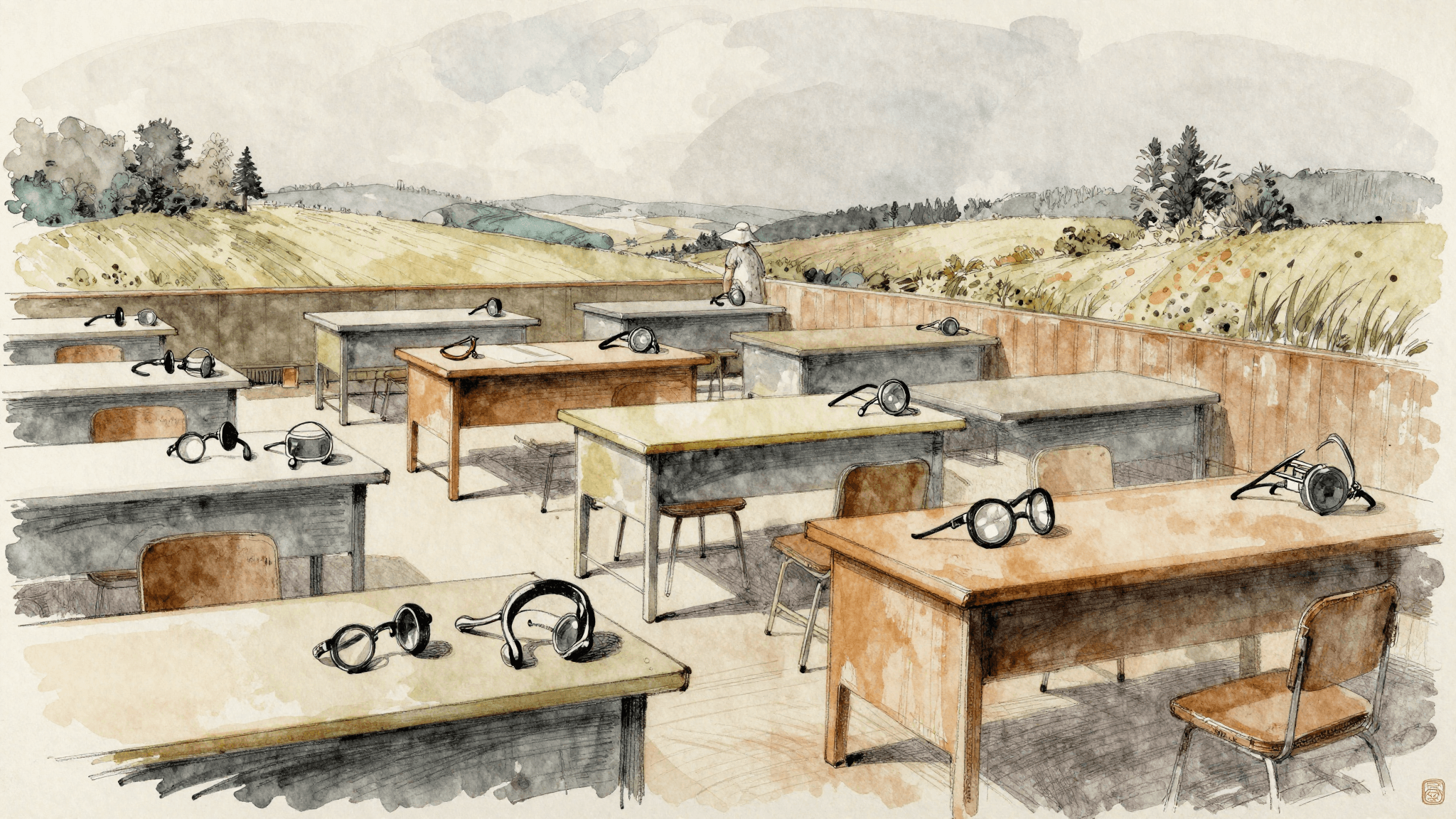
In 2025, 4,389 of 7,267 open positions in Germany's health crafts remained unfilled on average. These professions—grouped under the term Gesundheitshandwerk—include optometry, hearing aid fitting, orthopedics, and dental technology. The figures come from a study by Kofa (Kompetenzzentrum Fachkräftesicherung), a workforce security research center under the Institute for the German Economy (Institut der deutschen Wirtschaft), according to Handelsblatt.
The most significant shortages affect optometry and hearing aid fitting, followed by orthopedics and dental technology. For hearing aid specialists alone, nearly 900 positions remained vacant.
Filled positions2878
Unfilled positions4389
The master craftsman crisis
The situation is particularly acute for master craftsmen (Meister): 1,344 positions, or more than eight out of ten, remained unfilled. This represents one of the largest skilled labor shortages in German crafts.
A legal requirement applies in these trades: only Meister can establish, operate, and provide training in an establishment (Meisterpflicht). If journeymen (Gesellen) also become scarce, the pool of potential future master craftsmen shrinks further.
Why recruitment remains difficult
Lydia Malin, the study's author, points out that hiring foreign workers faces a structural barrier. These professions require explaining complex technical subjects to clients, demanding excellent German language skills.
In most of these professions, the number of apprenticeship positions offered exceeds the applications received. Lydia Malin calls for greater visibility of these trades and their social value, following the model used for 'climate jobs'.
A demographic challenge
Topics
Related articles



Latest articles



The illustrations in this article are generated by artificial intelligence.
Comments
No comments yet. Be the first to react.