…
World
Franchises and the Gig Economy: Bloomberg Podcast Traces Their Historical Link
Herz — World Desk · · 30s summary · 2 min read
The essentials
Bloomberg's 'Odd Lots' podcast, hosted by Joe Weisenthal and Tracy Alloway, released on July 24, 2026 an episode exploring the origins of the franchise model and its connection to the gig economy. Guest Brian Callaci, chief economist at the Open Markets Institute and author of 'Chains of Command', explains how the legal battles fought by franchises enabled platforms like Uber to treat their drivers as independent operators. The episode also addresses worker surveillance in restaurant chains.
- Bloomberg released an episode on franchises and gig economy on July 24, 2026.
- Guest Brian Callaci traces the rise of franchises from the 1950s onward.
- Legal battles fought by franchises paved the way for Uber driver classification.
- Franchise contracts pioneered worker surveillance and control systems.
- Callaci authored 'Chains of Command' on franchise economy dynamics.
What we know
Bloomberg's 'Odd Lots' podcast, hosted by Joe Weisenthal and Tracy Alloway, published on July 24, 2026 an episode titled 'How Franchise Restaurants Opened the Door to the Gig Economy'. It explores the history of the franchise model and its connection to the gig economy, which describes an economic system based on short-term, flexible work and independent contractors.
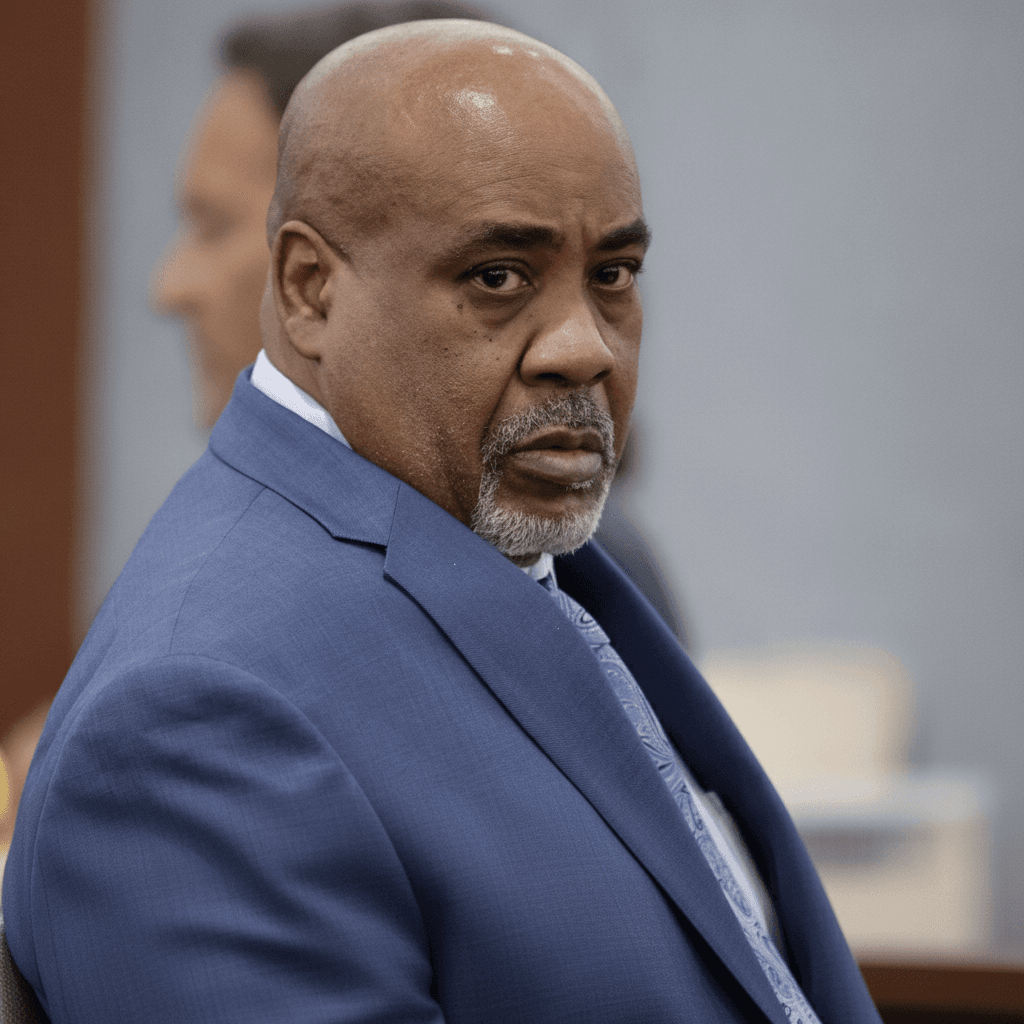
The guest is Brian Callaci, chief economist at the Open Markets Institute and author of the book 'Chains of Command: The Rise and Cruel Reign of the Franchise Economy'.
From fast food to platforms: a legal lineage
The franchise model emerged and rapidly expanded in the 1950s across the United States. Brands such as McDonald's and Dunkin' Donuts enabled independent operators to license their trademarks and operate under their brand standards.
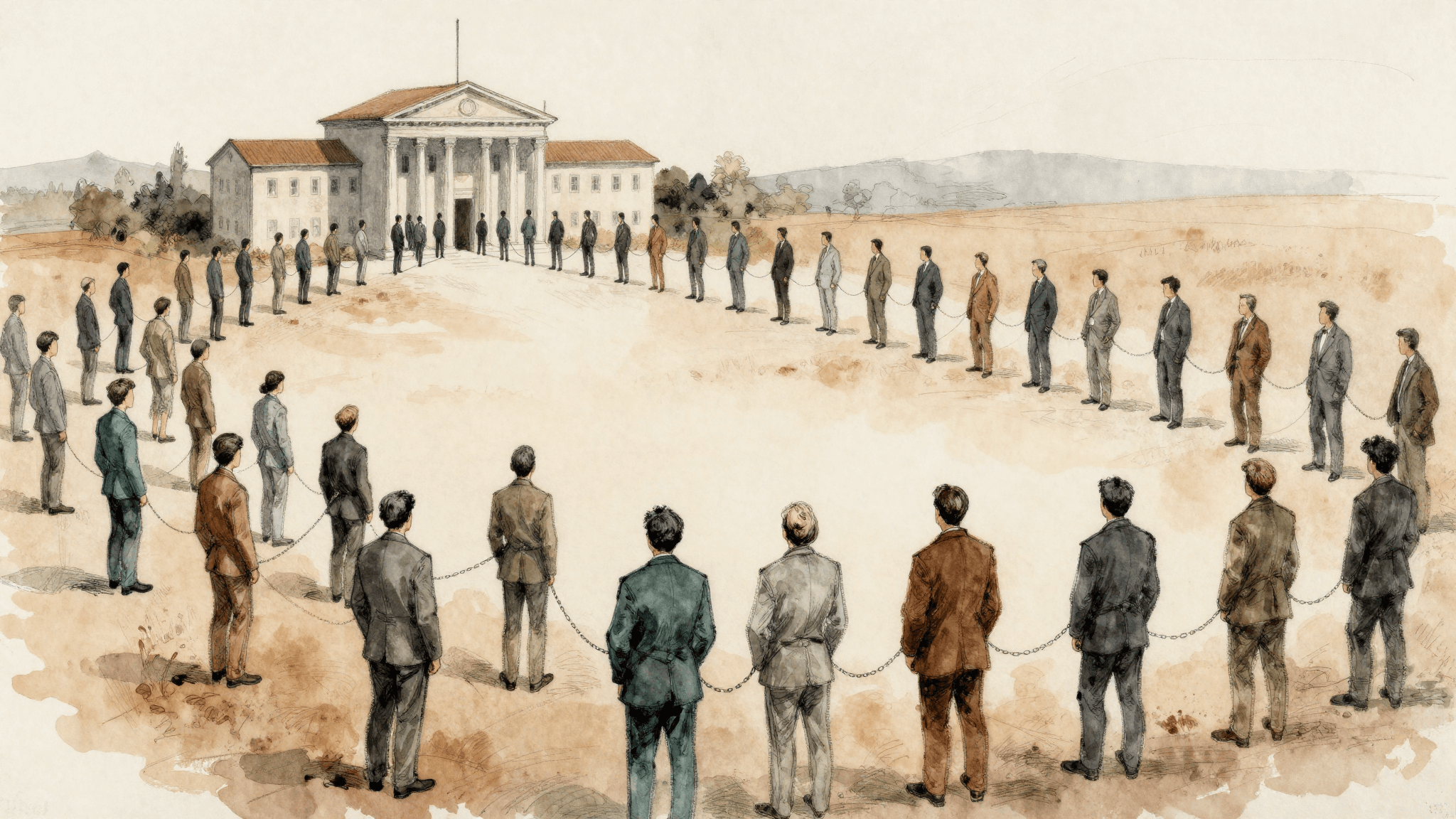
The legal battles waged by these franchise systems opened pathways for the gig economy. They established precedents that allowed platforms like Uber to classify their drivers similarly to franchise operators of local businesses such as Chick-fil-A.
Worker surveillance and control
The episode also examines the pioneering role franchises played in worker monitoring and oversight. Franchise agreements dictate in precise detail how franchisees must operate their businesses. Restaurant chains were among the first to implement systematic worker surveillance mechanisms.
What remains uncertain
The episode is not fully transcribed in available sources. The arguments developed in Brian Callaci's book are not detailed beyond the themes mentioned. No verified description of the Open Markets Institute was available in the sources consulted for this article.
What is the gig economy?
The gig economy is the term used in the Bloomberg episode to describe an economic model where workers like Uber drivers are classified as independent operators rather than traditional salaried employees. It refers to short-term, flexible work arrangements.
What is the legal connection between franchises and gig economy?
According to Brian Callaci in the July 24, 2026 Bloomberg podcast, the legal precedents established by franchise disputes enabled platforms like Uber to treat their drivers as independent contractors, following the model of local franchise operators.
When and how did the franchise model emerge?
The franchise model took off in the 1950s in the United States, allowing independent operators to license brands like McDonald's and Dunkin' Donuts, establishing the foundational structure later adapted by digital platforms.
Topics
Related articles



Latest articles



The illustrations in this article are generated by artificial intelligence.
Comments
No comments yet. Be the first to react.