…
World
Drinking water depollution: report estimates annual cost of €1.3–5.7 billion
Herz — World Desk · · 30s summary · 1 min read
The essentials
A report published on 31 July 2026 by an interministerial inspection mission mandated by several French government ministries presents four scenarios for removing pesticide residues and PFAS from drinking water. PFAS—synthetic organofluorine compounds known as "eternal pollutants" because they persist indefinitely in the environment—number somewhere between 6 and 7 million distinct types. According to Le Monde, these four scenarios represent annual cost overruns of between €1.3 billion and €5.7 billion, depending on the chosen ambition level. The detailed breakdown of each scenario and funding arrangements remain undisclosed.
- Interministerial report on drinking water depollution published 31 July 2026
- Four scenarios identified to eliminate pesticides and PFAS from drinking water
- Annual cost overrun estimated between €1.3 billion and €5.7 billion depending on scenario
- Detailed scenarios and funding arrangements not yet publicly available
What we know
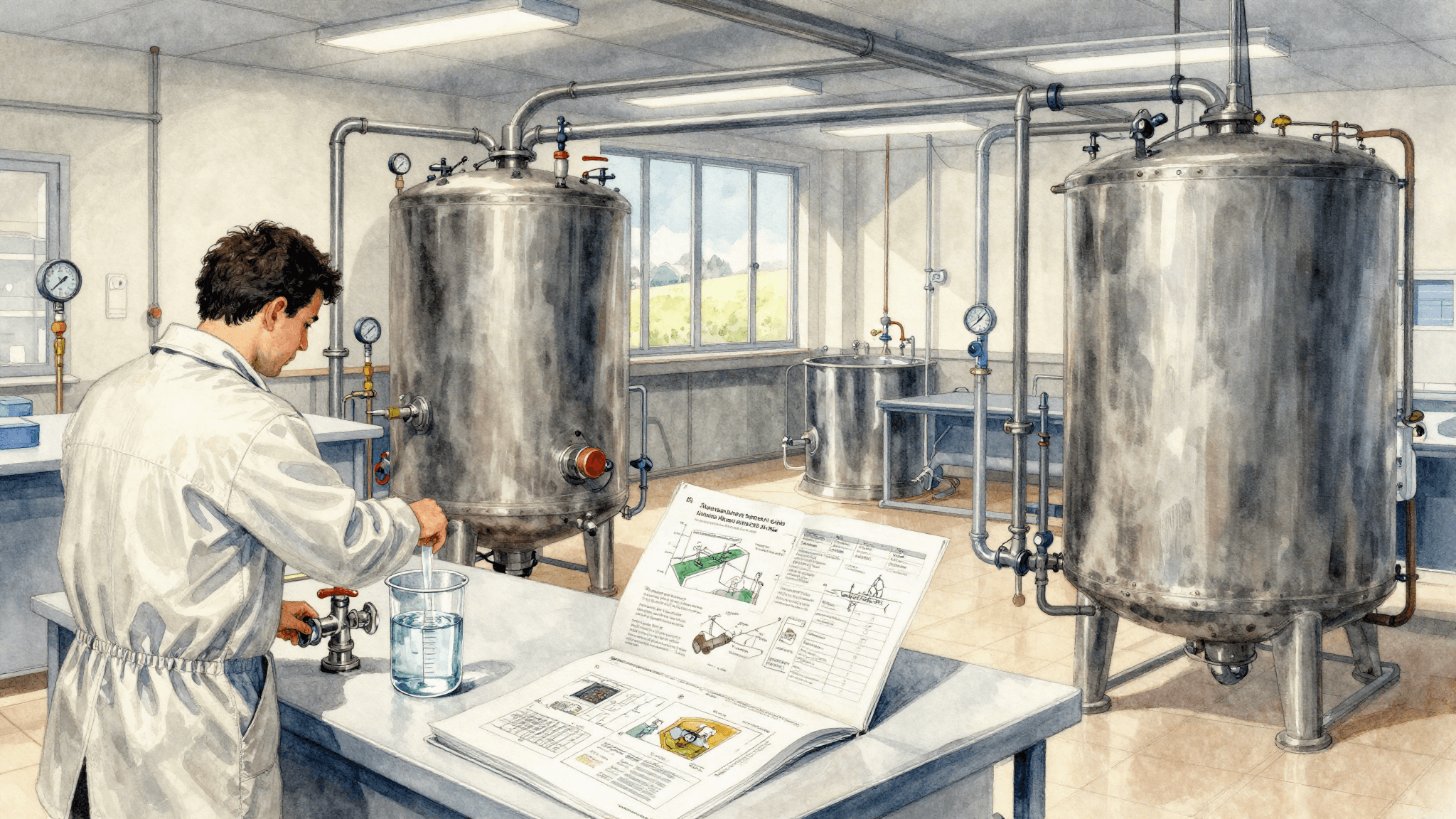
A report published on 31 July 2026, resulting from an interministerial inspection mission mandated by several French government ministries, presents four scenarios for removing pesticide residues and PFAS from drinking water.
PFAS—substances perfluoroalkylated and polyfluoroalkylated—are synthetic organofluorine compounds designated as "eternal pollutants" because of their persistence in the environment. Experts estimate there are probably between 6 and 7 million distinct types.
According to Le Monde, the four scenarios represent annual cost overruns ranging from €1.3 billion to €5.7 billion per year, depending on the level of ambition selected.
What remains uncertain
The precise content of each of the four scenarios is not available in the sources consulted. Funding arrangements—any possible distribution between the state, local authorities, and consumers—are also not specified.
The exact identity of the interministerial inspection mission behind the report is not established with certainty based on available information at this stage.
What are PFAS?
PFAS (substances perfluoroalkylated and polyfluoroalkylated) are synthetic organofluorine compounds that are highly persistent in the environment, often called "eternal pollutants." Experts estimate there are probably between 6 and 7 million distinct types.
How much would drinking water depollution cost?
According to the report published on 31 July 2026, the four depollution scenarios represent annual cost overruns between €1.3 billion and €5.7 billion per year.
What information is still missing?
The detailed breakdown of the four scenarios, their implementation timeline, and funding arrangements have not been disclosed. The precise identity of the interministerial inspection mission is also not confirmed.
Topics
Related articles


Latest articles



The illustrations in this article are generated by artificial intelligence.
Comments
No comments yet. Be the first to react.