…
World
Colombia: 7.4 magnitude earthquake in Chocó region leaves 216 dead
Herz — World Desk · · 30s summary · 1 min read
The essentials
On August 10, 2026 at 07:34, a 7.4 magnitude earthquake struck western Colombia with its epicenter in the Chocó department near San José del Palmar. The death toll was revised to 216, with over 1,600 injured and approximately 2,000 missing. The Colombian government declared a national state of emergency. Hundreds of buildings were destroyed, several hospitals in Cali sustained damage, and the majority of Pereira's 480,000 residents lost electricity. Material damage is estimated at a minimum of $6.3 billion, or roughly 1% of Colombia's GDP. This is the deadliest earthquake in Colombia since the 21st century began. Search and rescue operations continue across affected cities.
- 7.4 magnitude earthquake on August 10, 2026 at 07:34, epicenter in Chocó near San José del Palmar
- Death toll revised to 216 dead, over 1,600 injured, approximately 2,000 missing persons
- Colombian government declares national state of emergency in response to disaster
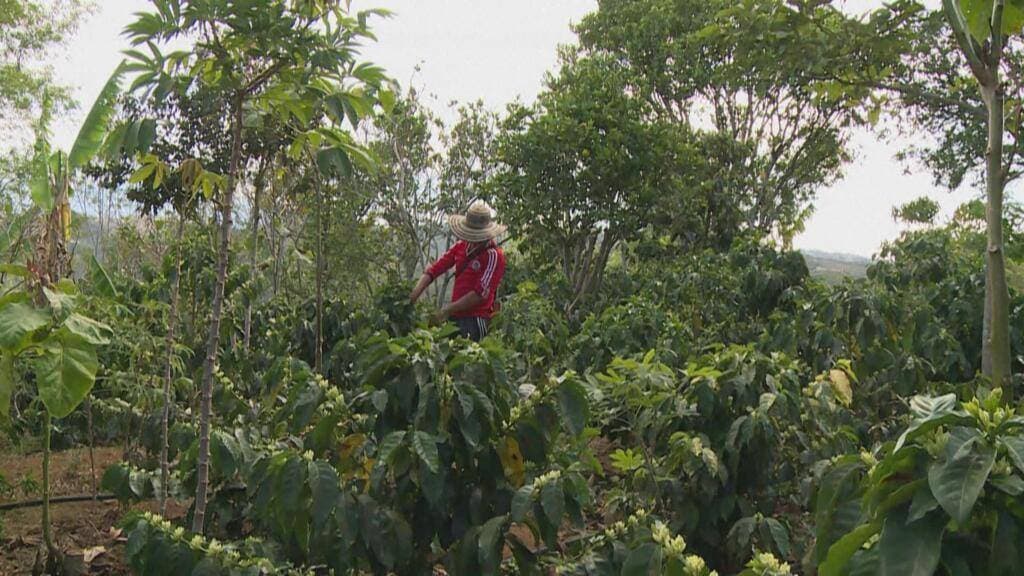
- Estimated damage of $6.3 billion; coffee industry infrastructure severely impacted
- Jurassian-born Action Against Hunger president coordinates on-ground relief operations
What we know
On August 10, 2026 at 07:34, a 7.4 magnitude earthquake struck western Colombia. The epicenter was in the Chocó department — one of Colombia's 32 provinces, bordering Panama and with coastlines on both the Atlantic and Pacific oceans — near San José del Palmar.
This earthquake is considered the deadliest in Colombia since the 21st century began, according to France 24. The government immediately declared a national state of emergency.
Hundreds of buildings were destroyed. Several hospitals in Cali suffered damage, and the vast majority of Pereira's 480,000 residents were left without electricity. Search and rescue operations continued in both cities.
Timeline
- August 10, 2026, 07:347.4 magnitude earthquake strikes Chocó, epicenter near San José del Palmar.
- August 10, 2026 (early hours)Initial reports indicate at least 240 dead and over 1,300 injured.
- Tuesday evening (August 11, 2026)Authorities revise toll to 216 dead and over 1,600 injured. National state of emergency declared.
Human toll
Tuesday evening's revised toll stands at 216 dead and over 1,600 injured. Approximately 2,000 people remain missing.
Dead216
Injured1600
Topics
Source
Related articles
Latest articles
The illustrations in this article are generated by artificial intelligence.
Comments
No comments yet. Be the first to react.