…
World
Canada: 34,000 lightning strikes in one week ignite British Columbia during record-breaking wildfire season
Herz — World Desk · · 30s summary · 3 min read
The essentials
Some 34,000 lightning strikes hit British Columbia in one week, triggering 90 active fires and 25 evacuation orders as of July 24, 2026, according to The Guardian. Northwestern Ontario logged 139 active fires, 32 of which are out of control. Overall, 2.95 million hectares burned across Canada in 2026, exceeding the ten-year average of 2.55 million. Prime Minister Mark Carney called the season one of the most intense ever recorded. Ottawa is mobilizing over 5,300 firefighters and approximately 300 aircraft; Mexico is to send up to 200 reinforcements.
- 34,000 lightning strikes in one week triggered 90 active fires and 25 evacuation orders in British Columbia by July 24
- 2.95 million hectares burned in Canada in 2026, exceeding the ten-year average of 2.55 million hectares
- PM Carney calls 2026 wildfire season one of the most intense ever recorded in Canada
- Over 5,300 firefighters and ~300 aircraft deployed; Mexico sending up to 200 additional firefighters
- Smoke from Canadian fires reached eastern US coast and Midwest the week before July 24
What we know
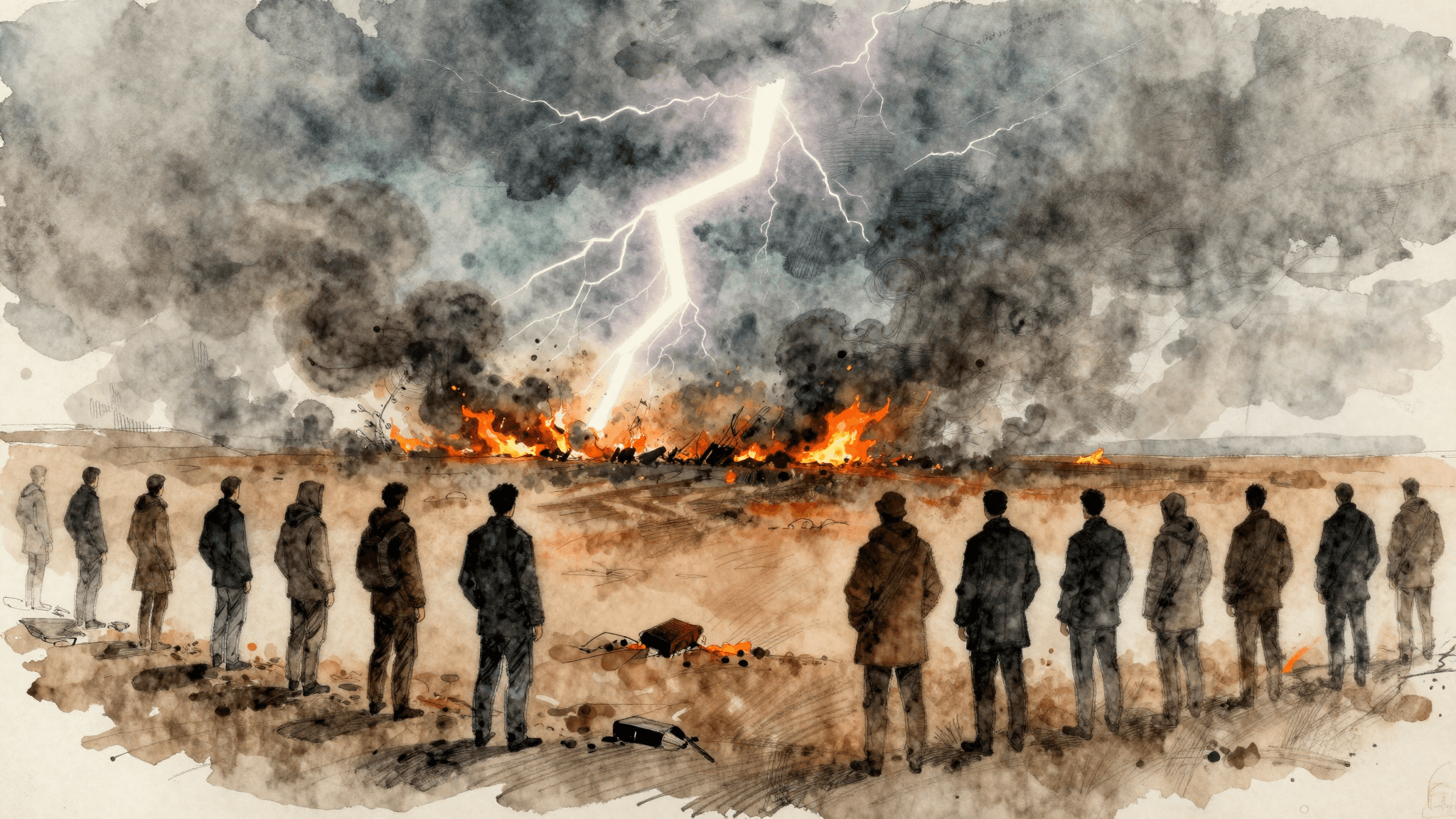
Some 34,000 lightning strikes hit British Columbia during the week before July 24, 2026, according to The Guardian. These storms triggered a series of fires and evacuation orders in the province's southern regions.
By the morning of July 24, 2026, the province counted 90 active fires and 25 evacuation orders. Warming and drying conditions threatened to worsen the situation in the hours ahead.
A historically intense season
By July 24, approximately 2.95 million hectares had burned across Canada in 2026, compared to a ten-year average of 2.55 million. The country also recorded more active fires than at the same time in either of the two preceding years.
Prime Minister Mark Carney called the 2026 wildfire season one of the most intense ever recorded in Canada.
Ten-year average2.55
2026 (as of July 24)2.95
National and international mobilization
The Canadian federal government is mobilizing over 5,300 firefighters and approximately 300 aircraft—water bombers, helicopters, and evacuation planes—to fight the fires.
Mexico is to send up to 200 additional firefighters to Canada in the coming weeks to reinforce ground crews.
Situation in other provinces
In northwestern Ontario, 139 fires were active, including 32 classified as out of control.
In Quebec, the situation is reported as under control. Stéphane Caron of SOPFEU, Quebec's nonprofit Forest Fire Protection Society, indicated that favorable weather conditions and reinforcements from neighboring provinces, France, and the United States enabled the fires to be contained.
Topics
Related articles
Latest articles
The illustrations in this article are generated by artificial intelligence.
Comments
No comments yet. Be the first to react.