…
World
Australia's fuel excise tax returns to full rate on August 2, 2026
Herz — World Desk · · 30s summary · 3 min read
The essentials
The Australian government is ending its fuel excise tax reduction at midnight on August 2, 2026, as confirmed by Treasurer Jim Chalmers. The cut, introduced on April 1, had reduced the federal fuel excise from 52.6 to 20.6 cents per litre to combat the oil crisis triggered by the Strait of Hormuz closure. Through July, it was partially maintained at 36.6 cents per litre. With semi-annual inflation indexation now applying, the excise stands at approximately 53.7 cents per litre. Wholesale unleaded petrol is expected to rise from around $1.83 to $2.00 Australian dollars per litre within one to two weeks.
- Fuel excise tax rising to approximately 53.7 cents per litre on August 2, 2026
- Unleaded petrol wholesale price expected to rise from $1.83 to approximately $2.00 AUD per litre
- The reduction measure cost Australian taxpayers $2.55 billion
- Price increases expected to reach consumers within one to two weeks
- Measure was temporary emergency response to Strait of Hormuz oil crisis
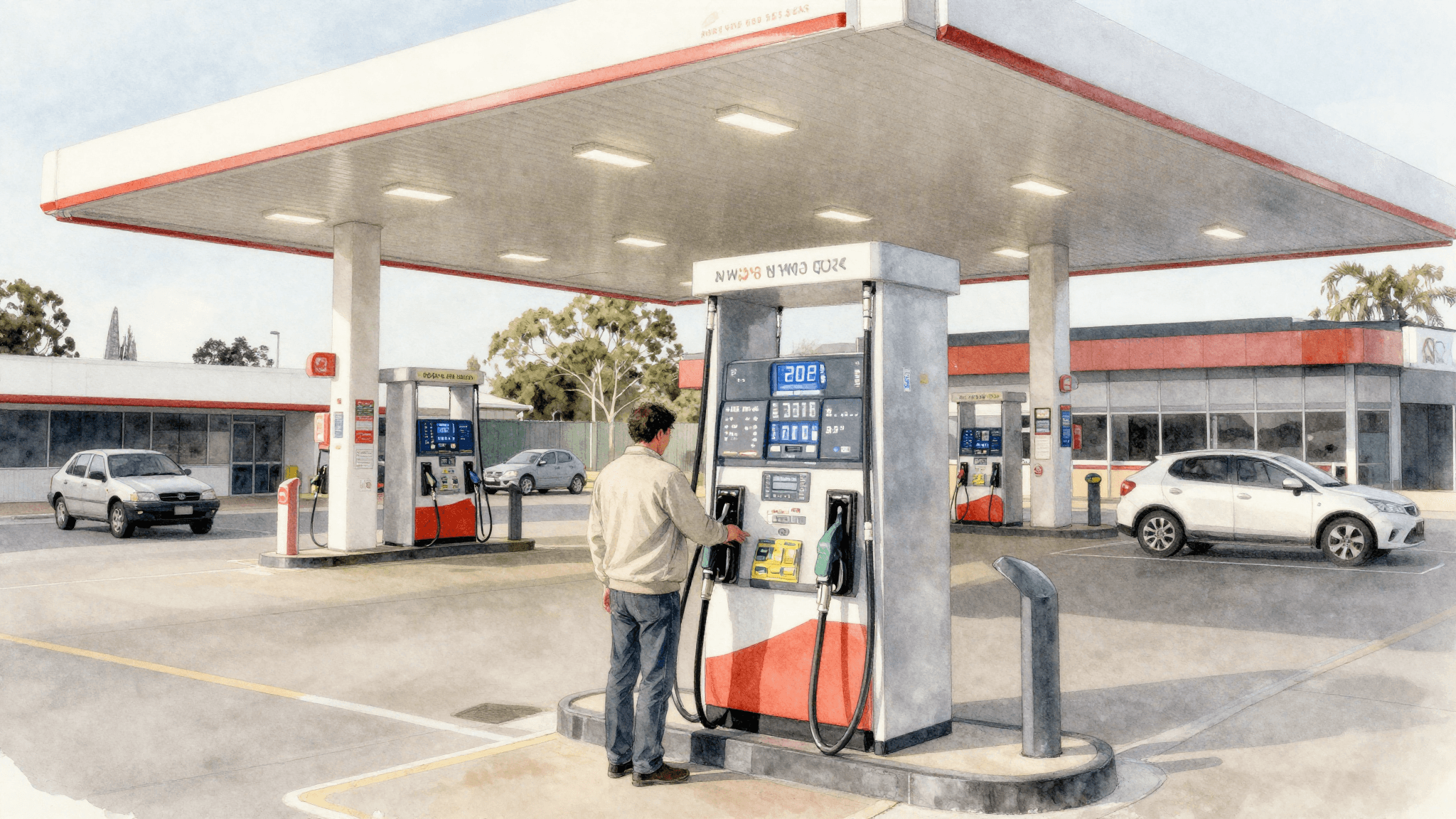
What we know
The Australian government has ended its fuel excise tax reduction — a tax levied per litre of petrol and diesel — at midnight on August 2, 2026. Treasurer Jim Chalmers, who confirmed the end of the measure, stressed that it was never designed to be permanent.
Since April 1, 2026, this tax had been cut from 52.6 to 20.6 cents per litre, a discount of 32 cents per litre on wholesale prices. The measure was then extended to August 2 at an intermediate rate of 36.6 cents per litre, reducing the discount to just 16 cents per litre.
Coinciding with the end of the reduction, the tax has undergone its semi-annual inflation indexation. According to the Australian Tax Office, the rate now stands at approximately 53.7 cents per litre.
Before April 202652.6
Maximum cut (April 2026)20.6
Intermediate rate (July 2026)36.6
After indexation (August 2026)53.7
Context
The excise cut was part of a broader set of economic support measures adopted by the federal government in response to the oil crisis caused by the Strait of Hormuz closure.
The measure was projected to cost Australian taxpayers $2.55 billion. Economists warned that it could worsen inflation.
Impact on petrol prices
Topics
Related articles
Latest articles
The illustrations in this article are generated by artificial intelligence.
Comments
No comments yet. Be the first to react.