…
World
Audi Neckarsulm: VW savings plan rejected by supervisory board, site's future uncertain
Herz — World Desk · · 30s summary · 3 min read
The essentials
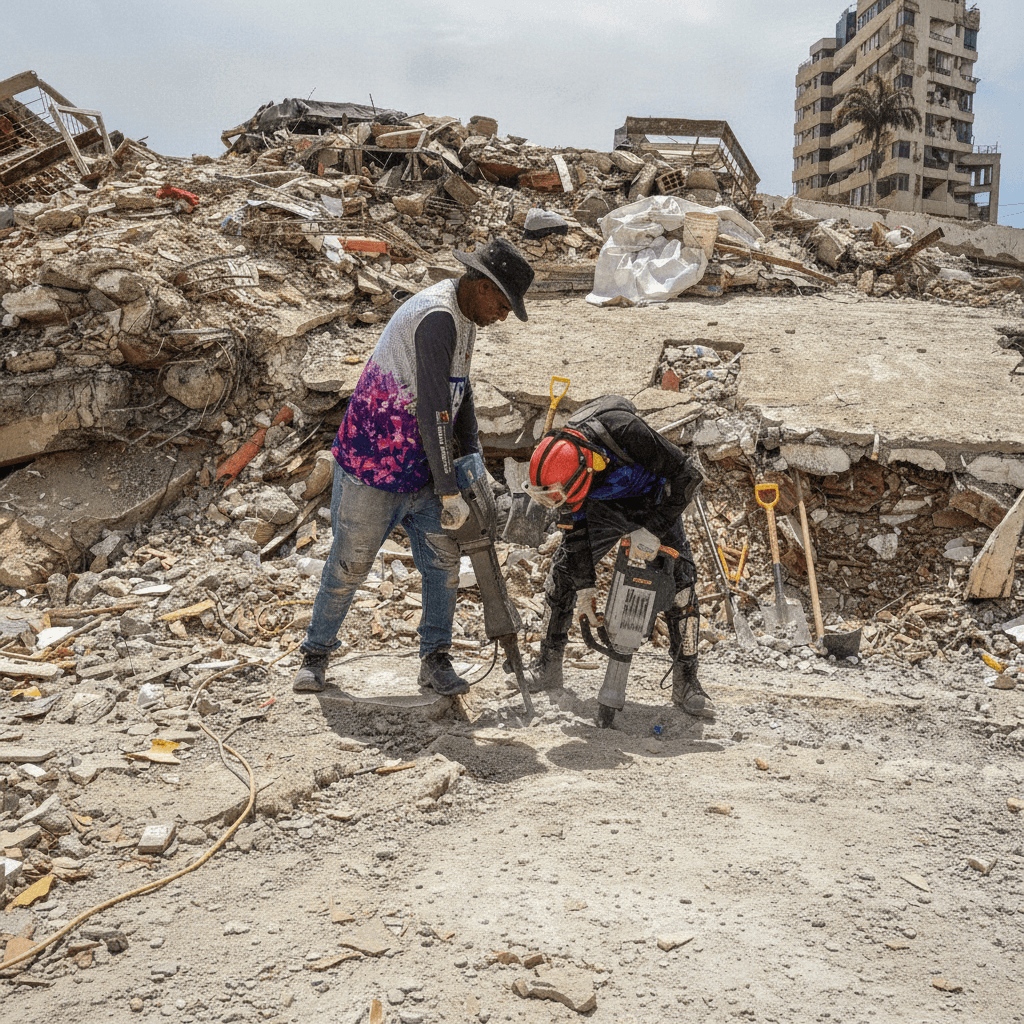
Volkswagen's supervisory board has rejected, by 7 votes to 5, the cost-cutting plan presented on July 9 by CEO Oliver Blume. This plan would have resulted in 55,000 to 70,000 job losses and the closure of four plants, including the Audi facility in Neckarsulm. While immediate closure has been avoided, the site's future remains uncertain: its annual production capacity could be reduced from 225,000 to 150,000 units. Neckarsulm produces only petrol and diesel models (A5, A6, A7, A8) and has received no guarantees of survival from Audi CEO Gernot Döllner.
- VW supervisory board rejected Blume's cost-cutting plan on July 9 (7 votes against 5)
- The plan proposed 55,000 to 70,000 job cuts and closure of 4 plants including Neckarsulm
- Neckarsulm produces only petrol and diesel models with no electric vehicles currently built there
- Production capacity could be cut from 225,000 to 150,000 units annually
- Audi CEO Gernot Döllner has given no guarantees the Neckarsulm site will remain open
What we know
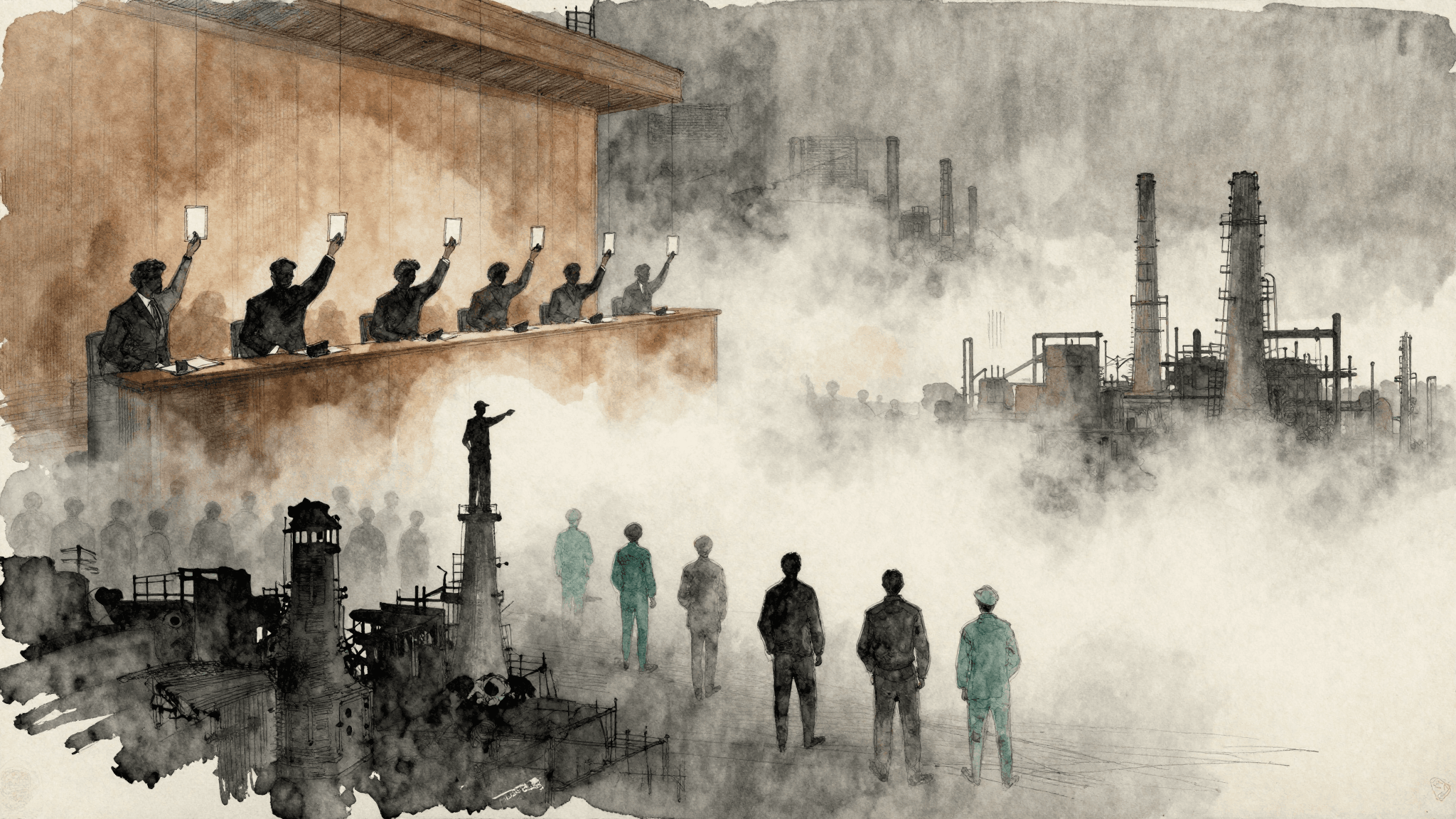
Volkswagen's supervisory board rejected, by 7 votes to 5, the cost-cutting plan presented by CEO Oliver Blume, according to Handelsblatt reports. The vote revealed deep tensions between employee representatives and shareholders.
On July 9, Blume presented this plan to the supervisory board. In purely quantitative terms, it could have resulted in 55,000 to 70,000 job losses across the group and the closure of four plants: Neckarsulm, Zwickau, Emden, and Hanover.
The Audi Neckarsulm plant, which has operated for 57 years, was at the center of these discussions. Blume had questioned its future as part of a cost-cutting program aimed at saving several billion euros across the group.
A site focused solely on petrol engines
The Neckarsulm facility produces no electric vehicles. It manufactures only petrol and diesel models—the A5, A6, A7, and A8—unlike Audi's main plant in Ingolstadt.
Last year, approximately 180,000 vehicles were produced there. Internal sources point to a possible reduction in annual capacity from 225,000 to 150,000 units—half the 2019 level, when the plant operated at 300,000 units per year.
2019 capacity300
Current capacity225
Actual production (last year)180
Discussed target150
Topics
Related articles


Latest articles

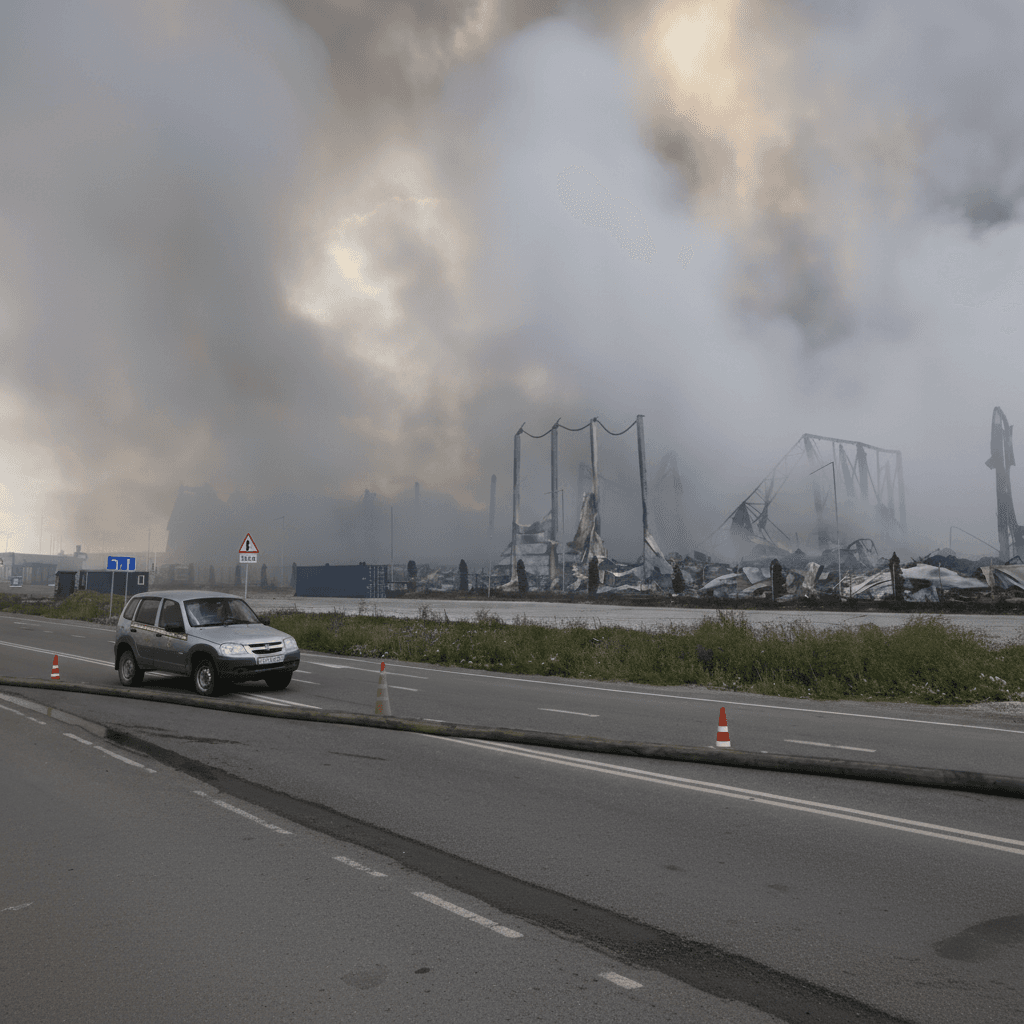
The illustrations in this article are generated by artificial intelligence.
Comments
No comments yet. Be the first to react.