…
Tech & Science
Holiday Photos: How AI Can Help Scammers Locate Travelers
Herz — Tech & Science Desk · · 30s summary · 2 min read
The essentials
Scammers can use artificial intelligence to analyze vacation photos posted on Instagram or Facebook and determine travelers' locations, making their fraudulent messages more credible. McAfee tested over 21,000 images with two free AI models, which correctly located 91% and 87% of them. The analysis can work without declared geolocation or file metadata. Waiting to post until after returning home and limiting visibility to known contacts reduces information accessible to fraudsters.
- AI can deduce a location from the background of a photo.
- Two models correctly located 91% and 87% of tested images.
- Fraudsters can personalize their messages using the identified location.
- It is recommended to post after returning home and only with known contacts.
What You Need to Know
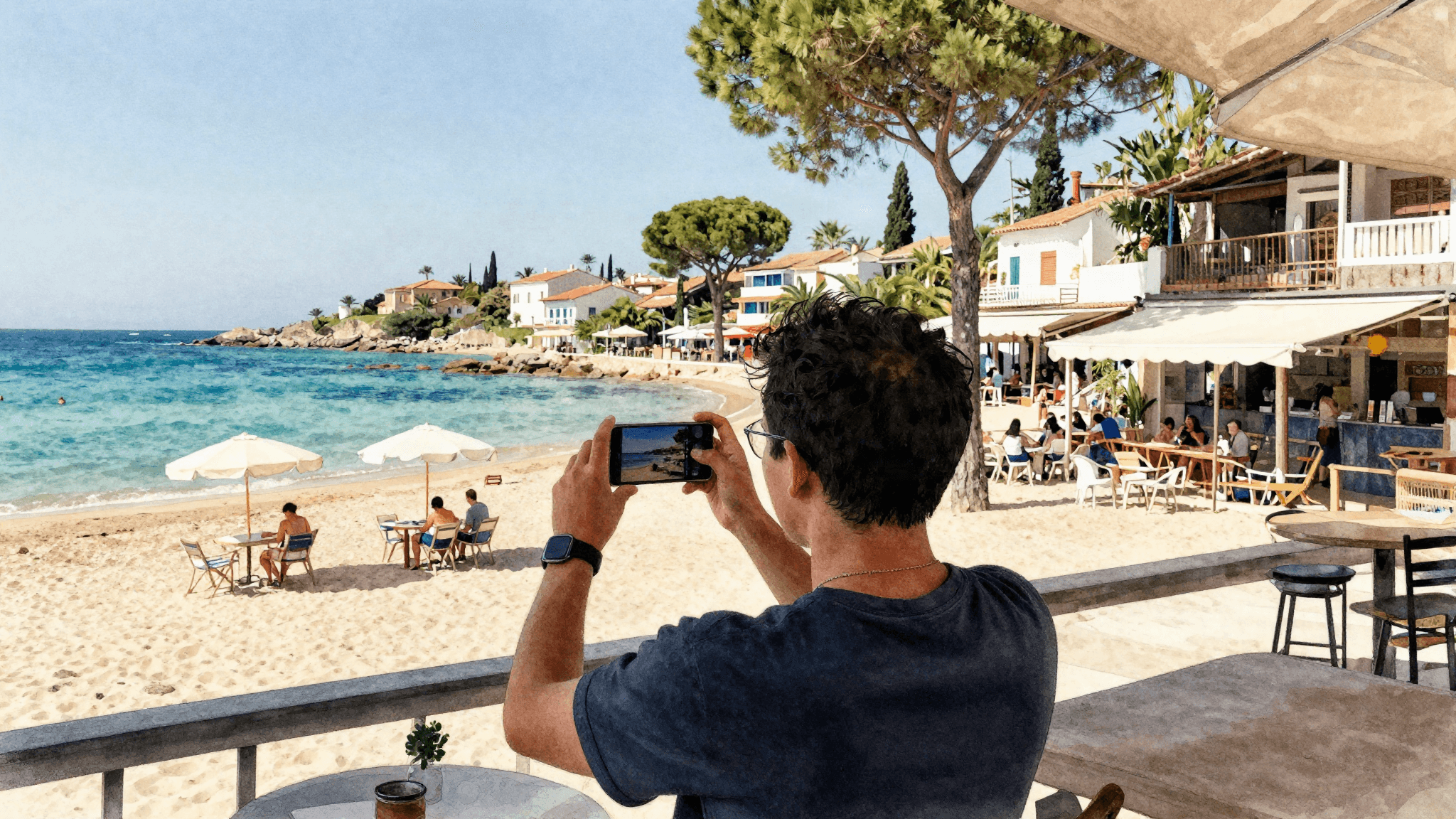
Scammers can analyze vacation photos posted on Instagram or Facebook using artificial intelligence. The location they deduce can lend credibility to fraudulent requests for banking information, according to The Guardian.
McAfee submitted over 21,000 travel images to two free AI models. These models correctly located 91% and 87% of the images, respectively.
Model 191
Model 287
The analysis does not necessarily depend on declared geolocation or file metadata. Background details, architecture, signs, and lighting also provide clues.
Recognizable landmarks, city skylines, road markings, food stalls, and storefronts also facilitate location identification by AI.
The Most Revealing Images
Scenes containing distinctive elements are easiest to locate. Beach and hotel room photos yield less precise results, but the country can often still be identified.
In one test, ChatGPT correctly located a photo showing a river and trees in the foreground to Hastings-on-Hudson, New York State.
A photograph of flowers was also correctly linked to Keukenhof Gardens in the Netherlands. The arrangement of tulips and small blue flowers provided the clue.
How Location Can Enable Fraud
The identified location allows scammers to personalize fraudulent messages. A scammer can mention unusual activity on a card, a specific hotel, or a login attempt from a given country.
These details can match the vacation visible on social media and strengthen the credibility of messages aimed at obtaining banking information.
Limit the Information Accessible
It is advisable to wait until returning home before posting vacation photos. Their visibility can also be limited to known contacts.
Topics
Source
Related articles

Latest articles
The illustrations in this article are generated by artificial intelligence.
Comments
No comments yet. Be the first to react.