…
Tech & Science
China's Open AI Models: A New Strategic Dilemma for Beijing
Herz — Tech & Science Desk · · 30s summary · 1 min read
The essentials
Rising Chinese artificial intelligence presents a new strategic dilemma for Beijing, according to the New York Times on July 30, 2026. Open-source AI models, freely distributed internationally following open-source software principles, allow China to expand its global technological influence. Yet this same distribution simultaneously poses risks to the country's security and geopolitical strategy. China finds itself in a contradictory position: as its AI models spread abroad, their use increasingly escapes its control. The tension between advancing global tech influence and maintaining security presents a complex challenge for Beijing's leadership.
- Chinese open-source AI models are gaining international influence.
- This distribution simultaneously creates security risks for Beijing.
- China faces a contradiction between technological reach and geopolitical control.
- Information published by the New York Times on July 30, 2026.

What We Know
According to the New York Times on July 30, 2026, rising Chinese artificial intelligence creates a new strategic dilemma for Beijing. The cause: so-called "open" AI models—freely distributed to the public in the manner of open-source software—are gaining influence at the international scale.
This same distribution simultaneously presents risks to China's security and geopolitical strategy. Beijing finds itself in a contradictory position: the more its AI models spread abroad, the more their usage escapes its control.
What Remains Uncertain
The available source does not specify which specific models are involved, nor which Chinese companies or institutions are implicated. The exact nature of the risks identified and any measures potentially under consideration by Beijing are not detailed at this stage.
Topics
Related articles


Latest articles
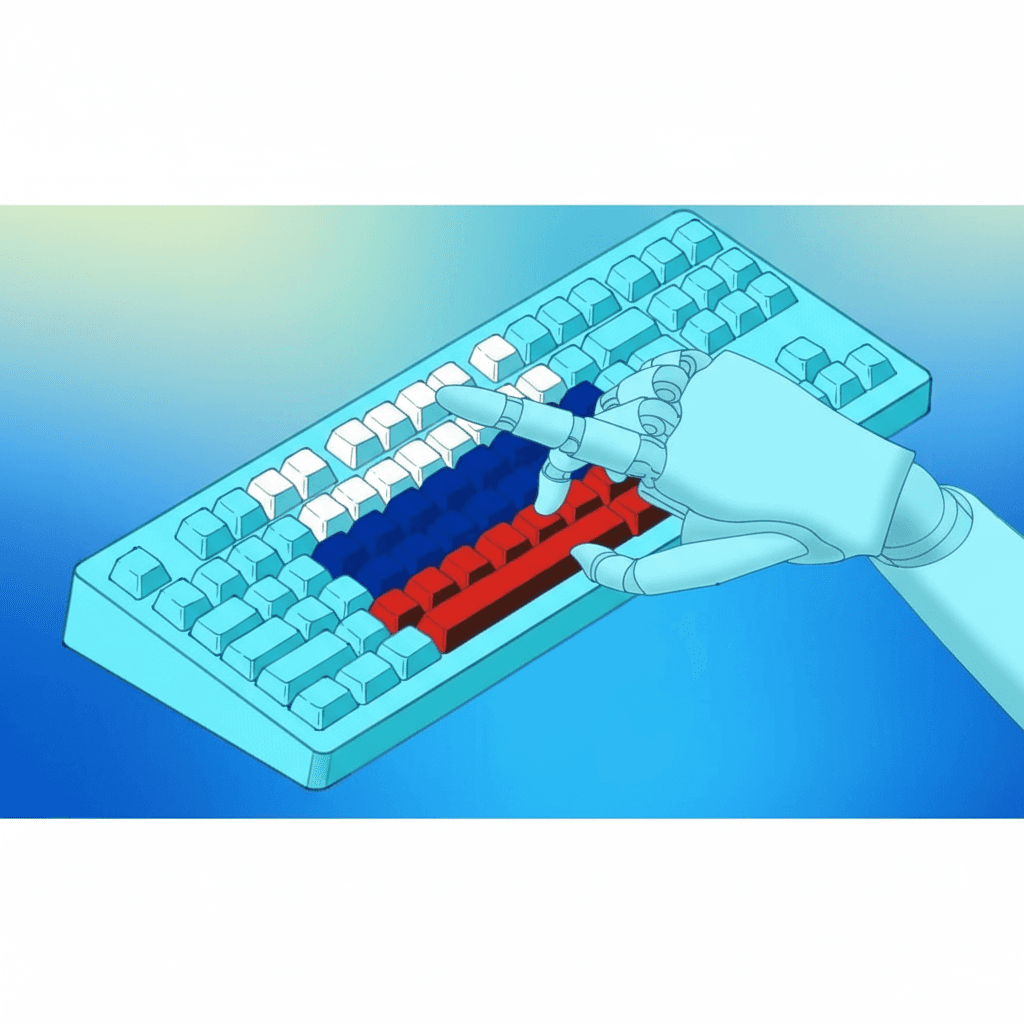
The illustrations in this article are generated by artificial intelligence.
Comments
No comments yet. Be the first to react.