…
Switzerland
At Least 15 Drowning Deaths in Switzerland in One Month; 2026 Toll Already Exceeds 2024 and 2025
Herz — Switzerland Desk · · 30s summary · 2 min read
The essentials
By July 21, 2026, at least 15 people have drowned in Switzerland within one month, including two recent deaths in the Aar River, according to data from the Swiss Rescue Society (SSS) shared with Keystone-ATS, Switzerland's primary news agency. This toll already exceeds the 2024 and 2025 figures but remains below 2022 and 2023 levels. Most fatal accidents occur in natural bodies of water—lakes and rivers—where conditions are less predictable than in swimming pools. Young adults aged 17 to 32 and people over 65 represent the highest-risk groups. Men are significantly more likely to be victims than women. Since 1974, Switzerland has seen a continuous decline in annual drowning deaths.
- At least 15 drowning deaths recorded in one month in Switzerland by July 21, 2026.
- 2026 toll already exceeds 2024 and 2025 figures but remains below 2022 and 2023 levels.
- Young adults (17–32 years) and people 65+ are at highest risk; men significantly more affected.
- Most fatal drownings occur in natural waters (lakes and rivers) where conditions are unpredictable.
- Since 1974, annual drowning deaths in Switzerland have declined substantially, stabilizing around 50 per year.
What We Know
By July 21, 2026, at least 15 people have drowned in Switzerland within one month, including two recent deaths in the Aar River, according to data from the Swiss Rescue Society (SSS) shared with Keystone-ATS, Switzerland's primary news agency.
The 2026 toll already exceeds the figures for 2024 and 2025 but remains lower than those for 2022 and 2023.
Who Are the Victims?
Two groups are particularly vulnerable to fatal drowning in Switzerland. Young adults aged 17 to 32 are more prone to risky behavior. People over 65 are vulnerable due to health-related factors.
Men are significantly more likely to be drowning victims than women.
Where Do Accidents Occur?
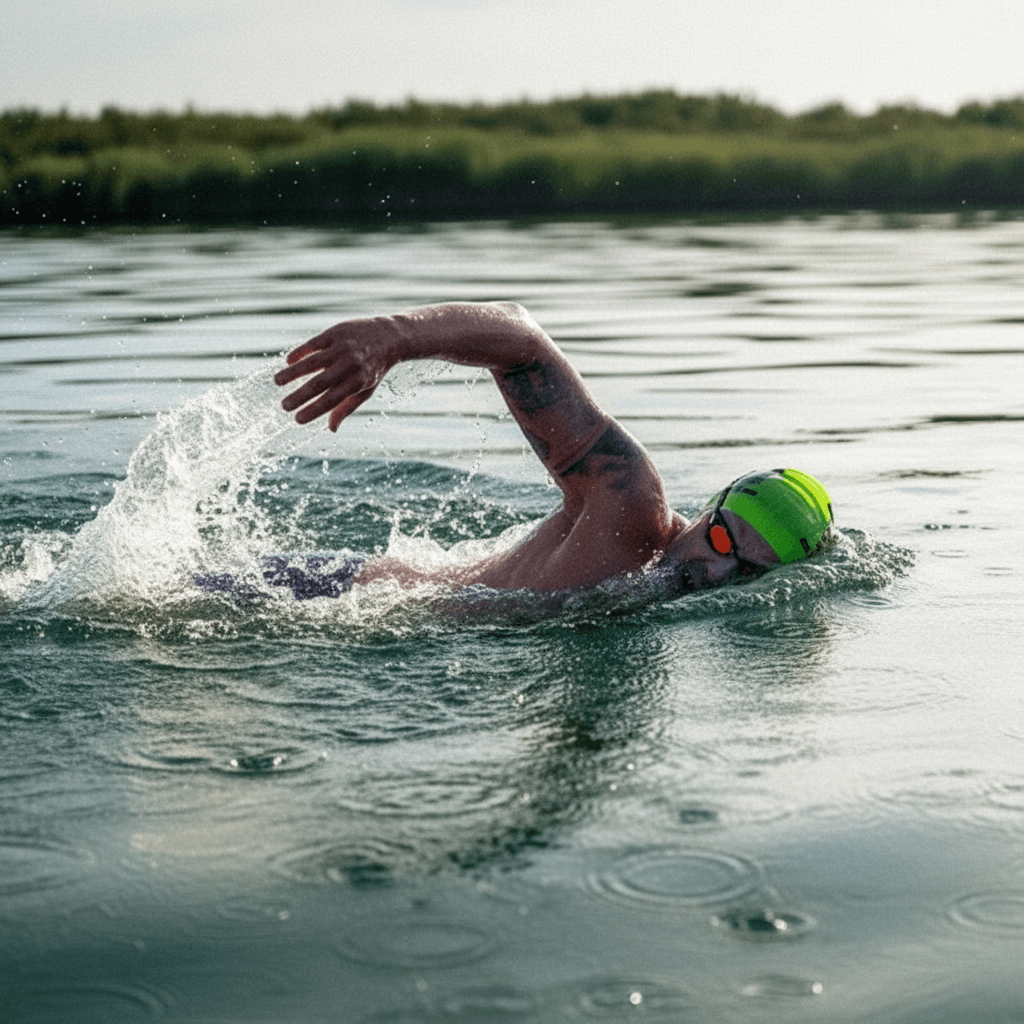
Most fatal accidents occur in natural bodies of water—lakes and rivers—where conditions are less predictable than in swimming pools.
In rivers, the main hazards are currents, submerged obstacles, dams, and difficult exit points. In lakes, swimmers often underestimate distances, water temperature, and weather changes.
Identified Risk Factors
Fair weather attracts more people to the water and increases exposure to risk. The SSS identifies two recurring factors: overestimating one's swimming abilities and underestimating hazards, particularly changing currents.
Fifty Years of Declining Drowning Rates
Drowning mortality was far higher in Switzerland during the last century: 211 deaths were recorded in 1934 and 147 in 1974. Since then, the annual toll has continuously declined.
This decline is attributed to swimming instruction and safety regulations implemented by the SSS. In recent years, drowning deaths have stabilized at approximately 50 per year. In 2025, the rate was approximately 0.5 deaths per 100,000 inhabitants.
1934211
1974147
Topics
Related articles
Latest articles
Comments
No comments yet. Be the first to react.