…
Switzerland
Dissident Appearances: A 428-Page Book on Two Centuries of Queer Expression in the Francophone World
Herz — Switzerland Desk · · 30s summary · 3 min read
The essentials
"Dissident Appearances: Queer Self-Representations from the 19th Century to Today" has just been published by art & fiction (428 pages). Directed by art historians Elizabeth Fischer (HEAD, Geneva) and Magali Le Mens (University of Rennes 2), the collaborative work explores how appearance became a space of resistance across the Francophone world—Belgium, French-speaking Canada, France, Guadeloupe, and Switzerland. The book highlights Ida Erne (1906–1990), a pioneer of Swiss lesbian fiction, and analyzes everyday objects such as t-shirts and backpacks as vectors of queer identity and resistance.
- 428-page collection published by art & fiction, directed by two art historians
- Covers five Francophone regions: Belgium, French-speaking Canada, France, Guadeloupe, and Switzerland
- Ida Erne (1906–1990), pioneering Swiss lesbian writer, featured among key subjects examined
- T-shirts and backpacks analyzed as vectors of queer resistance based on who wears them and when
- Examines publications like Gai Pied magazine and groups such as the Sisters of Perpetual Indulgence
What We Know
"Dissident Appearances: Queer Self-Representations from the 19th Century to Today" was just published by art & fiction, according to Le Temps. The 428-page collection is directed by art historian Elizabeth Fischer, affiliated with HEAD (Geneva), and Magali Le Mens of the University of Rennes 2. Swiss non-binary poet Klimte contributes poetic texts to the work.
Grounded in cultural studies perspectives, the collection brings together studies of five Francophone spaces: Belgium, French-speaking Canada, metropolitan France, Guadeloupe, and Switzerland. Le Temps describes bringing these regions together in a single volume as a "truly innovative" approach.
Ordinary Objects as Tools of Resistance
The work demonstrates how ordinary clothing and accessories become charged with political meaning. The t-shirt, originally a men's undergarment, became a vehicle for slogans. The backpack, initially associated with hiking, was repurposed as a tool for feminist activism.
These objects become vectors of queer resistance depending on who wears them and in what context—a central argument of the book.
Ida Erne, Pioneer of Swiss Lesbian Fiction
The book devotes considerable attention to Ida Erne (1906–1990), presented as a pioneer of Swiss lesbian fiction. Her manuscript "Autrement que les autres" (Otherwise Than the Others) recounts a romance between two women in 1950s Zurich.
Entrusted to researcher Madeleine Marti late in life, this manuscript was published in 2022 by Paulette Éditrice, in a French translation by Nathalie Garbely.
Publications and Movements Examined in the Book
The book examines several queer publications and collectives. Gai Pied, later renamed Gai Pied Hebdo, was a French magazine for homosexuals: founded in 1979 by Jean Le Bitoux, it ceased publication in 1992.
The Sisters of Perpetual Indulgence, a mixed and international LGBTQ+ activist movement founded in San Francisco in 1979, are also examined. The movement has 116 local organizations called "convents" worldwide; it works against homophobia, for AIDS prevention, and for "universal joy."
The magazine Lesbia and the effeminists movement are also included in the book. Both references appear in the consulted sources but lack independently verifiable encyclopedic definitions within this article's scope.
What Remains Unclear
The full name of the HEAD institution in Geneva is not specified in available sources. While the effeminists movement and Lesbia magazine are cited in the book, no independently verifiable definitions could be found for these two references. The consulted sources provide no details on the exact publication date or print run of the book.
What is "Dissident Appearances"?
Topics
Related articles
Latest articles
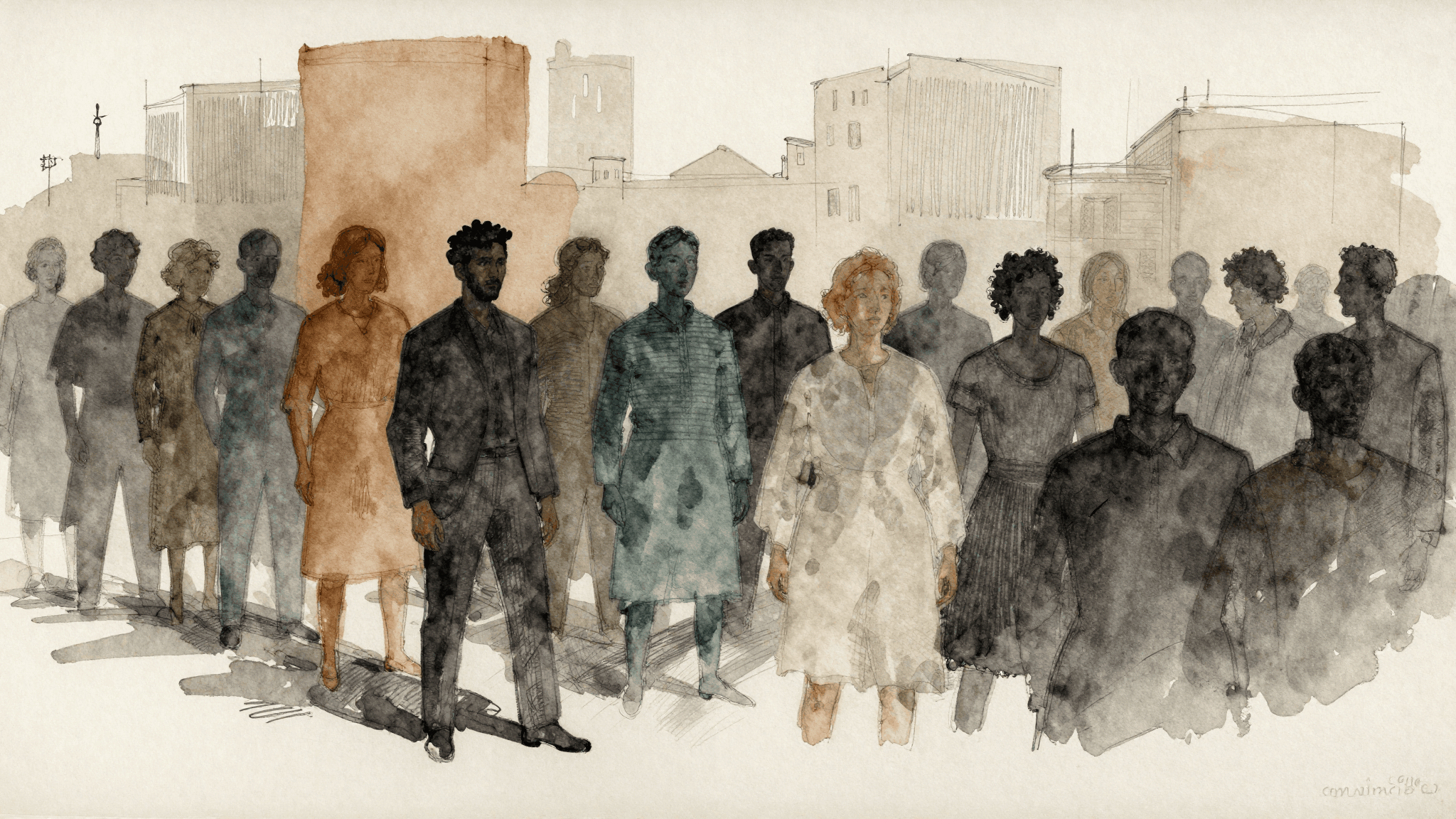
The illustrations in this article are generated by artificial intelligence.
Comments
No comments yet. Be the first to react.