…
Business
South Africa: Central Bank Holds Rates at 7%, Defying Market Expectations
Herz — Business Desk · · 30s summary · 2 min read
The essentials
The South African Reserve Bank (SARB) maintained its policy rate at 7% on July 23, 2026, according to ANSA, defying market expectations for a second consecutive rate increase. Governor Lesetja Kganyago announced the decision following the Monetary Policy Committee meeting. The commercial bank prime rate remains at 10.5%. SARB's base scenario forecasts unchanged rates for the rest of 2026, though Kganyago left open the possibility of a rate cut by year-end. Inflation is expected to stay above 4% through the rest of 2026, with service prices exceeding 3% signaling underlying inflationary pressures.
- Interest rates held at 7% on July 23, 2026, defying expectations for a second consecutive hike.
- Governor Kganyago leaves the door open for a possible rate cut by year-end 2026.
- Inflation forecast to remain above 4% through end of 2026.
- First SARB mention of municipal service deficiencies as a constraint on growth.
- Risk of food price surge in 2027 linked to El Niño, not yet in official forecasts.
What we know
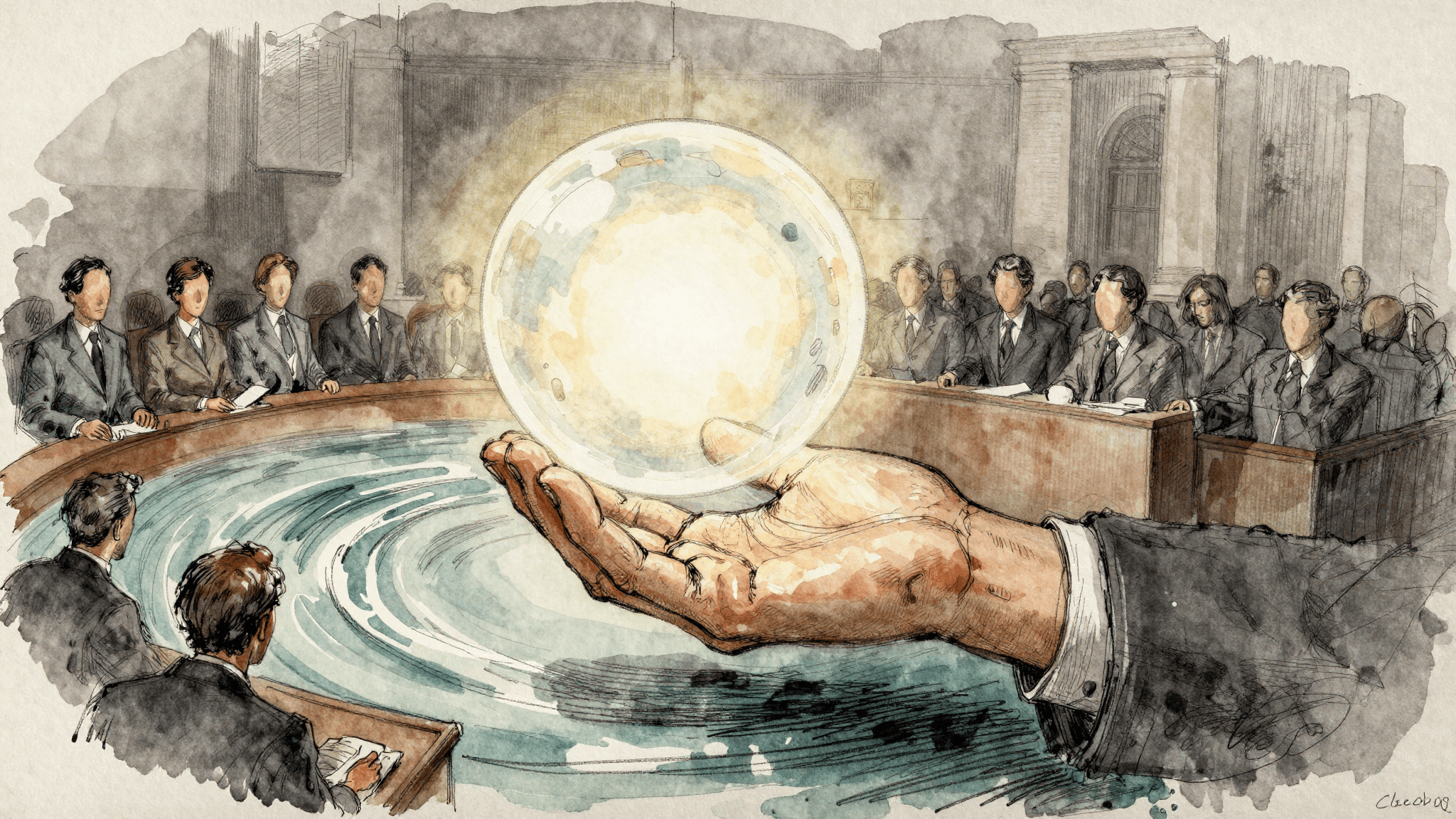
The South African Reserve Bank (SARB), South Africa's central bank based in Pretoria, held its policy rate at 7% on July 23, 2026, according to ANSA. The decision contradicted expectations for a second consecutive rate increase.
SARB Governor Lesetja Kganyago announced the decision following the Monetary Policy Committee's meeting.
The prime lending rate set by South African commercial banks remains at 10.5%.
Context
The previous rate increase, decided in May 2026, was the first in three years. It was against this backdrop that markets had anticipated another hike in July 2026.
Outlook and scenarios
SARB's base case scenario forecasts unchanged rates for the rest of 2026. However, Kganyago left open the possibility of a rate cut by year-end.
In a downside scenario, inflation would remain 'persistently above target,' necessitating another rate increase and an extended restrictive monetary policy stance.
Inflation figures
SARB estimates inflation will remain above 4% for the rest of 2026.
Excluding fuel, goods prices have remained relatively contained thanks to a rand described as 'resilient': stable against the dollar since the start of the year and stronger against the euro, which has helped keep import prices down.
Service prices—including insurance, transport, and housing—now exceed 3%, signaling more solid underlying inflationary pressures.
Policy rate (SARB)7
Prime lending rate (commercial banks)10.5
Risk factors
Kganyago expressed concerns about weakening business and consumer confidence, as well as declining commodity prices.
For the first time, SARB cited deficiencies in municipal service delivery as a factor constraining the country's economic growth.
Topics
Related articles

Latest articles
The illustrations in this article are generated by artificial intelligence.
Comments
No comments yet. Be the first to react.