…
Business
German inflation rises to 2.8% in July as energy prices surge
Herz — Business Desk · · 30s summary · 2 min read
The essentials
Germany’s annual inflation rate rose to 2.8% in July 2026 from 2.3% in June, according to a flash estimate published by the Federal Statistical Office on July 30. Energy was the main driver, with prices up 8.3% year on year after a fuel-tax discount expired and oil and gas costs increased. Brent crude rose by about 25% from the previous month, while European natural gas gained more than a third in recent weeks. Core inflation, excluding energy and food, nevertheless eased to 2.4%. Companies’ price expectations remained sensitive to developments in the Gulf.
- Annual inflation reached 2.8% in July, up from 2.3% in June.
- Energy prices increased by 8.3% year on year.
- A German fuel-tax discount expired at the end of June.
- Core inflation eased to 2.4% from 2.5% in May and June.
- Companies’ price expectations remain sensitive to regional tensions.
What the figures show
Germany’s annual inflation rate reached 2.8% in July 2026, Handelsblatt reported, citing a flash estimate published on July 30 by the Statistisches Bundesamt, Germany’s Federal Statistical Office.
Annual inflation measured by Germany’s national consumer price index stood at 2.3% in June. The harmonised index used for comparisons across Europe was 2.4%.
Energy was the main source of inflation in July, with prices rising by 8.3% from a year earlier.
Why energy prices rose
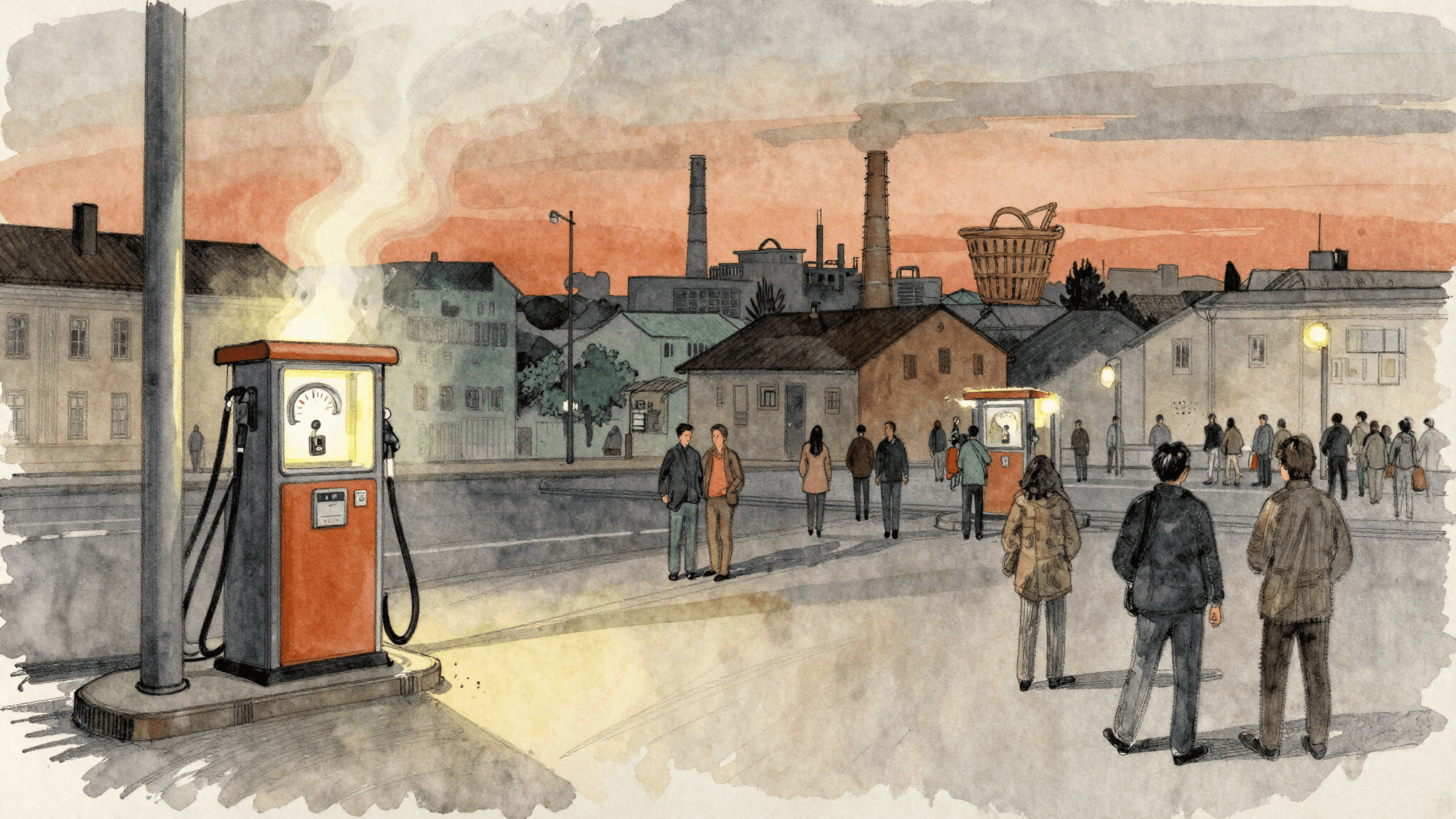
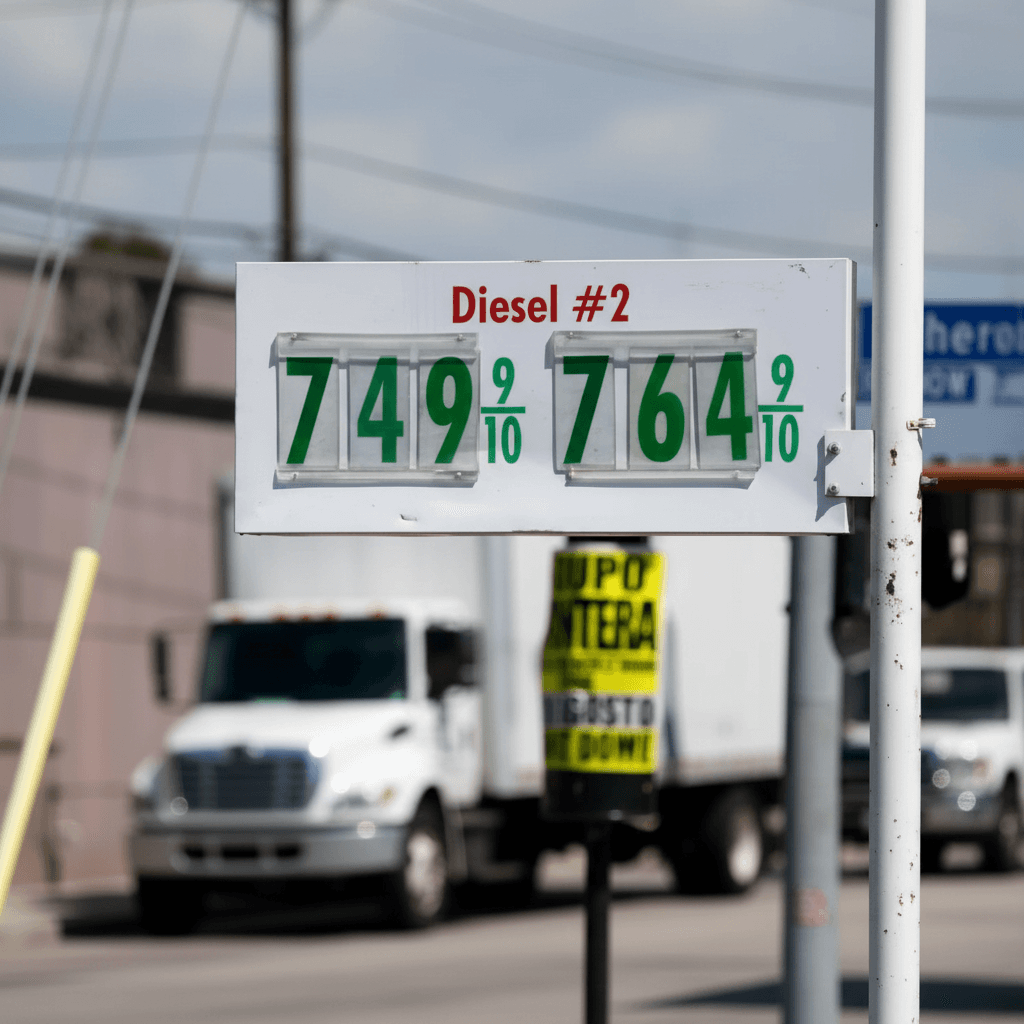
The German government reduced the energy tax on diesel and petrol in May and June. The temporary fuel discount, known in Germany as the Tankrabatt, expired as planned at the end of June, causing pump prices to rise markedly.
Middle East tensions linked to the war against Iran also supported energy prices. European Brent crude rose by about 25% from the previous month.
European natural gas prices increased by more than a third over the preceding weeks.
April 20262.9
June 20262.3
July 20262.8
Core inflation eases
Inflation excluding energy and food stood at 2.4% in July, down from 2.5% in both May and June.
National inflation had peaked at 2.9% in April, after the war against Iran began, before falling to 2.3% in June.
Companies’ price expectations
The ifo Institute’s July survey found that fewer German companies planned to raise their prices in the coming months.
Related articles

Latest articles
The illustrations in this article are generated by artificial intelligence.
Comments
No comments yet. Be the first to react.