…
Business
German inflation rises to 2.8% in July 2026
Herz — Business Desk · · 30s summary · 1 min read
The essentials
Germany’s annual inflation rate rose to 2.8% in July 2026, up from 2.3% in June under the national consumer price index. Germany’s Federal Statistical Office released the flash estimate on Thursday, July 30, 2026. Energy remains the main driver, although not all goods and services are becoming more expensive. Sonja Marten, chief economist at DZ Bank, says the inflationary wave remains intact. Many economists believe the increase calls for further action from the European Central Bank, but the available estimate does not specify what measures they expect.
- Annual inflation reached 2.8% in July 2026.
- The national inflation rate stood at 2.3% in June.
- Energy remains the main driver of inflation.
- Many economists are calling for further ECB action.
What we know
Germany’s annual inflation rate reached 2.8% in July 2026 compared with July 2025. Germany’s Federal Statistical Office published its flash estimate on Thursday, July 30, 2026, according to Handelsblatt.
In June 2026, inflation had fallen to 2.3% under Germany’s national consumer price index. The European Union-harmonised index stood at 2.4% that month.
June 20262.3
July 20262.8
What is driving the increase
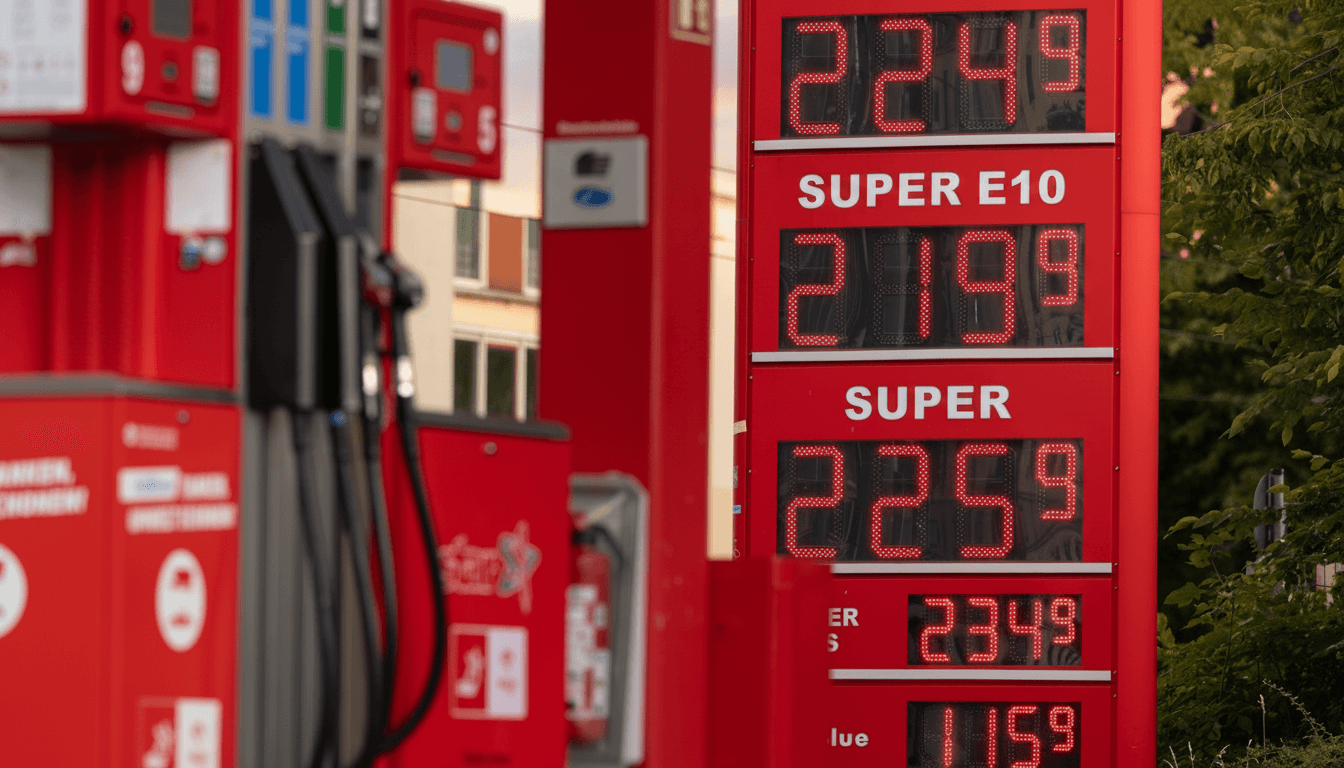
Energy remains the main driver of German inflation. However, not all goods and services are becoming more expensive, and companies’ pricing policies offer some grounds for optimism.
Economists’ response
Sonja Marten, chief economist at DZ Bank, says the inflationary wave remains intact. Following the latest increase, she expects further bad news for consumers.
Many economists believe the renewed rise in German inflation calls for further action from the European Central Bank.
What remains unclear
The available estimate does not specify what additional measures economists expect from the European Central Bank.
Topics
Related articles



Latest articles
The illustrations in this article are generated by artificial intelligence.
Comments
No comments yet. Be the first to react.