…
World
Strait of Hormuz: Trump Restores U.S. Blockade and Resumes Strikes Against Iran
Herz — World Desk · · 30s summary · 4 min read
The essentials
On July 14, 2026, Donald Trump announced the restoration of the U.S. blockade in the Strait of Hormuz and unilateral taxation of third-party vessels transiting this strategic corridor. Simultaneously, the U.S. military resumed strikes against Iran. These measures followed a weekend of cross-strikes: Iranian missiles hit two UAE oil tankers in Omani territorial waters, killing an Indian sailor and wounding eight others. The United Arab Emirates condemned the attack as a grave violation of international law and reserved the right to respond.
- Trump Restores Hormuz Blockade and Taxes Third-Party Vessel Transit
- U.S. Military Resumes Strikes Against Iran on July 14, 2026
- Iranian Missiles Hit Two UAE Tankers: 1 Dead, 8 Wounded
- Fires on Both Ships Controlled, UAE Defense Ministry Reports
- UAE Condemns Grave International Law Violation, Reserves Right to Respond
What We Know
On July 14, 2026, Donald Trump announced the restoration of the U.S. blockade in the Strait of Hormuz — an international maritime passage linking the Persian Gulf to the Gulf of Oman — and the unilateral taxation of third-party vessels wishing to transit it, according to ABC Australia. The U.S. military simultaneously resumed strikes against Iran.
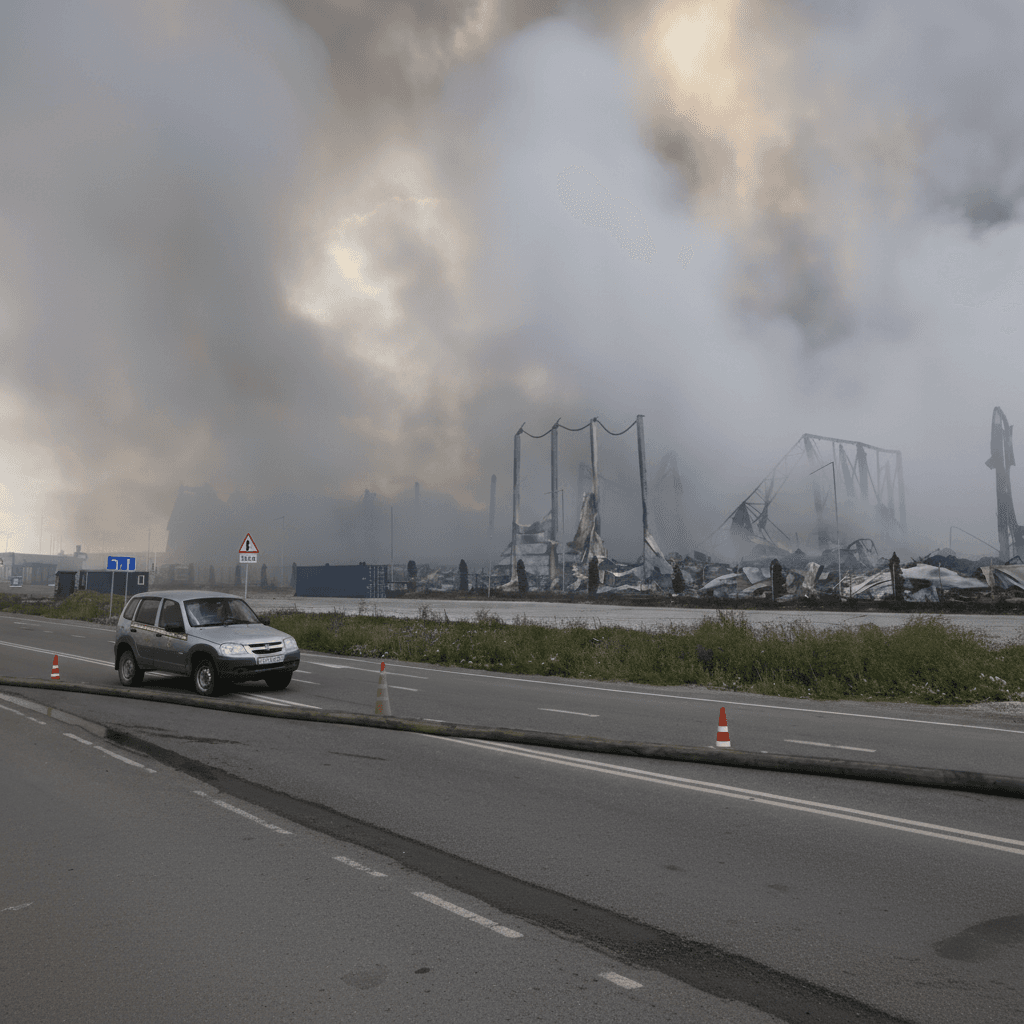
These announcements followed a weekend of cross-strikes between Washington and Tehran. Iranian missiles struck two oil tankers belonging to the United Arab Emirates in the southern part of the strait, while these vessels were navigating in Omani territorial waters — a maritime zone over which Oman exercises sovereignty up to 12 nautical miles from its coast.
The attack killed an Indian crew member and wounded eight others. Fires broke out on both vessels but were brought under control, according to the UAE's Defense Ministry.
The UAE's Defense Ministry condemned the attack as a grave violation of international law. It stated that the UAE reserved the full right to respond and take all necessary measures to protect its sovereignty and security.
~21 million barrels/day
Volume of crude oil and condensates transiting the Strait of Hormuz daily
1 dead, 8 wounded
Human toll from Iranian missiles striking the two UAE tankers
Background
The Strait of Hormuz is the mandatory passage for nearly all oil and gas exports from Persian Gulf states — Saudi Arabia, the United Arab Emirates, Kuwait, Iraq, Iran, and Qatar. According to the U.S. Energy Information Administration (EIA), approximately 21 million barrels of crude oil and condensates transit through it daily, representing a significant share of global consumption.
Under international law, the United Nations Convention on the Law of the Sea (UNCLOS, 1982) guarantees the right of transit passage through straits used for international navigation, in Articles 37-44. Unilateral taxation of third-party vessels by the United States represents a practice with no clear precedent in contemporary international law.
The 2026 crisis is part of a long history of tensions in the strait. During the Tanker War (1984-1988), in the course of the Iran-Iraq conflict, both belligerents attacked hundreds of merchant vessels in the Persian Gulf, prompting the United States to launch Operation Earnest Will to escort tankers in 1987.
Timeline
Related articles


Latest articles



Comments
No comments yet. Be the first to react.