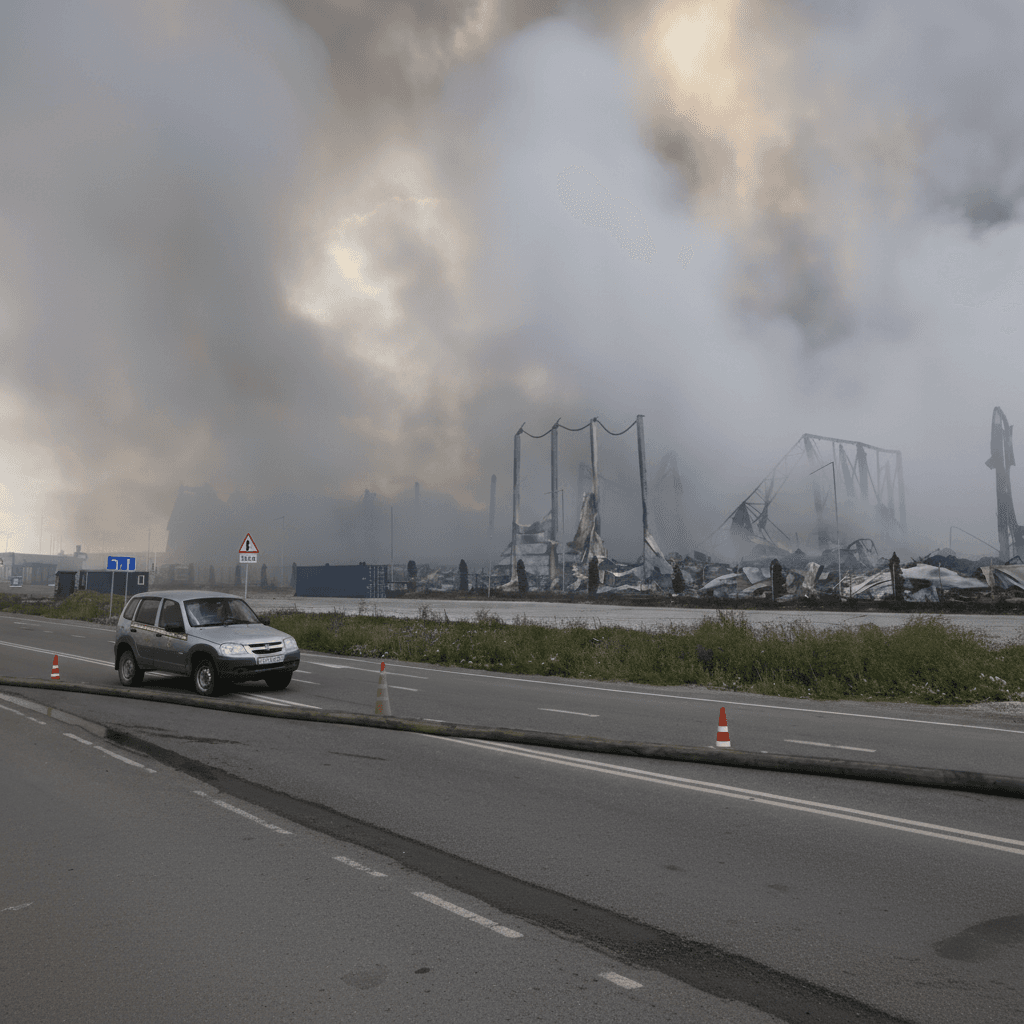
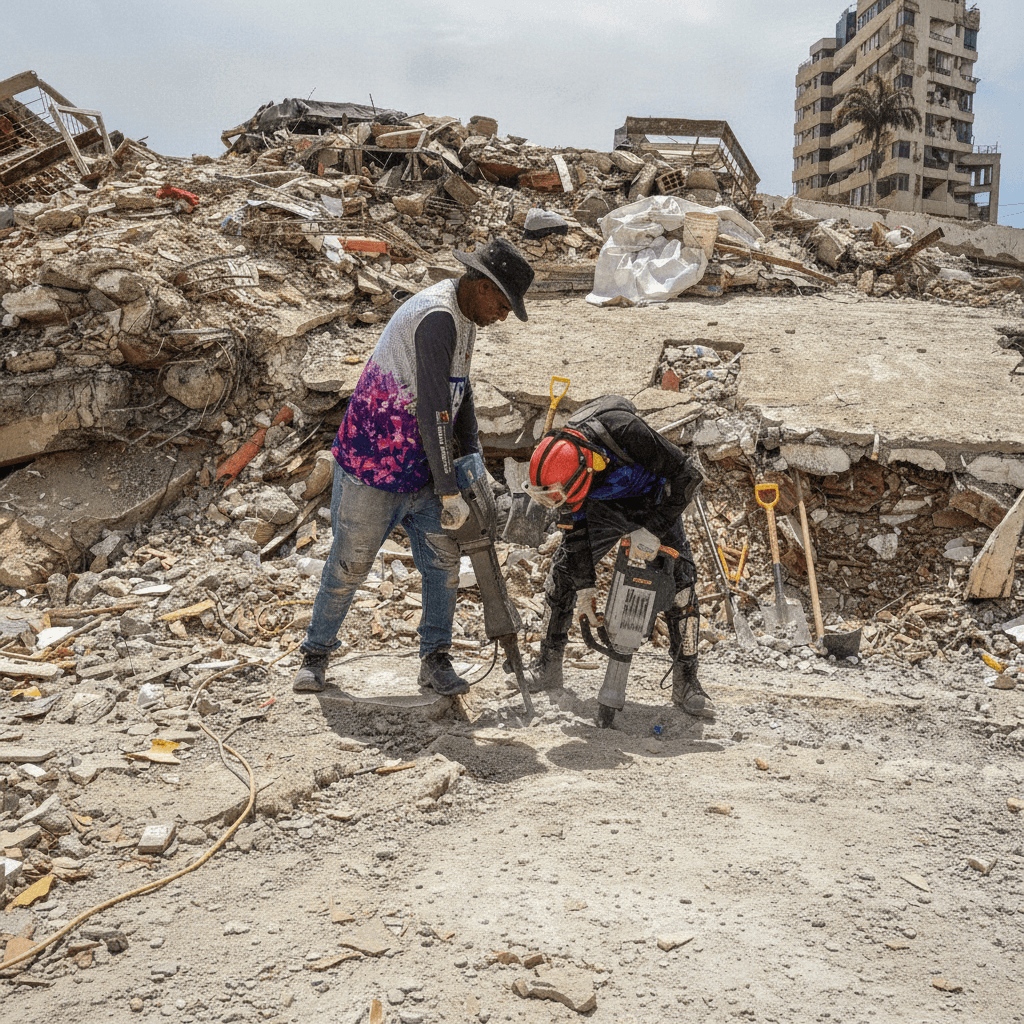
…
World
Ebola in DRC: WHO estimates outbreak is 2–4 times larger than official count
Herz — World Desk · · 30s summary · 3 min read
The essentials
On July 14, 2026, the WHO estimates that the true number of Ebola cases in the Democratic Republic of Congo is two to four times higher than the official figure of 1,926 cases. The epidemic, declared two months ago in Ituri, has caused 702 deaths and has spread to four additional provinces as well as Uganda. The WHO ranks it the third most severe Ebola outbreak on record and the fastest spreading in a single month. Many patients die in their communities without ever reaching a health facility, a sign the WHO considers alarming.
- WHO estimates Ebola outbreak in DRC is 2–4 times larger than the 1,926 officially confirmed cases
- 702 deaths recorded since the epidemic was declared two months ago in Ituri
- Third largest Ebola outbreak in history, fastest spreading outbreak recorded within a single month
- Outbreak has spread to 4 additional Congolese provinces and 20 cross-border cases reported in Uganda
- Clinical trial of preventive antiviral (obeldesivir) planned for exposed contacts
What we know
On July 14, 2026, according to France 24, Chikwe Ihekweazu, director of WHO's emergency response program, estimated that the true scale of the Ebola outbreak in the Democratic Republic of Congo is at least two to four times the number of officially recorded cases. Case detection is nonetheless progressing daily.
The official count from the Congolese government records 1,926 infected people and 702 deaths since the start of the epidemic.
The epidemic was declared two months ago in Ituri, a province in northeastern DRC bordering South Sudan and Uganda. It has since spread to North Kivu, South Kivu, Tshopo, and Haut-Uélé. Twenty cases have also been recorded in Uganda.
The WHO considers it alarming that many new cases involve people who died in their communities without ever reaching a health facility or receiving care.
Key numbers
1,926
Officially confirmed cases as of July 14, 2026
702
Official deaths since the start of the epidemic
2–4 times
Gap estimated by WHO between real and official cases
>90%
Share of cases detected in Ituri
20
Cross-border cases recorded in Uganda
Official cases1926
Minimum estimate (×2)3852
Related articles



Latest articles


Comments
No comments yet. Be the first to react.